Whether you’re an athlete training for your next event, an office professional spending hours at a desk, or someone simply looking to move more comfortably, maintaining healthy muscles and joints is essential.
Many people assume that stretching alone is enough to improve flexibility or that massage therapy is only for relaxation. In reality, these two therapies complement one another in ways that can significantly improve mobility, reduce pain, and help prevent future injuries.
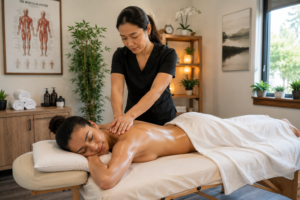
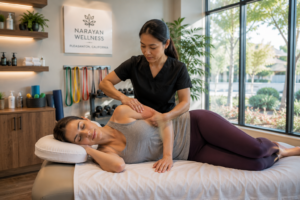
Stretch therapy focuses on improving joint range of motion and muscle flexibility through guided, intentional movements. Massage therapy, on the other hand, works directly with muscles, fascia, and connective tissue to reduce tension, improve circulation, and encourage recovery.
When combined, these therapies address both the quality of the soft tissues and the movement patterns of the body. Rather than simply relieving symptoms temporarily, they work together to create lasting improvements in how your body functions.
This article explores why combining stretch therapy and massage often delivers better outcomes than using either approach alone, how the combination supports long-term wellness, and who can benefit most from an integrated treatment plan.
Understanding the Difference Between Stretch Therapy and Massage
Although they often work toward similar goals, stretch therapy and massage each target different aspects of musculoskeletal health.
What Is Stretch Therapy?
Stretch therapy involves guided movements designed to improve flexibility, joint mobility, posture, and overall movement efficiency. Depending on your needs, stretching may include:
- Passive stretching
- Assisted stretching
- Active stretching
- Dynamic mobility exercises
- Neuromuscular stretching techniques
The primary goal is to safely increase the length and adaptability of muscles while helping joints move through their full range of motion.
What Is Massage Therapy?
Massage therapy focuses on the body’s soft tissues by applying specialized manual techniques to:
- Release muscle tension
- Improve circulation
- Reduce pain
- Enhance recovery
- Improve tissue quality
- Encourage relaxation
Different massage techniques, including deep tissue massage, myofascial release, Swedish massage, trigger point therapy, and sports massage, can all prepare muscles for more effective stretching.
Rather than competing with one another, stretch therapy and massage each address different pieces of the same puzzle.
Why Combining Both Treatments Produces Better Results
Think of your muscles like a thick rubber band.
If the rubber band has become stiff, dry, and twisted, simply pulling harder won’t restore its elasticity. Likewise, stretching muscles that remain full of knots, adhesions, and tension often provides only temporary improvement.
Massage changes the condition of the tissue before stretching begins.
When massage helps decrease muscle guarding and improves blood flow, stretching becomes:
- More comfortable
- More effective
- Safer
- Longer lasting
Instead of forcing flexibility, your body gradually accepts greater movement with less resistance.
This combination also helps retrain the nervous system. Muscles don’t become tight solely because of their physical structure, they often tighten as a protective response. Massage can calm this protective response, allowing stretching to produce more meaningful gains.
How Tight Muscles Limit Mobility
Many people believe their muscles are simply “short.”
In many cases, that’s only part of the story.
Muscle tightness often develops because of:
- Prolonged sitting
- Repetitive movement
- Poor posture
- Previous injuries
- Stress
- Limited physical activity
- Overtraining
Over time, these factors influence both muscles and fascia, the connective tissue that surrounds and supports them.
As tissues become less mobile, movement becomes increasingly restricted.
Common signs include:
- Difficulty bending forward
- Limited shoulder movement
- Tight hips
- Neck stiffness
- Reduced athletic performance
- Lower back discomfort
- Feeling stiff after sitting
Massage helps improve tissue mobility, while stretch therapy reinforces healthier movement patterns that support lasting flexibility.
The Science Behind Massage and Stretching
Research continues to demonstrate that mobility depends on much more than muscle length alone.
Healthy movement is influenced by:
- Muscle elasticity
- Fascial mobility
- Nervous system regulation
- Joint mechanics
- Hydration
- Blood circulation
Massage therapy contributes by increasing local circulation and reducing muscle tone in areas of excessive tension. As tissues become more pliable, assisted stretching can be performed with greater comfort and effectiveness.
Stretch therapy then reinforces these improvements by encouraging muscles and connective tissues to adapt gradually to increased ranges of motion.
Instead of repeatedly treating the same tight muscles, this combined approach helps create more sustainable changes in movement quality.
Conditions That Benefit from Both Therapies
Many common musculoskeletal complaints respond well to a combined approach.
Neck and Shoulder Tension
Desk work, prolonged computer use, and daily stress frequently contribute to tight muscles around the neck and shoulders.
Massage helps reduce muscle guarding while assisted stretching restores normal movement patterns, often making everyday activities more comfortable.
Lower Back Tightness
The lower back rarely works in isolation.
Restricted hips, tight hamstrings, and stiff gluteal muscles often contribute to discomfort.
Massage can release tension in these surrounding muscle groups, while stretch therapy improves flexibility and movement throughout the entire kinetic chain.
Athletic Recovery
Athletes place repetitive stress on muscles throughout training.
Combining massage with stretch therapy may help:
- Improve recovery
- Maintain flexibility
- Reduce muscle soreness
- Support efficient movement
- Lower injury risk during training
Instead of focusing solely on recovery after intense exercise, regular treatment may help maintain consistent performance throughout a training season.
Postural Imbalances
Poor posture develops gradually through repeated habits rather than a single event.
Individuals who spend extended periods sitting may develop:
- Rounded shoulders
- Tight chest muscles
- Hip flexor tightness
- Reduced spinal mobility
Massage reduces accumulated muscular tension while stretch therapy encourages healthier alignment and movement patterns that support improved posture over time.
Who Can Benefit from Stretch Therapy and Massage?
One of the greatest strengths of combining these therapies is their versatility.
Many individuals may benefit, including:
Office Professionals
Long hours at a computer often contribute to:
- Neck pain
- Shoulder tension
- Hip stiffness
- Reduced mobility
- Lower back discomfort
Regular treatment can help offset the physical demands of sedentary work.
Active Adults
Whether you enjoy hiking, cycling, recreational sports, or strength training, maintaining healthy movement patterns can support both performance and recovery.
Rather than waiting until discomfort develops, proactive care may help keep muscles functioning efficiently throughout your activities.
Older Adults
Maintaining mobility becomes increasingly important with age.
Improving flexibility, joint motion, and soft tissue health may help support balance, independence, and confidence in daily movement while making everyday tasks feel easier.
Individuals Recovering from Minor Musculoskeletal Strain
When appropriate and guided by qualified healthcare professionals, massage and stretching may complement recovery from certain non-acute muscular conditions by improving mobility and reducing muscle tension.
Treatment plans should always be individualized based on each person’s health history and goals.
Building a Long-Term Mobility Routine
Many people only think about flexibility after pain or stiffness begins interfering with daily life. While occasional stretching or a massage after an especially demanding week can certainly help, long-term mobility is best achieved through consistency rather than sporadic treatment.
A sustainable mobility routine doesn’t have to be complicated. The goal is to keep muscles, connective tissue, and joints moving well so your body can adapt to the demands of work, exercise, hobbies, and everyday activities.
An effective routine often includes:
- Regular massage therapy to address muscle tension and improve tissue quality.
- Assisted or guided stretching to increase flexibility and joint mobility.
- Light daily movement, such as walking or mobility exercises.
- Strength training to support joint stability.
- Adequate hydration, sleep, and recovery.
These elements work together. Massage helps prepare the body for movement, stretching reinforces healthy movement patterns, and strength training teaches the body to maintain those improvements during everyday activities.
For many people, improvements become noticeable not only in flexibility but also in posture, comfort during exercise, and the ease of routine movements such as bending, reaching, or climbing stairs.
Why Timing Matters
One question therapists often hear is whether stretching should come before or after a massage.
The answer depends on the individual’s goals, but massage frequently serves as an excellent preparation for stretching.
When muscles are overly tense, the nervous system may resist attempts to lengthen them. Massage helps reduce this protective muscle guarding, allowing stretches to feel more comfortable and productive.
Stretching afterward helps reinforce the new range of motion while encouraging the muscles and surrounding connective tissue to adapt over time.
This combination can also reduce the likelihood of returning quickly to previous movement restrictions.
Final Thoughts
Healthy movement is about much more than touching your toes or relieving soreness after a workout. It reflects how well your muscles, joints, connective tissues, and nervous system work together throughout everyday life.
Massage therapy and stretch therapy each provide valuable benefits on their own, but when combined thoughtfully, they can create a more comprehensive approach to improving mobility, reducing muscle tension, supporting recovery, and helping you move with greater ease.
Whether your goal is to stay active, enhance athletic performance, improve posture, or simply feel more comfortable throughout the day, addressing both tissue health and movement quality can make a meaningful difference.
For individuals in the Pleasanton community seeking a personalized approach to pain relief and mobility, combining therapeutic massage with guided stretching may be an effective way to support long-term wellness and maintain an active lifestyle.
FAQs
Is stretch therapy the same as massage therapy?
No. Massage therapy focuses on muscles and soft tissues through manual techniques, while stretch therapy emphasizes improving flexibility and joint mobility through guided movement. Together, they often complement one another.
How often should I combine massage and stretching?
The ideal schedule depends on your activity level, health history, and personal goals. Some individuals benefit from monthly sessions, while athletes or people managing ongoing muscle tension may benefit from more frequent care. A licensed massage therapist can recommend a plan tailored to your needs.
Does massage improve flexibility?
Massage may help improve flexibility by reducing muscle tension and improving tissue mobility. When combined with regular stretching, these improvements may become more noticeable and longer lasting.
Can massage and stretching help prevent injuries?
Healthy movement patterns, adequate flexibility, and proper recovery may contribute to lowering the risk of certain overuse injuries. While no treatment can guarantee injury prevention, combining massage with stretching may support overall musculoskeletal health.