Inflammation is one of the body’s most important protective mechanisms. Without it, cuts wouldn’t heal, infections would spread more easily, and damaged tissues couldn’t repair themselves. Yet when inflammation lingers long after its job is finished, it can quietly contribute to pain, fatigue, stiffness, reduced mobility, and a wide range of chronic health concerns.
Today, millions of Americans are searching for natural ways to reduce inflammation without relying solely on medications. While healthy nutrition, regular exercise, restorative sleep, and stress management all play important roles, massage therapy has also become an increasingly popular complementary approach for supporting recovery and overall wellness.
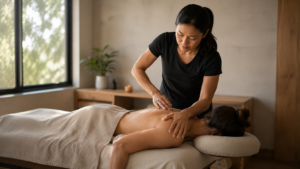
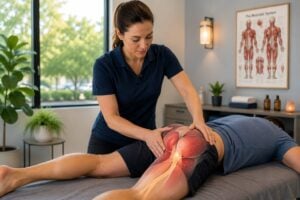
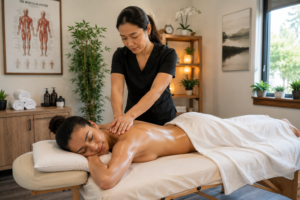
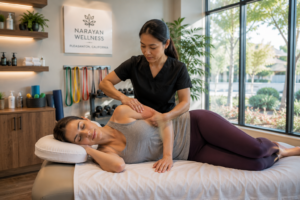
At Narayan Wellness Inc. in Pleasanton, California, massage therapy is viewed as more than a way to relax, it is a personalized therapeutic tool that can help improve circulation, decrease muscle tension, support recovery from physical stress, and encourage the body’s natural healing processes.
Let’s explore how inflammation works, how massage therapy may influence it, and why therapeutic bodywork can become an important part of a long-term wellness plan.
Understanding Inflammation
Inflammation is your immune system’s natural response to injury, infection, toxins, or tissue damage.
When your body detects a threat, it releases immune cells and chemical messengers that:
- Increase blood flow
- Deliver nutrients
- Remove damaged tissue
- Fight bacteria or viruses
- Begin tissue repair
This process is essential for healing.
Problems develop when inflammation never fully switches off.
Instead of helping you recover, chronic inflammation may begin damaging healthy tissues and contribute to ongoing discomfort.
Common signs include:
- Persistent muscle soreness
- Joint stiffness
- Swelling
- Fatigue
- Brain fog
- Reduced flexibility
- Slow recovery after exercise
- Frequent aches and pains
Because chronic inflammation often develops gradually, many people don’t recognize its effects until symptoms begin interfering with daily life.
Acute vs. Chronic Inflammation
Understanding the difference helps explain why lifestyle choices, including massage therapy, may matter.
Acute Inflammation
Acute inflammation is short-term.
Examples include:
- A sprained ankle
- Muscle strain
- Minor surgery
- Small cuts
- Intense workout recovery
The body increases circulation to the injured area, repairs damaged tissue, and then inflammation naturally decreases.
This is healthy.
Chronic Inflammation
Chronic inflammation may persist for weeks, months, or even years.
It may be influenced by:
- Chronic stress
- Poor sleep
- Sedentary lifestyles
- Repetitive movement
- Excess muscle tension
- Poor circulation
- Certain medical conditions
- Obesity
- Smoking
- Long-term emotional stress
Although massage therapy is not a cure for inflammatory diseases, it may help address several lifestyle factors that contribute to ongoing inflammation.
How Massage Therapy May Help Reduce Inflammation
Researchers continue studying how therapeutic massage affects the body. While massage should never replace medical treatment for serious inflammatory conditions, growing evidence suggests it may support recovery through several beneficial mechanisms.
1. Improving Circulation
Healthy circulation delivers oxygen and nutrients to tissues while helping remove metabolic waste.
Massage encourages blood flow throughout muscles and soft tissues.
Better circulation may support:
- Tissue repair
- Recovery after exercise
- Reduced muscle soreness
- Improved mobility
This improved movement of fluids helps create an environment that supports healing.
2. Encouraging Lymphatic Flow
The lymphatic system helps transport immune cells and remove excess fluid from tissues.
Unlike the heart, the lymphatic system relies heavily on muscle movement and manual stimulation.
Certain massage techniques may encourage healthy lymphatic movement, helping reduce temporary swelling and supporting normal immune function.
This is one reason therapeutic massage is often included as part of comprehensive recovery programs.
3. Reducing Muscle Tension
Chronically tight muscles can create localized discomfort, decrease flexibility, and place additional stress on surrounding joints.
Massage helps:
- Relax shortened muscles
- Improve tissue mobility
- Restore normal movement
- Reduce protective muscle guarding
When muscles function more efficiently, the body often expends less energy compensating for pain and stiffness.
4. Supporting Nervous System Balance
Chronic stress is closely connected to inflammation.
When the body remains in “fight-or-flight” mode, stress hormones may remain elevated.
Massage encourages activation of the parasympathetic nervous system, often called the “rest and digest” state.
Many clients report:
- Feeling calmer
- Sleeping better
- Breathing more deeply
- Experiencing less muscle guarding
Over time, better nervous system regulation may contribute to improved overall wellness.
5. Promoting Better Sleep
Sleep is one of the body’s most powerful healing tools.
During deep sleep, important repair processes occur throughout the body.
Poor sleep has been associated with increased inflammatory activity.
Massage may help improve sleep quality by reducing physical discomfort and promoting relaxation, making recovery more efficient.
The Connection Between Stress, Inflammation, and Recovery
Modern life exposes many people to nearly constant stress.
Deadlines.
Traffic.
Financial concerns.
Family responsibilities.
Technology.
These ongoing stressors don’t just affect mental health, they can also influence physical health.
When stress hormones remain elevated for long periods, people often experience:
- Tight shoulders
- Neck pain
- Headaches
- Jaw tension
- Digestive changes
- Fatigue
- Poor sleep
Massage provides an opportunity for the body to shift into a restorative state.
This doesn’t eliminate life’s stressors, but it may help reduce the physical burden they place on the body.
Massage Techniques That Support Whole-Body Wellness
Different massage styles serve different purposes.
A personalized treatment plan often produces the best results.
Swedish Massage
Ideal for:
- General relaxation
- Mild muscle tension
- Stress reduction
- Improved circulation
This gentle approach is appropriate for many first-time massage clients.
Deep Tissue Massage
Designed for:
- Chronic muscle tightness
- Restricted movement
- Adhesions
- Long-standing muscular discomfort
Pressure is gradually applied to deeper muscle layers to address persistent tension.
Myofascial Release
Fascia surrounds every muscle throughout the body.
Restrictions within this connective tissue may contribute to stiffness and limited mobility.
Myofascial techniques focus on improving tissue glide and restoring movement.
Trigger Point Therapy
Some muscle knots create pain far away from their source.
Trigger point therapy targets these areas to reduce referred pain and improve muscle function.
Manual Lymphatic Techniques
These gentle techniques are intended to encourage healthy lymphatic movement when appropriate and recommended.
They are commonly incorporated into recovery plans after certain medical procedures or episodes of swelling.
Conditions That May Benefit from Massage Therapy
Massage therapy is not intended to diagnose or cure disease.
However, many individuals incorporate therapeutic massage into their overall wellness plans for support with:
- Chronic muscle tension
- Exercise recovery
- Neck discomfort
- Shoulder tightness
- Low back discomfort
- Stress-related muscle pain
- Repetitive strain
- Postural dysfunction
- General stiffness
- Limited mobility
Each person responds differently, which is why individualized treatment is important.
Lifestyle Habits That Complement Massage
Massage works best when combined with healthy daily habits.
Stay Hydrated
Water supports circulation and normal cellular function.
Adequate hydration also helps muscles recover more efficiently.
Eat an Anti-Inflammatory Diet
Focus on foods such as:
- Colorful vegetables
- Fruits
- Fatty fish
- Olive oil
- Nuts
- Seeds
- Whole grains
Limiting highly processed foods and excess sugar may also support overall wellness.
Move Regularly
Movement encourages circulation and helps prevent muscles from becoming stiff.
Walking, stretching, yoga, and strength training all contribute to healthy tissue function.
Prioritize Sleep
Aim for consistent, high-quality sleep whenever possible.
Recovery occurs around the clock and not only during massage sessions.
Manage Stress
Meditation, breathing exercises, journaling, spending time outdoors, and massage therapy can all become valuable parts of a comprehensive stress-management routine.
When Massage Isn’t Appropriate
Although massage is generally safe for many individuals, there are situations where treatment should be postponed or modified.
These may include:
- Fever
- Contagious illness
- Open wounds
- Certain skin infections
- Active blood clots
- Severe uncontrolled medical conditions
People with chronic diseases, recent surgeries, or complex medical histories should consult their healthcare provider before beginning massage therapy.
An experienced therapist will also perform an appropriate health intake before treatment.
Why Consistency Matters
Many people seek massage only after pain becomes severe.
While occasional sessions can certainly provide relief, consistent care often produces better long-term outcomes.
Regular massage may help:
- Maintain mobility
- Reduce recurring muscle tension
- Improve body awareness
- Encourage healthier movement patterns
- Support stress management
- Enhance recovery after physical activity
Think of massage like regular exercise.
One workout helps.
A consistent routine often produces lasting change.
Choosing a Massage Therapist in Pleasanton
Finding the right therapist involves more than choosing the closest location.
Look for a provider who:
- Performs a thorough health assessment
- Understands your goals
- Creates individualized treatment plans
- Explains recommended techniques
- Communicates clearly
- Adjusts pressure to your comfort level
- Encourages collaboration with other healthcare providers when appropriate
At Narayan Wellness Inc., every treatment is tailored to the individual’s needs, health history, and wellness goals. Whether you’re recovering from physical strain, managing everyday stress, or seeking to improve mobility, a personalized approach helps ensure each session supports your overall health journey.
Final Thoughts
Inflammation is a necessary part of healing, but when it becomes chronic, it can affect nearly every aspect of daily life, from movement and energy levels to sleep and overall well-being.
Massage therapy offers a holistic, evidence-informed approach that may complement other healthy lifestyle practices by promoting circulation, easing muscle tension, encouraging relaxation, and supporting the body’s natural recovery processes.
While massage is not a substitute for medical care, it can be an important component of a comprehensive wellness strategy. Combined with nutritious eating, regular physical activity, quality sleep, and effective stress management, therapeutic massage may help you move more comfortably, recover more efficiently, and feel your best over the long term.
If you’re looking for personalized massage therapy in Pleasanton, working with an experienced therapist who understands your unique goals can help you develop a plan that supports both immediate relief and lasting wellness.
FAQs
Can massage therapy reduce inflammation?
Massage therapy may help support the body’s natural recovery processes by improving circulation, reducing muscle tension, promoting relaxation, and encouraging healthy movement. It should be viewed as a complementary therapy rather than a replacement for medical treatment.
How often should I receive massage therapy?
The ideal frequency depends on your goals, health status, activity level, and lifestyle. Some people benefit from monthly maintenance, while others recovering from injury or experiencing chronic muscle tension may initially benefit from more frequent sessions.
Is massage safe for people with inflammatory conditions?
Many people with inflammatory conditions can safely receive massage, but treatment should always be individualized. Consult your healthcare provider if you have a chronic medical condition, and inform your massage therapist about your medical history.
Which massage is best for inflammation?
There is no single “best” technique. Swedish massage, deep tissue massage, myofascial release, and lymphatic techniques may all play a role depending on the individual’s needs and overall health.
Does massage improve immune function?
Research suggests massage may positively influence certain physiological processes related to stress and recovery. However, massage should not be considered a treatment for immune disorders or infectious diseases.