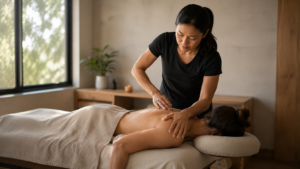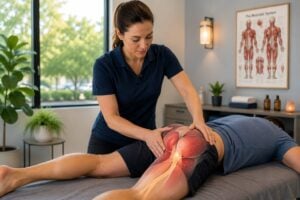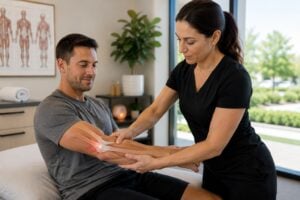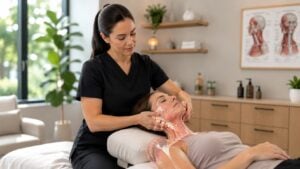
Chronic pain can be a mystery, a puzzle of aches that don’t always respond to rest, ice packs, or over-the-counter painkillers. For many, these lingering discomforts trace back to deeply embedded knots in muscles, known as trigger points, that radiate pain to seemingly unrelated areas. This is where Neuromuscular Therapy (NMT) shines: it targets the root of the problem with the precision of a laser.
Neuromuscular therapy is not a fluffy spa treatment. It’s a clinical approach that can provide relief for chronic pain sufferers, athletes, office workers, and anyone plagued by persistent tension. In this article, we’ll explore what makes NMT so powerful and why it’s gaining traction in wellness communities, especially here in Pleasanton.
What Is Neuromuscular Therapy?
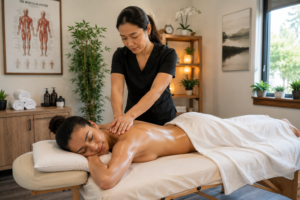
Neuromuscular Therapy (NMT) is a specialized form of manual therapy that uses targeted pressure and friction to release trigger points such as tight, irritable spots in skeletal muscle that cause pain and dysfunction. The goal of NMT is to restore balance between the nervous system and the muscular system by:
- Reducing pain
- Improving blood circulation
- Enhancing range of motion
- Correcting postural imbalances
NMT practitioners undergo advanced training to assess and treat soft tissue dysfunctions, often collaborating with chiropractors, physical therapists, and other integrative healthcare providers.
Understanding Trigger Points and Muscle Knots
Trigger points are hyperirritable spots located in taut bands of muscle fibers. They can be “active,” causing pain even at rest, or “latent,” only painful when pressed. These knots often develop from:
- Repetitive movements
- Poor posture
- Stress and tension
- Muscle overuse or trauma
What makes trigger points tricky is their ability to refer pain to distant parts of the body. For example, a trigger point in your upper back could cause a tension headache. Neuromuscular therapy addresses these elusive pain patterns with accuracy.
How Neuromuscular Therapy Works
NMT involves a thorough assessment and hands-on treatment plan. Here’s what happens during a typical session:
- Assessment: The therapist evaluates posture, gait, range of motion, and muscular imbalances.
- Palpation: Skilled touch is used to locate trigger points and tension zones.
- Application of Pressure: Direct pressure and friction are applied to deactivate the trigger points.
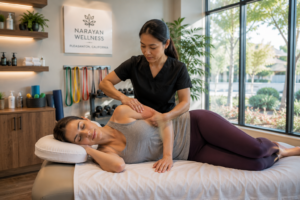
- Stretching and Re-education: Muscles are stretched and guided back to optimal function.
Treatment may involve multiple sessions, especially for long-standing or complex pain issues.
Neuromuscular Therapy vs. Other Massage Techniques
How does NMT differ from Swedish, deep tissue, or sports massage? Let’s compare:
| Technique | Focus Area | Intensity | Goal |
|---|---|---|---|
| Swedish Massage | General relaxation | Light | Reduce stress, increase circulation |
| Deep Tissue Massage | Muscle layers and connective tissue | Medium-Deep | Relieve deep-seated tension |
| Sports Massage | Muscles used in athletic activity | Variable | Enhance performance, prevent injury |
| Neuromuscular Therapy | Trigger points and pain patterns | Deep & precise | Eliminate pain at its source |
Common Conditions Treated with Neuromuscular Therapy
- Chronic neck and back pain
- Sciatica
- Carpal tunnel syndrome
- TMJ disorders
- Headaches and migraines
- Frozen shoulder
- Plantar fasciitis
Because it targets the neuromuscular system holistically, it’s also helpful for those experiencing unexplained pain or dysfunction.
What to Expect During a Session
At Narayan Wellness in Pleasanton, a neuromuscular therapy session typically begins with a detailed consultation. Here’s what clients can expect:
- A review of your medical and pain history
- Postural and mobility assessments
- Targeted hands-on therapy with sustained pressure
- A blend of stretching and breathwork
Clients often describe the experience as intense but relieving. You may feel soreness afterward, similar to post-workout fatigue, but most report reduced pain within a day or two.
The Science Behind the Relief: How NMT Affects the Body
Neuromuscular therapy works by influencing both the nervous system and the musculoskeletal system. Trigger points interrupt normal nerve signals, causing pain and dysfunction. NMT helps by:
- Stimulating local blood flow
- Reducing inflammation
- Interrupting pain signals to the brain
- Resetting muscle memory and neural pathways
By retraining how muscles and nerves communicate, NMT creates long-term relief, not just temporary relaxation.
Personalized Treatment Plans and Holistic Integration
No two bodies are alike. That’s why neuromuscular therapy works best when personalized. At Narayan Wellness, sessions are integrated into a larger wellness strategy, often incorporating:
- Nutrition coaching
- Lifestyle adjustments for posture and ergonomics
- Breathwork and mindfulness
- Collaboration with physical therapists or chiropractors
This holistic approach ensures the root cause is addressed and not just the symptoms.
Why Choose Neuromuscular Therapy in Pleasanton?
Pleasanton is home to a health-conscious community that values proactive, integrative care. At Narayan Wellness, we specialize in neuromuscular therapy as part of our mission to empower clients to live pain-free, balanced lives.
Choosing a local provider means more than convenience. It means having a partner in your long-term wellness journey. Our therapists are deeply trained, community-focused, and committed to evidence-based healing.
Integrating NMT with Chiropractic Care
Chiropractors and NMT therapists often collaborate to realign the spine and reduce muscular compensation. While chiropractic care targets structural alignment, NMT ensures that muscle memory doesn’t pull the body back out of alignment.
At Narayan Wellness, clients benefit from this synergy through dual-care programs that accelerate healing, reduce nerve impingements, and support longer-lasting results.
NMT for Desk Workers and Tech-Related Strain
Tech professionals in Pleasanton often experience tech neck, wrist pain, and lower back fatigue. Neuromuscular therapy helps by relieving repetitive strain patterns from long hours of sitting and poor ergonomics.
Tech-related tension often manifests as trigger points in the trapezius, levator scapulae, and forearm muscles. Addressing these zones through NMT improves focus, posture, and workday comfort.
Pediatric and Adolescent Applications of NMT
Though less common, NMT is effective for treating muscle imbalances and postural issues in children and teens. Young athletes, in particular, benefit from early intervention to prevent injuries and support healthy growth.
At Narayan Wellness, pediatric NMT is applied gently, with age-appropriate techniques that engage the child’s comfort and cooperation.
Neuromuscular Therapy in Sports Rehabilitation
Sports injuries often involve complex muscular compensations. NMT excels in identifying hidden trigger points that perpetuate dysfunction. For athletes, this means:
- Faster recovery
- Greater flexibility
- Reduced re-injury risk
Whether recovering from a strain or optimizing performance, NMT helps athletes stay game-ready.
Contraindications and When to Avoid NMT
While NMT is highly effective, it’s not appropriate for everyone. Clients with acute infections, recent surgeries, certain cardiovascular conditions, or advanced osteoporosis should avoid or modify treatment.
Therapists at Narayan Wellness conduct thorough intakes to ensure safe and effective care, referring out when needed.
The Role of Breathwork in Trigger Point Release
Conscious breathing enhances neuromuscular therapy by reducing nervous system arousal and increasing oxygen to tissues. Breathwork also helps clients tolerate deeper work.
Therapists often cue diaphragmatic breathing during intense pressure, allowing the muscle to release more efficiently.
Self-Care Strategies Between Sessions
Clients are encouraged to support their therapy with:
- Foam rolling
- Gentle stretching
- Hot/cold therapy
- Mindful movement (yoga, tai chi)
These tools help extend the benefits of NMT and reduce recurrence.
NMT and Mental Health: Addressing the Mind-Body Connection
Chronic pain often leads to anxiety, depression, and emotional distress. NMT offers relief not just physically but emotionally, by calming the nervous system and enhancing body awareness.
Many clients report improved sleep, mood, and mental clarity after sessions.
Tools and Techniques Used in Neuromuscular Therapy
Therapists may use:
- Elbow and thumb pressure
- Ischemic compression
- Cross-fiber friction
- Strain-counterstrain techniques
Some also incorporate tools like massage guns, cupping, or hot stones to prepare tissues.
Comparing Trigger Point Injections vs. Manual NMT
Trigger point injections involve inserting a needle into a trigger point to relieve pain. While effective, they carry risks and require medical oversight.
Manual NMT offers a non-invasive alternative with similar benefits, without drugs or downtime.
Building a Long-Term Wellness Plan with NMT
Sustainable pain relief requires a long-term view. At Narayan Wellness, care plans are tailored to evolving needs, combining NMT with movement, nutrition, and stress reduction.
This commitment to whole-body wellness empowers clients to reclaim their health fully.
Final Thoughts: From Chronic Pain to Empowered Living
Chronic pain doesn’t have to be a life sentence. With neuromuscular therapy, you can address the origin of discomfort and reclaim control of your body. Whether you’re recovering from an injury, battling migraines, or simply tired of nagging tension, this targeted therapy can be the turning point.
At Narayan Wellness, we believe in healing with purpose, precision, and compassion. Explore how neuromuscular therapy can transform your health, one trigger point at a time.
FAQs
What is the difference between neuromuscular therapy and deep tissue massage?
Neuromuscular therapy is more clinical, targeting specific trigger points to relieve referred pain patterns. Deep tissue massage focuses on broader tension in deeper muscle layers.
How many neuromuscular therapy sessions are needed to feel relief?
While some people feel better after one session, lasting relief often requires a series of treatments customized to the severity of the issue.
Is neuromuscular therapy painful?
It can be intense, especially when trigger points are treated, but most clients describe the experience as “hurts so good.” Soreness may follow but typically leads to greater relief.
Can neuromuscular therapy help with migraines or TMJ?
Yes, trigger points in the neck, jaw, and upper back are often involved in these conditions, making NMT an effective treatment approach.
Do I need a referral to book neuromuscular therapy at Narayan Wellness?
No referral is needed. However, our therapists are happy to collaborate with your healthcare provider for integrated care.