Headaches are one of the most common health complaints in the world and one of the most disruptive. Whether you’re dealing with a dull ache behind your eyes or a throbbing tension band across your forehead, the pain can derail your focus, productivity, and even your mood. But here’s the good news: you don’t have to reach for medication every time. Massage therapy offers a proven, drug-free solution that not only eases pain but also addresses the root causes of many types of headaches.
If you’re tired of recurring headaches and looking for lasting relief, this guide will show you how massage therapy, when done right, can be your secret weapon against head pain.
Why Massage for Headaches? Understanding the Science
Massage works on multiple levels to relieve headaches:
- Increases blood flow to tight muscles in the neck and shoulders, which are often the culprits behind tension headaches.
- Stimulates the parasympathetic nervous system, promoting relaxation and reducing stress-induced migraines.
- Releases endorphins and serotonin, natural painkillers that help reduce headache intensity.
- Improves posture and alignment over time, reducing strain on the cervical spine, a common source of chronic headaches.
Studies show that regular massage can reduce the frequency, duration, and severity of headaches, especially when tailored to the individual’s headache type and triggers.
The Different Types of Headaches Massage Can Help
Tension Headaches
By far the most common type, tension headaches usually feel like a tight band around the forehead or at the back of the head. They’re often caused by:
- Poor posture
- Stress
- Muscle tightness in the neck and shoulders
Massage helps by softening these muscles and resetting the nervous system.
Sinus Headaches
When your sinuses become inflamed or congested, pressure builds up behind the eyes and cheeks. A specialized sinus massage can help:
- Encourage lymphatic drainage
- Relieve facial tension
- Reduce inflammation naturally
Cervicogenic Headaches
These originate from the neck, often due to spinal misalignments or muscular imbalances. Massage relieves pressure on cervical nerves and improves neck mobility.
Cluster and Hormonal Headaches
While massage won’t stop hormonal shifts, it can:
- Reduce overall stress on the body
- Improve circulation
- Support detox pathways that help regulate hormone balance
Key Massage Techniques for Headache Relief
Trigger Point Therapy
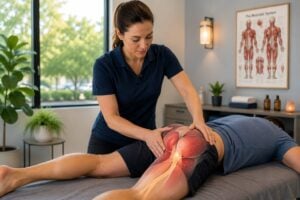
Trigger points (a.k.a. muscle knots) in the upper traps, suboccipitals, and SCM muscles often refer pain to the head. A skilled therapist can:
- Identify and deactivate these points
- Reduce referred pain patterns
- Restore muscular balance
Scalp Massage
Scalp massage isn’t just relaxing, it’s therapeutic. Benefits include:
- Stimulating blood flow to the scalp
- Reducing tension around the temples and occipital ridge
- Improving oxygenation of the brain
Bonus: it may even boost hair growth!
Neck and Shoulder Release
Chronic tightness in the neck and upper back is a top contributor to tension and cervicogenic headaches. Deep tissue or myofascial release here helps:
- Reset muscle tone
- Reduce nerve compression
- Encourage full range of motion
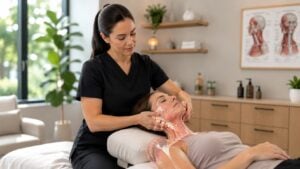
Sinus Pressure Massage
Gentle strokes and pressure applied to the cheeks, brow, and under the eyes:
- Encourage sinus drainage
- Reduce puffiness and pain
- Pair beautifully with aromatherapy (e.g., eucalyptus or peppermint)
Craniosacral Therapy
This subtle technique works with the flow of cerebrospinal fluid and the membranes surrounding the brain and spinal cord. It can:
- Soothe the central nervous system
- Help migraine sufferers
- Improve emotional resilience linked to chronic pain
Self-Care Massage Tips for At-Home Relief
You don’t always need a professional session to find relief. Try these techniques between appointments:
- Temples & Brow Rubbing: Use your index fingers in small circles along the brow and temples.
- Neck Roll with Tennis Ball: Lie down and place a tennis ball under your neck near the base of your skull. Roll slowly side to side.
- Forehead Press: Using your thumbs, apply gentle pressure to the middle of your forehead and hold for 30 seconds.
Pair with deep breathing, warm compresses, or essential oils like lavender or peppermint for best results.
What to Expect During a Professional Headache Massage
A session at Narayan Wellness Inc. in Pleasanton might begin with a brief consultation to identify:
- Headache patterns
- Postural habits
- Lifestyle stressors
Your therapist will then customize the session with:
- Targeted neck and scalp work
- Gentle facial massage (if sinus-related)
- Trigger point release techniques
- Relaxation-inducing strokes
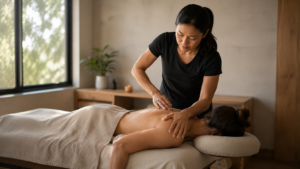
Sessions often last 60–90 minutes and may include guidance for follow-up care.
How Massage Enhances Function: Beyond Pain Relief
Relief is just the beginning. Regular massage for headaches can also:
- Improve mental clarity and focus
- Enhance mood and emotional regulation
- Increase energy and reduce fatigue
- Support healthier sleep cycles
- Encourage better body awareness to prevent future pain
Headaches don’t exist in isolation and neither should your treatment.
Integrating Massage into a Headache Prevention Routine
Think of massage as part of a holistic wellness system. Here’s how to weave it into your lifestyle:
- Schedule monthly (or biweekly) massage sessions
- Pair with yoga, stretching, or chiropractic care
- Stay hydrated, dehydration is a sneaky trigger
- Manage stress with meditation or breathwork
- Adjust posture (especially if you work at a desk)
Narayan Wellness Inc. offers integrative approaches to help you build a long-term strategy, not just a quick fix.
Who Should Seek Massage for Headaches?
Massage is especially helpful if:
- You experience 3+ headaches per month
- You’ve had limited success with medications
- You carry stress in your shoulders or jaw
- You sit for long periods or stare at screens daily
- You prefer natural, side-effect-free relief
Always consult with your healthcare provider first if your headaches are sudden, severe, or unusual in pattern.
Finding the Right Therapist Near You in Pleasanton
Not all massages are created equal. Look for a therapist who:
- Specializes in headache-related bodywork
- Understands trigger point and craniosacral techniques
- Offers customized care (not just a one-size-fits-all session)
- Listens deeply and collaborates on long-term goals
At Narayan Wellness Inc., our trained therapists blend science and intuition to offer deeply therapeutic massage sessions tailored to your unique pain patterns and healing goals.
The Link Between Posture and Headaches: What Most People Miss
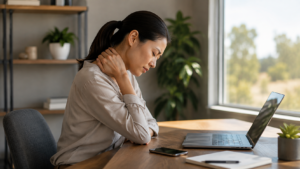
We often blame stress, dehydration, or hormones for our headaches and rightly so. But there’s one overlooked factor that might be quietly triggering your pain every day: your posture.
Poor posture, especially when sitting at a desk, driving, or using devices, creates a cascade of physical stress that lands squarely in your neck, shoulders, and upper back, areas directly connected to headache onset.
How Poor Posture Causes Headaches
- Forward head posture (tech neck) increases the load on your cervical spine by up to 60 pounds. That’s like hanging a suitcase from your neck all day.
- Rounded shoulders and collapsed chest restrict breathing and blood flow, triggering fatigue and tension.
- Muscle overcompensation in the upper traps and suboccipitals (tiny muscles at the base of the skull) leads to tightness and referred pain to the forehead or temples.
Massage: The Postural Reset Button
Massage therapy addresses the muscular imbalances caused by postural strain in three ways:
- Releasing chronically tight muscles (e.g., upper traps, SCM, levator scapulae)
- Stimulating underused postural stabilizers (e.g., rhomboids, deep neck flexors)
- Re-educating neuromuscular pathways so your body defaults to better alignment
Paired with ergonomic adjustments and postural awareness, regular massage can dramatically reduce the frequency of headaches triggered by digital life.
Massage vs. Medication: Which Offers Better Long-Term Headache Relief?
When a headache strikes, popping a pill is easy, but is it the best solution? Let’s compare.
Painkillers: The Quick Fix
- Pros: Fast relief for acute pain; accessible
- Cons: Temporary effect, risk of overuse headaches, digestive side effects, dependency potential
Most OTC medications simply mask symptoms rather than address the underlying cause. Over time, they may even dull your awareness of pain triggers.
Massage Therapy: The Root-Cause Approach
- Pros: Treats muscular and nervous system imbalances; no side effects; supports whole-body health
- Cons: Requires time investment and consistency
Research shows that massage reduces both frequency and intensity of headaches, especially tension and cervicogenic types, without side effects. Unlike meds, it builds resilience.
The takeaway? Use medication sparingly for emergencies, but invest in massage and bodywork as your long-term, sustainable strategy.
Conclusion
Headaches can feel like an unwelcome mystery, especially when they come without warning and ruin your day. But you don’t have to suffer silently or rely solely on pills. Massage therapy offers a powerful, proven pathway to not only relieve headaches but also improve function, reduce stress, and help you feel more like yourself again.
By understanding your headache type and working with a qualified massage therapist, you can transform your pain into a path toward holistic well-being.
FAQs
Can massage help with migraines as well as tension headaches?
Yes. While massage can’t cure migraines, it helps reduce frequency and severity by lowering stress, improving circulation, and releasing muscular tension that may trigger attacks.
How many sessions are needed to see results?
Some people feel relief after just one session, especially for tension headaches. Chronic cases may require consistent weekly or biweekly sessions for lasting results.
Are there risks to headache massage?
Massage is generally safe. However, individuals with certain vascular conditions or severe migraines should consult a healthcare provider first. Always inform your therapist of any medical issues.
Is self-massage effective for headaches?
Yes. Techniques like temple rubbing, scalp stimulation, and neck stretches can provide temporary relief between professional sessions.
What’s the best type of massage for sinus headaches?
Facial and lymphatic drainage massage techniques work best, especially when paired with steam inhalation or essential oils like eucalyptus and peppermint.