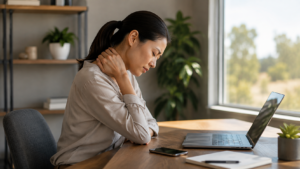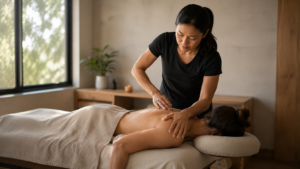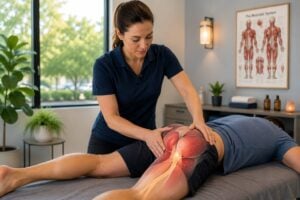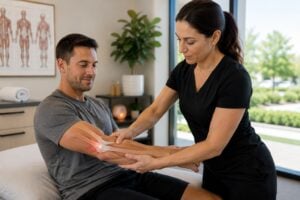
Anxiety disorders are among the most common mental health issues globally, affecting over 300 million people. In the U.S. alone, more than 40 million adults struggle with anxiety each year. As society becomes more fast-paced and demanding, many are seeking alternatives to medication, looking instead to holistic, body-centered therapies that support both mind and body. Massage therapy has emerged as a powerful, natural intervention for anxiety relief.
Understanding the Mind-Body Connection
The mind and body are deeply connected which is a fact both ancient healing traditions and modern neuroscience agree on. Anxiety is not just “in the head”; it manifests physically through muscle tension, shallow breathing, increased heart rate, and digestive issues. By working directly on the body, massage provides a gateway to influence the nervous system, regulate stress hormones, and create conditions for mental calm.
How Massage Therapy Impacts the Nervous System
Massage stimulates the parasympathetic nervous system, the “rest and digest” branch, which counters the body’s stress response (sympathetic nervous system or “fight or flight”). This shift leads to a measurable decrease in cortisol (the stress hormone), a drop in blood pressure, slower heart rate, and a sense of grounded calm. Regular massage retrains the nervous system to access relaxation more easily.
Types of Massage That Help With Anxiety
Swedish Massage
This gentle, flowing technique uses long strokes to soothe the nervous system. Ideal for first-time clients or those with heightened sensitivity.
Deep Tissue Massage
For individuals whose anxiety manifests as chronic tension, deep tissue work can help release muscle holding patterns that trap stress.
Craniosacral Therapy
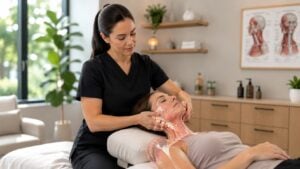
This subtle technique targets the central nervous system via light touch, particularly around the skull and spine. It’s known to promote deep states of calm and emotional release.
Shiatsu and Acupressure
Rooted in Eastern medicine, these techniques use pressure points along energy meridians to balance the body’s energy flow and reduce anxiety.
Aromatherapy Massage
Combining massage with calming essential oils (like lavender, bergamot, or chamomile) enhances the relaxation response and can elevate mood.
Vagus Nerve Stimulation and Massage
The vagus nerve is a key player in the body’s relaxation response. Massage techniques that stimulate areas connected to the vagus nerve, such as the neck, abdomen, and feet, can enhance vagal tone, increasing resilience to stress. Techniques like abdominal massage, foot reflexology, and gentle cervical work all support vagus nerve activation.
Scientific Evidence: What Research Says
Numerous studies confirm massage therapy’s impact on anxiety:
- A 2010 meta-analysis found that massage significantly reduces anxiety levels across various populations.
- Research from the University of Miami’s Touch Research Institute shows massage reduces cortisol and increases serotonin and dopamine.
- A 2019 study in the Journal of Clinical Psychiatry found that weekly massage sessions led to significant improvements in generalized anxiety disorder symptoms.
While more large-scale research is needed, the existing evidence supports massage as a valuable component of anxiety treatment.
Somatic Healing and Emotional Regulation
Massage goes beyond muscles. It supports somatic healing, the process of resolving emotional pain stored in the body. Trauma, chronic stress, and emotional suppression can create physical holding patterns. Skilled touch can help release these patterns, often leading to emotional breakthroughs. This process enhances emotional regulation, helping individuals respond to stress with more resilience.
What to Expect in a Therapeutic Session
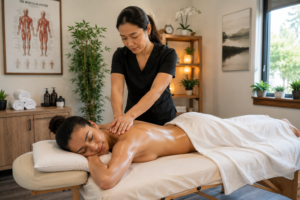
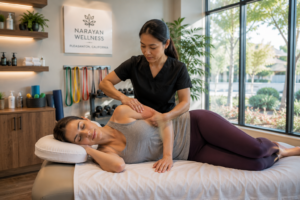
Clients seeking massage for anxiety relief can expect a calm, nonjudgmental environment. Therapists may use soft lighting, calming music, and aromatherapy to create a sense of safety. Sessions often begin with a brief intake to assess symptoms, preferences, and triggers. The therapist will adjust pressure, technique, and pace to suit the client’s nervous system. Silence is encouraged unless the client wants to talk, the goal is deep rest.
Frequency and Timing: When Massage Works Best for Anxiety
For ongoing anxiety, consistency is key. Weekly or biweekly sessions can help reset the nervous system and build emotional resilience. Some clients notice benefits after a single session, while others need several weeks of regular treatment. Morning sessions may help set the tone for a calm day, while evening sessions promote better sleep.
Integrating Massage Into a Holistic Anxiety Care Plan
Massage works best when integrated into a larger wellness plan. Pair it with:
- Mindfulness or meditation
- Breathwork practices
- Talk therapy or somatic experiencing
- Movement therapies like yoga or tai chi
- Nutritional support
Massage is not a cure-all, but it powerfully complements other treatments, especially for those who are touch-deprived, somatically disconnected, or struggling with chronic stress.
Real Stories: Client Experiences With Massage for Anxiety Relief
“After years of struggling with anxiety and insomnia, regular massage gave me a sense of peace I hadn’t felt in years.” — Lisa, 38
“I didn’t realize how much my anxiety lived in my shoulders until my therapist worked on them. Now I breathe easier.” — Mark, 46
“Massage helped me feel safe in my body again after trauma. It was the first time I could fully relax.” — Jasmine, 29
These testimonials reflect a common truth: the body holds our stories, and with the right kind of touch, those stories can shift.
The Role of Touch in Building Secure Attachment
Secure attachment, the sense of emotional safety and trust in relationships, begins in infancy, largely through touch. Gentle, responsive physical contact helps infants regulate emotions, develop trust, and form healthy bonds. This foundation influences our lifelong ability to cope with stress and anxiety. Massage, especially when practiced regularly, recreates the conditions of secure attachment: presence, comfort, and nonverbal emotional attunement. For adults with attachment wounds, massage can be a reparative experience that fosters trust, emotional safety, and nervous system regulation.
How Massage Therapy Supports Trauma Recovery
Anxiety often stems from unresolved trauma, experiences that overwhelmed the nervous system and were never fully processed. Talk therapy can help process trauma cognitively, but trauma also lives in the body. Massage therapy helps access and release this stored tension. A trauma-informed massage therapist works gently, respects boundaries, and prioritizes consent, helping clients feel in control. Over time, this re-establishes a sense of safety in the body, reduces hypervigilance, and allows for deep healing. Techniques like craniosacral therapy, gentle rocking, and rhythmic pressure are especially supportive for trauma survivors.
Cultural and Historical Roots of Healing Touch
Massage as a healing art spans across cultures and millennia. Ancient Chinese medicine viewed touch as a way to balance qi (life energy). Ayurvedic traditions in India used Abhyanga (oil massage) to calm the doshas and soothe the mind. Indigenous cultures worldwide have employed therapeutic touch for emotional and spiritual healing. Today’s massage therapists carry this legacy forward, blending modern science with timeless wisdom. Recognizing this lineage helps deepen our appreciation of massage not just as a luxury, but as an ancestral form of medicine for body and soul.
The Future of Massage for Mental Health
As research into the mind-body connection grows, massage is increasingly recognized as a valid intervention for mental health. Integrative clinics are adding massage therapists to their mental health teams. Insurance companies are slowly expanding coverage. New protocols are emerging for anxiety, depression, PTSD, and grief. With rising demand for drug-free options, massage is poised to play a larger role in preventive mental health care. The future will likely include trauma-informed certifications, digital tracking of outcomes, and broader public access to this essential service.
How to Choose the Right Therapist for Anxiety Relief
Not all massage therapists are trained to work with anxiety. Look for someone who:
- Has experience with mental health concerns
- Practices trauma-informed care
- Offers a calming environment
- Prioritizes consent and boundaries
- Uses techniques that regulate the nervous system
An initial consultation can help gauge compatibility. Trust your instincts, feeling safe is non-negotiable. The right therapist won’t rush you and will adjust pressure and techniques based on your comfort. This relationship can become a cornerstone of your anxiety relief toolkit.
Conclusion: Reclaiming Calm Through Touch
In a world of endless stimulation and mounting anxiety, massage therapy offers a pause, a way back to balance. By calming the nervous system, lowering stress hormones, and offering therapeutic connection, massage empowers individuals to reclaim calm from within. As science and tradition agree, the body is not separate from the mind and healing the body can transform the mind.
FAQs
How does massage therapy help with anxiety?
Massage activates the parasympathetic nervous system, reduces cortisol, and supports emotional regulation, making it effective for anxiety relief.
Which type of massage is best for anxiety?
Swedish, craniosacral, and aromatherapy massages are especially effective for anxiety due to their calming, gentle techniques.
Can massage stimulate the vagus nerve?
Yes, techniques targeting the neck, abdomen, and feet can stimulate the vagus nerve, enhancing the body’s natural relaxation response.
How often should you get a massage for anxiety relief?
Weekly or biweekly sessions are ideal for chronic anxiety, helping to retrain the nervous system for long-term calm and resilience.
Is massage therapy a substitute for anxiety medication?
Massage can complement traditional treatment but should not replace prescribed medication without guidance from a healthcare provider.