Your lymphatic system works quietly behind the scenes, keeping your body clean and healthy. It moves lymph fluid, rich in white blood cells, through a network of vessels and nodes, filtering out waste, toxins, and pathogens. Think of it as your body’s natural drainage and defense system.
Unlike your circulatory system, the lymphatic system doesn’t have a central pump. It relies on movement, like breathing, muscle contraction, and massage, to keep lymph flowing. When illness, surgery, or injury occurs, lymph flow can become sluggish or blocked, leading to swelling, fatigue, and slower recovery.
What Is Lymphatic Drainage Massage?
Lymphatic drainage massage is a gentle, rhythmic therapy designed to stimulate lymph flow. Unlike deep tissue or Swedish massage, this technique uses light, repetitive strokes that mimic the natural movements of lymph through the body.
The goals of lymphatic massage include:
- Reducing swelling and fluid retention
- Supporting immune function
- Accelerating the removal of toxins
- Aiding tissue regeneration and healing
It’s widely used in both medical and wellness settings, especially for people recovering from surgery, chronic illness, or trauma.
Lymphatic Challenges After Illness, Injury, or Surgery
When your body is fighting an infection, healing a wound, or recovering from an operation, the lymphatic system works overtime. But inflammation, immobility, or tissue damage can overload or stall the system.
Common issues include:
- Post-surgical swelling (lymphedema)
- Fluid buildup around injury sites
- Weakened immune defense during illness
- Toxin accumulation from medications or anesthesia
- Slow wound healing or bruising
This is where therapeutic massage comes in, to restore balance and improve circulation.
How Massage Supports Post-Surgery Recovery
Surgery often disrupts the body’s normal lymph flow. Whether it’s a cosmetic procedure (like liposuction), cancer-related surgery, or an orthopedic operation, the body retains fluid as it heals. Lymphatic massage can help reduce this swelling and promote faster tissue repair.
Benefits after surgery include:
- Reduced edema and bruising
- Less discomfort around incision sites
- Faster scar tissue breakdown
- Lower risk of infection through improved immune circulation
Surgeons often recommend manual lymphatic drainage (MLD) in the weeks following procedures, especially for patients experiencing fluid retention or discomfort. It’s frequently paired with compression therapy and gentle movement rehab.
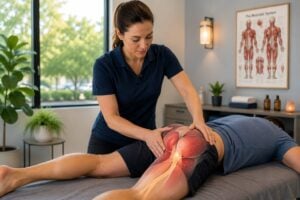
Using Massage to Heal After Injury
Injuries, from sprained ankles to sports-related trauma, often lead to localized swelling. This swelling isn’t just fluid; it’s also a build-up of metabolic waste and inflammatory byproducts.
Lymphatic massage can:
- Speed up detoxification in the injured area
- Encourage fresh blood and oxygen flow
- Help reduce pain and stiffness
- Shorten the overall healing window
By gently working around the injured area, therapists can support healing without aggravating damaged tissue. This technique is especially useful for chronic injuries where swelling lingers or mobility remains limited.
Boosting Recovery After Illness with Lymphatic Massage
Whether recovering from a respiratory infection, chronic fatigue, or a long bout of medication, your body needs a full-system reboot. Lymphatic massage helps your immune system regain rhythm, especially after immune-suppressing treatments or periods of bed rest.
Benefits for post-illness recovery:
- Mobilizes white blood cells
- Reduces inflammation systemically
- Flushes out toxins from medications or infections
- Improves energy and circulation
This form of massage is also beneficial for clients with autoimmune disorders or chronic illnesses like Lyme disease, where detox support is crucial.
Signs You May Need Lymphatic Massage
Not sure if lymphatic massage is right for you? Here are common signs your lymph system might be struggling:
- Persistent swelling in limbs or face
- Heaviness or tightness in extremities
- Frequent infections or slow healing
- Fatigue that doesn’t improve with rest
- Skin puffiness or unusual water retention
- Post-surgical or post-injury inflammation
If any of these symptoms are present, speak with a qualified massage therapist or your healthcare provider.
What to Expect During a Lymphatic Massage Session
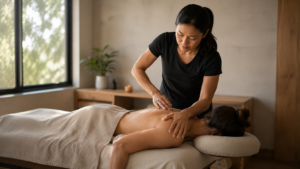
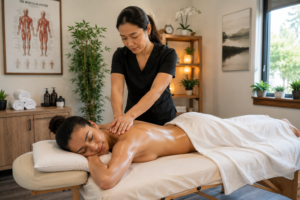
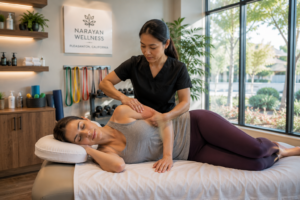
A lymphatic massage is different from a typical relaxation massage. It’s gentle, methodical, and focused more on flow than muscle tension.
Here’s what typically happens:
- You’ll lie comfortably on a massage table, partially draped
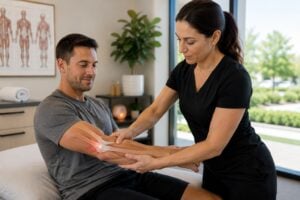
- Your therapist will use light, rhythmic strokes in a specific sequence
- Areas like the neck, armpits, abdomen, and groin are common focus points where major lymph nodes cluster
- Sessions last 30–60 minutes, with no oils or lotions typically used
The experience is deeply relaxing. Many clients report improved sleep and reduced stress immediately afterward.
Who Should Avoid Lymphatic Massage?
While lymphatic massage is safe for most, certain conditions require caution:
- Acute infections or fever
- Blood clots (DVT) or active cancer
- Severe kidney or heart conditions
- Unexplained pain or swelling
- Active skin infections
Always consult a healthcare provider before starting lymphatic massage, especially if you’re recovering from surgery, managing chronic illness, or taking medication that affects circulation.
Integrating Lymphatic Massage Into Holistic Recovery Plans
Massage is most effective when paired with other healthy habits. For optimal lymphatic support:
- Hydrate well: Water is essential for lymph movement
- Move gently: Walking or stretching supports drainage
- Breathe deeply: Diaphragmatic breathing boosts lymph flow
- Eat clean: Anti-inflammatory foods reduce toxic load
- Sleep well: Rest supports immune recovery
Many clients in Pleasanton pair lymphatic massage with acupuncture, nutrition coaching, or relaxation techniques to create a comprehensive healing plan.
Post-Cancer Recovery and the Lymphatic System
After cancer treatment, especially surgeries involving lymph node removal (e.g., breast cancer with axillary node dissection), patients may develop lymphedema, a chronic condition where lymph fluid accumulates in soft tissues.
Manual lymphatic drainage has become a cornerstone of integrative post-cancer care because it:
- Helps control swelling
- Improves tissue health in irradiated or scarred areas
- Supports immune recovery
- Reduces risk of secondary infections
Paired with compression garments, gentle exercise, and oncology massage, lymphatic drainage improves both physical comfort and emotional resilience during survivorship.
Lymphatic Health for Women’s Wellness
Hormonal fluctuations, from menstruation and pregnancy to menopause, affect fluid retention, circulation, and immune resilience. Lymphatic massage can play a key role in:
- Easing PMS bloating
- Supporting detox during hormonal transitions
- Alleviating pregnancy-related swelling (under medical guidance)
- Improving skin health and energy in menopause
By enhancing circulation and hormone transport, massage fosters balance and vitality, especially when combined with acupuncture, herbal therapy, or pelvic floor work.
How Chronic Inflammation Disrupts Lymph Flow
Chronic inflammation, driven by poor diet, stress, toxins, or autoimmunity, leads to congested lymph flow. When tissues are inflamed, lymph vessels tighten or collapse, causing a back-up of fluid and waste.
Symptoms of chronic lymph stagnation:
- Puffy face or limbs
- Cellulite buildup
- Low energy despite rest
- Brain fog or poor digestion
Lymphatic massage reduces inflammatory load by gently mobilizing stagnant lymph, stimulating detox pathways, and increasing the body’s antioxidant response.
Pairing massage with anti-inflammatory habits like plant-based eating, sauna therapy, and stress reduction creates a holistic reset.
Lymphatic Massage for Skin Health and Acne Detox
The skin is your body’s largest detox organ. If lymph isn’t flowing well, toxins and inflammatory waste can accumulate beneath the skin, triggering acne, dull complexion, or puffiness.
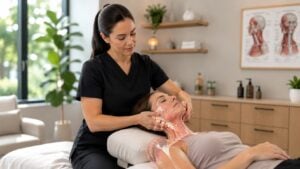
Lymphatic facial massage, often paired with gua sha or jade rolling, helps:
- Reduce fluid retention in the face
- Support natural collagen repair
- Promote healthy circulation and glow
- Calm redness, irritation, and congestion
For clients struggling with chronic skin issues, especially those with underlying gut or immune imbalances, lymphatic massage creates a gentle path to clear, balanced skin.
Massage vs. Compression Therapy: What’s the Difference?
Both massage and compression support lymphatic health — but they serve slightly different purposes.
| Technique | Best For | How It Works |
|---|---|---|
| Manual Massage | Targeted lymph flow stimulation, detox | Gentle, hands-on technique stimulating superficial vessels |
| Compression Garments | Chronic lymphedema, post-surgery swelling | Applies steady pressure to prevent fluid buildup |
Many post-operative or oncology patients use both methods: massage to clear lymph and compression to maintain progress between sessions.
In Pleasanton, therapists often collaborate with physical therapists or post-op nurses to build personalized care plans.
How Lymphatic Health Impacts Emotional Wellbeing
Recent studies reveal a fascinating mind-body link: poor lymphatic flow may increase feelings of anxiety, mental fog, and low resilience.
Why? The lymphatic system helps regulate:
- Neuroinflammation
- Brain detox via the glymphatic system
- Hormonal balance
When your body can’t eliminate cellular waste properly, it affects neurotransmitter balance and stress responses. Massage, particularly around the neck, clavicles, and diaphragm, calms the nervous system while stimulating flow.
This is why many people report feeling emotionally lighter and more grounded after a lymphatic session.
How to Maintain Lymphatic Health at Home
Massage is powerful but daily habits keep your lymphatic system thriving long-term. Try incorporating these into your wellness routine:
- Hydration: Drink 8–10 glasses of water daily
- Dry brushing: Use a natural-bristle brush before showering to stimulate lymph
- Rebounding: Mini-trampoline bouncing boosts flow
- Contrast showers: Alternating hot and cold water contracts lymph vessels
- Deep breathing: Activate the thoracic duct with diaphragmatic breath
- Self-massage: Light strokes toward the heart can support daily drainage
Narayan Wellness often provides personalized home care guides so clients can continue healing between sessions.
Local Support for Lymphatic Health in Pleasanton
At Narayan Wellness in Pleasanton, licensed massage therapists specialize in post-surgical, post-illness, and injury recovery massage. Our integrative approach blends modern techniques with traditional wisdom to support your full-body healing journey.
We focus not just on symptoms, but on restoring vitality and flow to every client. Whether you’re healing from surgery, managing chronic fatigue, or just want to feel more energized, lymphatic massage can be a powerful ally.
FAQs
What is the best massage for lymphatic drainage?
Manual Lymphatic Drainage (MLD) is the most effective technique, using gentle, rhythmic movements to stimulate lymph flow and reduce swelling.
How soon after surgery can I get a lymphatic massage?
It depends on your procedure and doctor’s advice. Many start within 1–2 weeks post-op, once stitches are removed and inflammation is stable.
Can lymphatic massage help with chronic fatigue or illness?
Yes. Lymphatic massage supports detoxification and boosts immune response, making it helpful for post-illness recovery and energy restoration.
Is lymphatic massage painful?
Not at all. It uses light pressure and is designed to be soothing and non-invasive.