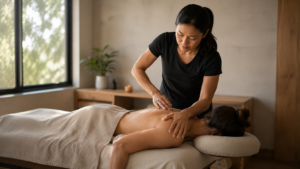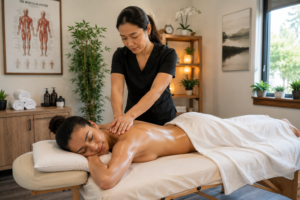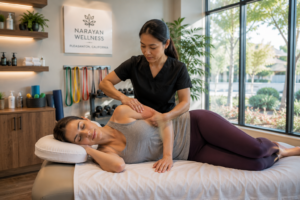
Migraines aren’t just bad headaches. They’re complex neurological events affecting millions. If you live in Pleasanton and struggle with frequent migraines, you’re likely searching for lasting relief beyond just medication. That’s where a holistic approach comes in: combining massage therapy, stress management, and lifestyle strategies that support your body’s natural balance.
At Narayan Wellness Inc., we view migraine relief through a whole-person lens. Our clients see results not just from targeted massage therapy, but also from transforming how they sleep, eat, breathe, and move. This blog dives deep into the most effective strategies for migraine relief, blending proven therapies with everyday lifestyle upgrades.
Understanding Migraine Triggers
Migraines don’t strike randomly. They’re often triggered by a perfect storm of stress, hormonal shifts, dietary triggers, environmental sensitivities, and muscular tension. Understanding what activates your migraines is the first step toward relief.
Common Migraine Triggers:
- Muscle tension (especially in the neck, jaw, or shoulders)
- Poor sleep or circadian rhythm disruptions
- Dehydration or skipped meals
- Hormonal changes
- Environmental factors (e.g., light sensitivity, weather shifts)
- Chronic stress
Massage therapy helps address several of these triggers by releasing muscular tension, calming the nervous system, and improving circulation.
How Massage Therapy Eases Migraine Symptoms
Massage therapy is one of the most effective drug-free approaches to reducing migraine intensity and frequency. The right techniques, applied by a skilled therapist, can provide both immediate relief and long-term benefits.
Myofascial Release
Fascia is the connective tissue that wraps your muscles and organs. Tension in the fascia, especially in the neck, shoulders, and scalp, can compress nerves and trigger migraines. Myofascial release involves gentle, sustained pressure that softens these restrictions.
Benefits:
- Reduces head and neck tension
- Improves blood and lymph flow
- Eases pressure around nerves
Trigger Point Therapy
Trigger points are hyper-irritable knots in muscles that refer pain to other areas. For migraine sufferers, trigger points in the trapezius, SCM (sternocleidomastoid), or suboccipital muscles often radiate pain to the temples, forehead, or behind the eyes.
Benefits:
- Deactivates pain referral pathways
- Interrupts the migraine cycle
- Enhances range of motion in the neck
Reflexology and Craniosacral Techniques
Reflexology stimulates pressure points in the feet that correspond to the head and nervous system. Craniosacral therapy involves light touch on the skull and spine to promote balance in cerebrospinal fluid flow.
Benefits:
- Deep relaxation of the nervous system
- Enhanced sleep quality
- Reduced migraine frequency over time
The Role of Stress in Migraine Onset
How Cortisol and Muscle Tension Interact
Elevated stress hormones make muscles more prone to tightness, especially in the neck, jaw, and shoulders. This creates a pressure-cooker effect, reducing oxygen flow and increasing the risk of a migraine.
Relaxation Massage for Nervous System Reset
Massage activates the parasympathetic nervous system which is the body’s “rest and digest” mode. Over time, regular massage can recondition the body to stay in this relaxed state longer.
Local Insight: At Narayan Wellness, our clients in Pleasanton often report fewer migraines simply from integrating weekly or biweekly massage sessions focused on nervous system regulation.
Lifestyle Changes that Support Migraine Relief
Sleep Hygiene and Circadian Health
Inconsistent sleep is a major migraine trigger. Going to bed and waking up at the same time daily can stabilize hormonal and neurological rhythms.
Pro Tip: Avoid screens for an hour before bed, and use blackout curtains to support melatonin production.
Hydration, Nutrition & Caffeine Management
Even mild dehydration can trigger migraines. Many clients see a dramatic improvement by drinking at least half their body weight in ounces of water daily.
Nutrition Tips:
- Eat protein-rich meals at regular intervals
- Avoid artificial sweeteners and excessive sodium
- Moderate caffeine intake. Don’t quit cold turkey, which can cause rebound migraines
Mind-Body Practices: Yoga, Breathwork, and Meditation
Gentle movement, breath awareness, and mindfulness reduce chronic stress and muscular tension. Even 10–15 minutes daily can yield benefits.
Example: Alternate nostril breathing and restorative yoga poses like “legs up the wall” are excellent migraine preventatives.
Building a Personalized Migraine Plan in Pleasanton
Your path to migraine relief should be as unique as you are. Here’s how we help clients tailor a comprehensive approach:
Partnering with Narayan Wellness Therapists
Our massage therapists specialize in migraine relief and understand the patterns specific to Pleasanton’s high-performance professionals. We incorporate trigger mapping, tension analysis, and lifestyle coaching.
Integrating Massage with Medical Treatments
Massage doesn’t replace medications but can enhance their effectiveness. Clients on triptans or beta-blockers often find they need fewer doses when massage is part of their routine.
Note: Always consult your physician before modifying your treatment plan.
Tracking Triggers & Results
We recommend maintaining a migraine journal that logs sleep, hydration, stress levels, meals, and massage sessions. Over time, this data reveals patterns that guide your treatment.
The Gut-Brain Connection and Migraines
Research increasingly links gut health to neurological function. An imbalance in gut bacteria (dysbiosis) or inflammation from food sensitivities can lead to systemic inflammation and affect neurotransmitter levels, including serotonin which is a key player in migraines.
The Science:
- 70–90% of serotonin is produced in the gut
- Dysbiosis may contribute to chronic migraines via the gut-brain axis
Tip: Incorporate fermented foods like kefir and sauerkraut, and work with a nutritionist for an elimination diet if gut symptoms accompany your migraines.
Hormonal Shifts and Migraine Patterns
Many women experience migraines in relation to their menstrual cycle. Estrogen fluctuations can heighten sensitivity to pain and trigger neurological changes.
Common Patterns:
- Menstrual migraines (days before or during the period)
- Perimenopausal migraine increase due to hormone instability
Massage Support: Lymphatic drainage and abdominal massage can help regulate hormonal rhythms and reduce fluid retention and cramping that compound migraine symptoms.
Workplace Ergonomics and Migraine Prevention
If you sit at a desk all day, poor posture can silently create conditions for migraines. Forward head posture, screen glare, and muscle tension in the upper back all contribute.
Solutions:
- Adjust your chair and monitor height
- Take stretch breaks every 30–60 minutes
- Request an ergonomic evaluation
At Narayan Wellness, we offer body alignment assessments that help desk workers in Pleasanton reduce migraine risk.
Seasonal Allergies and Weather-Related Migraines
Weather shifts, barometric pressure changes, and allergies can all influence migraine onset. Sinus inflammation and histamine responses exacerbate neurological sensitivity.
Proactive Care:
- Use a HEPA air filter at home
- Take a warm steam shower to loosen sinus pressure
- Try lymphatic facial massage to improve sinus drainage
Hydration Therapies and Electrolyte Balance
It’s not just about drinking more water, it’s about retaining it. Many migraine sufferers are chronically low in electrolytes like magnesium and sodium.
Best Practices:
- Add a pinch of sea salt to your water
- Use coconut water or electrolyte packets for recovery days
- Avoid diuretics like excessive coffee or alcohol
Aromatherapy and Essential Oils for Migraine Relief
Scent-based therapy influences brain chemistry in seconds. Essential oils can relax muscles, dilate blood vessels, or calm an overstimulated nervous system.
Top Oils:
- Peppermint: reduces muscle tension
- Lavender: reduces stress and anxiety
- Eucalyptus: clears sinuses
Use in a diffuser during massage or apply diluted oils to temples and neck.
Chronic Migraine vs. Episodic Migraine Management
The strategies differ based on frequency. Chronic migraine sufferers (15+ days/month) may require ongoing lifestyle and nervous system reconditioning, while episodic cases benefit from acute response plans.
Narayan Approach: We customize treatment frequency and therapy types based on your migraine profile.
Sleep Architecture and Migraines
Migraines are linked with disrupted REM cycles, sleep apnea, and insomnia. Improving sleep quality, not just duration, is essential.
Techniques:
- Weighted blankets for nervous system calming
- Magnesium glycinate or melatonin (consult your doctor)
- Massage to promote delta wave sleep states
Emotional Triggers and Stored Tension
Emotional suppression often manifests as physical tension. Anxiety, grief, and chronic overwhelm may somaticize in the neck, jaw, or shoulders, contributing to migraine vulnerability.
Modalities to Release Tension:
- Massage combined with guided breathwork
- EMDR therapy or somatic psychotherapy
- Journaling and expressive practices
High-Altitude or Travel-Triggered Migraines
Pressure changes, dehydration, and circadian disruption during travel can trigger migraines. For Pleasanton clients who fly often for work, preparation is key.
Prevention Plan:
- Hydrate aggressively pre- and post-flight
- Use compression masks for sinus balance
- Book a recovery massage after return
Food Sensitivities and Hidden Triggers
Common triggers include aged cheeses, MSG, nitrates, chocolate, and red wine. Even healthy foods like avocados or citrus can be problematic for some.
Diagnostic Tools:
- Food sensitivity testing (IgG panels)
- 3-week elimination diet
- Food-migraine tracking apps
Breathing Techniques for Migraine Prevention
Shallow chest breathing exacerbates tension and stress. Diaphragmatic (belly) breathing improves oxygenation and vagal tone.
Try This: 4-7-8 Breath: Inhale for 4, hold for 7, exhale for 8. Do 5 rounds twice daily, especially when tension builds.
Massage enhances breath flow by loosening respiratory muscles in the chest and back.
Jaw Tension, TMJ, and Migraines
Bruxism (teeth grinding) and TMJ dysfunction are silent migraine contributors. They create extreme jaw, neck, and temple tension, especially overnight.
Solutions:
- Intraoral massage from a trained therapist
- Night guards or jaw alignment tools
- Craniosacral therapy for jaw-muscle balance
Vagus Nerve Activation for Nervous System Health
The vagus nerve is a major modulator of stress and inflammation. When underactive, your body stays in a fight-or-flight state, fertile ground for migraines.
Ways to Activate It:
- Gargling or humming (stimulates vagus via throat muscles)
- Cold exposure (e.g., splash cold water on your face)
- Deep tissue massage around the neck and base of skull
The Role of Magnesium and Nutrient Deficiency
Studies show that many migraine sufferers are low in magnesium, vitamin B2 (riboflavin), and CoQ10. Supplementation can reduce migraine frequency.
Massage Boosts Absorption: Massage increases circulation and lymph flow, supporting nutrient delivery and detoxification.
Consult with a functional nutritionist before supplementing.
Creating a Monthly Migraine Maintenance Plan
Relief isn’t a one-time fix, it’s a lifestyle rhythm. A structured plan helps your body reset and prevents future episodes.
Monthly Protocol for Pleasanton Clients:
- Week 1: Deep tissue massage + hydration boost
- Week 2: Gentle relaxation massage + breathwork
- Week 3: Body alignment check + trigger point therapy
- Week 4: Lymphatic massage + nutrition review
Track outcomes in a migraine logbook to adjust as needed.
Final Thoughts: Empowering Your Migraine-Free Future
Migraines don’t have to control your life. With the right combination of therapeutic massage and supportive lifestyle changes, you can reclaim your energy, clarity, and peace of mind.
At Narayan Wellness Inc. in Pleasanton, we’re passionate about helping you understand your body’s signals, work through your tension patterns, and build resilience from the inside out. Whether you’re just starting your wellness journey or looking for that final piece of the puzzle, our holistic approach offers real, lasting relief.
FAQs
Can massage therapy really help with migraines?
Yes, targeted massage reduces muscle tension, improves circulation, and calms the nervous system—key contributors to migraine episodes.
What kind of massage is best for migraines?
Techniques like myofascial release, trigger point therapy, and craniosacral therapy are most effective.
How often should I get a massage for migraine prevention?
Weekly or biweekly sessions are ideal to maintain progress and reduce recurrence.
Are there specific lifestyle habits that make migraines worse?
Yes—poor sleep, dehydration, inconsistent meals, and chronic stress all contribute.
Can I combine massage with medication?
Absolutely. Massage complements medical treatments and can even reduce your dependency on medication over time.