Chronic stress is a modern epidemic. From hectic work schedules to relentless digital connectivity, stressors bombard us daily. According to the American Psychological Association, nearly 75% of adults report symptoms of stress, such as headaches or fatigue, monthly or more often. The question becomes: how can we manage stress in a way that’s both effective and sustainable?
For residents of Pleasanton, Californiaa, vibrant but fast-paced community, the solution lies in a proven yet often underestimated practice: regular relaxation massage. Far from a luxury, it’s a critical wellness strategy that offers profound mental and physical benefits.
What Is Relaxation Massage?
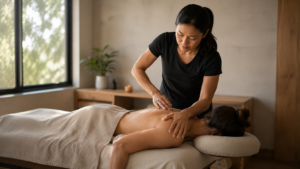
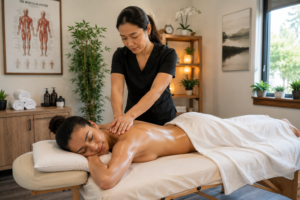
Relaxation massage, also known as Swedish massage, involves long, gliding strokes, kneading, and circular movements on superficial muscle layers. Unlike deep tissue massage, it’s not designed to target knots or chronic muscle pain but to induce calm and promote whole-body relaxation.
Techniques used include: Effleurage (light stroking), Petrissage (kneading), Friction (deep circular movements), and Tapotement (rhythmic tapping).
Each technique helps increase circulation, calm the nervous system, and ease both physical and emotional tension.
The Science Behind Stress and the Body
When the body encounters stress, it triggers the hypothalamic-pituitary-adrenal (HPA) axis, which releases cortisol which is the primary stress hormone. Chronic activation of this system contributes to anxiety, depression, digestive issues, heart disease, and more.
Massage interrupts this cycle by activating the parasympathetic nervous system, the “rest and digest” mode, which lowers cortisol levels and boosts mood-enhancing neurotransmitters like serotonin and dopamine.
Key Statistics:
- Massage can lower cortisol levels by up to 31% (Field, 2005).
- Serotonin and dopamine levels can increase by 28% and 31%, respectively, after a single session.
How Relaxation Massage Alleviates Chronic Stress
Relaxation massage helps reduce chronic stress in several powerful ways:
- Physiological Reset: Promotes deeper breathing, lowers heart rate, and stabilizes blood pressure.
- Muscular Relief: Eases muscle tension caused by prolonged stress responses.
- Mental Unwinding: Facilitates mindfulness and disconnection from daily stressors.
The calming atmosphere alone, dim lights, soothing music, and aromatic oils, initiates a mental shift, preparing the mind and body to let go of tension.
Mental Health Benefits of Regular Massage Therapy
Massage therapy isn’t just for physical relaxation because it plays a significant role in mental health management.
Psychological Benefits:
- Reduced anxiety and depression: Regular massage is associated with decreased symptoms in both areas.
- Improved sleep quality: Better sleep patterns and REM cycles are linked to massage.
- Enhanced focus and clarity: Massage promotes brainwave activity associated with focus and calm.
Clients often report feeling more balanced, resilient, and emotionally grounded after just a few sessions.
Physical Health Improvements Through Relaxation Massage
Massage therapy directly impacts various physical health markers:
Physical Benefits:
- Improved circulation: Enhances oxygen and nutrient flow to muscles and organs.
- Boosted immune function: Reduces stress hormones that suppress immunity.
- Reduced inflammation: Eases conditions like arthritis, migraines, and chronic pain.
- Enhanced digestion: Helps regulate the gut-brain connection.
When stress levels drop, the body redirects resources from “survival mode” back into essential repair and growth processes.
Why Consistency Matters: The Power of Routine
One-off massages are relaxing, but consistency is where transformation happens. Just as physical fitness requires regular exercise, managing stress demands ongoing support.
Benefits of Regular Appointments:
- Creates a reliable outlet for tension release
- Builds therapeutic trust and better session outcomes
- Cumulatively enhances emotional resilience and physical health
In Pleasanton’s high-energy lifestyle, scheduling a monthly or biweekly massage becomes a practical, preventive wellness habit.
Localizing Wellness: Why Pleasanton Residents Benefit Most
Pleasanton’s mix of busy professionals, tech workers, parents, and retirees creates a unique stress profile. Local residents often juggle career ambitions with family responsibilities, all within a culture that values high performance.
Relaxation massage in Pleasanton becomes more than just a treatment, it’s a strategy for:
- Enhancing work-life balance
- Supporting parenting stress
- Aiding recovery for active retirees
In addition, Pleasanton boasts a robust network of wellness practitioners and serene spa environments, making access easy and enjoyable.
Choosing the Right Practitioner in Pleasanton
When seeking a relaxation massage, finding the right therapist is crucial.
What to Look For:
- Proper certification and licensing
- Specialization in Swedish/relaxation techniques
- Clear communication style and professionalism
- Calming, well-maintained facilities
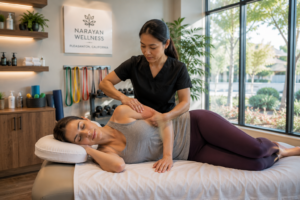
Narayan Wellness Inc., located conveniently in Pleasanton, stands out for its holistic approach, personalized sessions, and serene atmosphere that aligns perfectly with the goals of stress relief and long-term wellness.
Understanding the Nervous System’s Role in Stress
The autonomic nervous system regulates our stress response. When triggered, it activates the sympathetic branch, leading to increased heart rate, tension, and cortisol production. Regular relaxation massage activates the parasympathetic branch, counteracting stress by inducing a state of rest and recovery.
Understanding this balance helps clients see massage not as luxury but as neurological maintenance that is keeping their stress response in check.
Comparing Massage Therapy with Other Stress Management Techniques
Massage therapy works synergistically with practices like yoga, meditation, and acupuncture. Unlike methods that require mental engagement, massage is passive yet deeply effective. It complements cognitive behavioral therapy (CBT) and can ease the body into a receptive state for other interventions.
For Pleasanton residents juggling demanding lives, massage offers a reliable baseline for stress relief without needing extra effort or discipline.
How Environment Influences the Effectiveness of Massage
A well-designed massage space enhances therapeutic outcomes. Lighting, scent, sound, and temperature all contribute to activating the relaxation response. In Pleasanton, wellness centers like Narayan Wellness design spaces to amplify comfort, reduce sensory overstimulation, and promote healing.
Patients report deeper relaxation and longer-lasting benefits when sessions occur in peaceful, intentional environments.
The Role of Breathing Techniques During Massage Sessions
Coordinated breathing enhances the impact of massage. Deep diaphragmatic breathing encourages muscle relaxation and oxygen flow. Many Pleasanton therapists coach clients to synchronize breath with touch, amplifying results.
Breathing also bridges the mind-body gap, anchoring attention and reducing mental drift, making the massage more meditative.
Massage as Preventative Healthcare: Reducing Long-Term Medical Costs
Massage therapy helps prevent illness by lowering inflammation, reducing blood pressure, and supporting immunity. Long-term stress management reduces visits to primary care and mental health providers.
Employers and insurers are increasingly recognizing massage as a preventative measure. In wellness-forward cities like Pleasanton, this shift supports proactive rather than reactive healthcare.
Chronic Stress in Different Demographics: Tailoring Massage Approaches
Children, adults, and seniors each experience stress differently. Therapists in Pleasanton adapt techniques based on age, lifestyle, and health conditions. For instance, seniors may benefit from lighter pressure and joint mobilization, while teens may need sessions focused on posture and tech-related tension.
Personalization ensures maximum benefit for diverse community members.
The Link Between Stress, Hormones, and Weight Gain
Chronic stress elevates cortisol, which promotes fat storage, particularly in the abdomen. This physiological response, compounded by stress eating, leads to unwanted weight gain.
Massage therapy can lower cortisol and improve hormonal balance. When combined with exercise and nutrition, it becomes a holistic strategy for healthy weight management.
Sleep Disorders and Massage Therapy: A Natural Solution
Insomnia and restless sleep are common among stressed individuals. Massage promotes the release of serotonin and melatonin, hormones critical for sleep regulation.
Pleasanton clients often report falling asleep during sessions and sleeping more soundly afterward. For chronic insomniacs, regular massage can reset circadian rhythms naturally.
Real Client Stories from Pleasanton: Life-Changing Results
Testimonials from local clients reveal the power of massage. One client, a tech professional, shared that weekly sessions helped her manage anxiety without medication. Another, a retiree, experienced fewer arthritis flare-ups and more energy after monthly treatments.
These stories personalize the science, showcasing how real people find lasting relief.
How to Incorporate Massage into a Holistic Wellness Routine
Massage works best when integrated with other healthy habits. Pleasanton residents often pair it with nutrition plans, fitness routines, mindfulness, and occasional chiropractic care.
Setting a regular schedule, budgeting for sessions, and viewing massage as part of your healthcare, not indulgence, creates the mindset shift needed for long-term impact.
Final Thoughts: Investing in Your Long-Term Wellness
Chronic stress doesn’t just erode your peace of mind—it chips away at your long-term health. Regular relaxation massage offers a science-backed, deeply rejuvenating, and locally accessible solution for Pleasanton residents.
By prioritizing this time-tested therapy, you’re not just easing short-term tension. You’re investing in a healthier, more balanced, and resilient version of yourself, for today and years to come.
FAQs
How often should I get a relaxation massage for stress relief?
For optimal stress relief, experts recommend a relaxation massage every 2 to 4 weeks, depending on your lifestyle and tension levels.
What are the mental benefits of regular massage therapy?
Regular massage reduces anxiety, improves sleep, and enhances emotional resilience by balancing stress-related hormones.
Can massage therapy help with chronic physical conditions like migraines or arthritis?
Yes, relaxation massage can reduce inflammation and improve circulation, making it effective for managing chronic pain conditions like migraines and arthritis.
Is relaxation massage different from deep tissue or sports massage?
Yes, relaxation massage focuses on soothing the nervous system and calming the body, whereas deep tissue targets chronic muscle knots and sports massage aids in recovery and performance.
Where can I get professional relaxation massage in Pleasanton?
Narayan Wellness Inc. in Pleasanton offers personalized relaxation massage sessions in a calming, holistic environment.