Reaching into a cabinet, fastening a seatbelt, or putting on a jacket are movements most people rarely think about until shoulder pain makes them difficult. If your shoulder has gradually become stiff, painful, and increasingly difficult to move, you may be experiencing frozen shoulder, also known as adhesive capsulitis.
Frozen shoulder is more than ordinary shoulder soreness. It develops when the connective tissue surrounding the shoulder joint becomes inflamed and progressively tightens. As the capsule thickens, movement becomes restricted, often making everyday activities frustrating and uncomfortable.
Unlike many shoulder injuries that result from sudden trauma, frozen shoulder usually develops gradually over several months. Many people initially mistake the discomfort for muscle tension or overuse, only realizing something more serious is happening when their range of motion continues to decline.
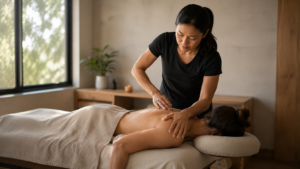
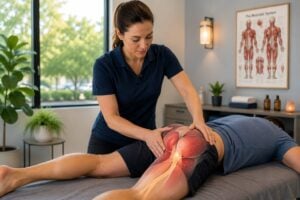
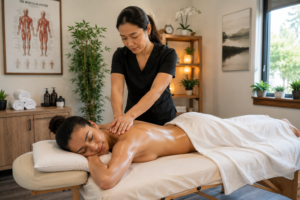
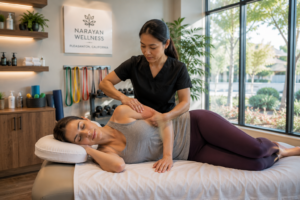
For residents seeking frozen shoulder treatment in Pleasanton, understanding the condition is the first step toward finding effective, conservative care. Massage therapy is often incorporated into a broader rehabilitation plan to help manage pain, improve soft tissue mobility, and support functional recovery alongside other treatments.
What Causes Frozen Shoulder?
Although medical researchers still do not fully understand why frozen shoulder develops, several factors are known to increase the likelihood of the condition.
One of the most common triggers is prolonged shoulder immobility. After surgery, a fracture, or another injury, people naturally protect the affected shoulder by moving it less. Unfortunately, prolonged inactivity can contribute to tightening of the joint capsule.
Other common risk factors include:
- Diabetes
- Thyroid disorders
- Recent shoulder surgery
- Rotator cuff injuries
- Stroke recovery
- Parkinson’s disease
- Extended immobilization after injury
- Previous episodes of frozen shoulder
Many individuals develop frozen shoulder without any obvious injury. In these cases, inflammation appears to develop gradually before progressing into stiffness.
Women between the ages of 40 and 60 are diagnosed more frequently than men, although anyone can develop the condition.
Who Is Most at Risk?
Certain occupations and lifestyles may contribute to shoulder problems by placing repetitive stress on the joint or limiting healthy movement.
You may have a higher risk if you:
- Spend long hours working at a computer
- Frequently perform overhead activities
- Recently underwent shoulder or breast surgery
- Have diabetes or thyroid disease
- Experienced a shoulder injury requiring a sling
- Have poor posture from prolonged sitting
Many professionals in Pleasanton spend much of their workday at a desk. Over time, rounded shoulders, limited movement, and muscle imbalance can contribute to discomfort that makes recovering from frozen shoulder even more challenging.
While these factors do not directly cause adhesive capsulitis in every case, maintaining shoulder mobility and addressing muscle tightness early may help support overall shoulder health.
The Three Stages of Frozen Shoulder
Frozen shoulder typically progresses through three distinct phases. Understanding these stages helps explain why recovery often takes time and why treatment approaches evolve throughout the healing process.
Stage 1: Freezing Stage
This first stage is characterized by increasing pain.
During this period, many people notice:
- Pain with reaching overhead
- Nighttime shoulder discomfort
- Difficulty sleeping on the affected side
- Progressive loss of movement
- Muscle guarding
Ironically, pain often discourages movement, which can contribute to increasing stiffness.
Massage therapy during this stage is generally focused on reducing surrounding muscle tension, improving comfort, and supporting relaxation rather than aggressively stretching the shoulder.
Stage 2: Frozen Stage
Pain often begins to decrease during the second stage, but stiffness becomes significantly worse.
Common limitations include:
- Difficulty dressing
- Trouble washing hair
- Reduced ability to reach behind the back
- Limited overhead motion
- Difficulty lifting objects
Although discomfort may become more manageable, functional limitations often become more noticeable.
Massage therapy may focus on improving soft tissue mobility around the neck, upper back, chest, and shoulder muscles while complementing guided mobility exercises prescribed by a healthcare professional.
Stage 3: Thawing Stage
The final phase involves gradual improvement.
Range of motion slowly returns over several months, although recovery speed varies considerably from person to person.
Consistent rehabilitation, appropriate exercise, and supportive therapies such as massage may help improve comfort and encourage healthier movement patterns throughout this stage.
Common Symptoms You Shouldn’t Ignore
Frozen shoulder symptoms typically develop gradually rather than appearing suddenly.
Early warning signs include:
- Persistent shoulder aching
- Pain that worsens at night
- Difficulty reaching overhead
- Trouble fastening a bra or reaching into a back pocket
- Pain while putting on a coat
- Shoulder stiffness that continues to worsen
- Reduced ability to rotate the arm
- Loss of both active and passive range of motion
One distinguishing characteristic of frozen shoulder is that another person also cannot easily move the affected shoulder through its full range of motion because the joint capsule itself has become restricted.
If shoulder pain persists for several weeks or your range of motion continues to decline, obtaining a professional evaluation is important to rule out other conditions such as rotator cuff tears, arthritis, bursitis, or cervical spine problems.
How Massage Therapy May Support Recovery
Massage therapy does not “break up” scar tissue inside the shoulder capsule or cure adhesive capsulitis on its own. However, it can play a valuable role as part of a comprehensive, conservative treatment plan.
People with frozen shoulder often develop significant muscle tightness in the:
- Upper trapezius
- Levator scapulae
- Pectoral muscles
- Deltoids
- Rotator cuff muscles
- Rhomboids
- Latissimus dorsi
These muscles frequently compensate for restricted shoulder movement, creating additional discomfort and limiting healthy movement patterns.
By addressing soft tissue tension surrounding the shoulder complex, massage therapy may help:
- Reduce protective muscle guarding
- Improve comfort during daily activities
- Enhance circulation to surrounding soft tissues
- Support relaxation of overworked muscles
- Improve tolerance for stretching and rehabilitation exercises
- Encourage better posture and shoulder mechanics
Massage is often most effective when combined with an individualized care plan that may include therapeutic exercise, mobility training, and guidance from qualified healthcare professionals.
Massage Techniques That May Help Frozen Shoulder
Every case of frozen shoulder is different. The severity of symptoms, stage of recovery, and underlying health conditions all influence the most appropriate treatment approach.
Rather than using excessive pressure on the shoulder joint itself, an experienced massage therapist typically works with the surrounding muscles and connective tissues that have become tight from months of restricted movement.
Here are several massage techniques that may be incorporated into a personalized treatment plan.
Myofascial Release
When muscles remain guarded for an extended period, the fascia, the connective tissue surrounding muscles, can become restricted. Myofascial release uses sustained, gentle pressure to improve tissue mobility and reduce tension.
For individuals with frozen shoulder, improving mobility in the chest, upper back, neck, and shoulder region may make everyday movements feel more comfortable.
Trigger Point Therapy
Pain in one area often creates trigger points in nearby muscles. These sensitive knots commonly develop in the upper trapezius, infraspinatus, subscapularis, and pectoral muscles.
Releasing these trigger points may help decrease referred pain while allowing surrounding muscles to function more efficiently.
Swedish Massage
Gentle Swedish massage encourages relaxation, improves circulation, and helps reduce overall muscle tension.
During the painful “freezing” stage, lighter techniques are often more appropriate than aggressive deep tissue work.
Deep Tissue Massage
Deep tissue massage is not always suitable during every stage of frozen shoulder. However, once inflammation has decreased and healing progresses, carefully applied deeper techniques may help address chronic muscle tightness that has developed around the shoulder girdle.
Treatment should always remain within the patient’s comfort level. Excessive force can increase guarding rather than improve mobility.
Assisted Stretching
Massage sessions may include gentle assisted stretching to improve flexibility in surrounding muscles.
These stretches are typically slow and controlled rather than forceful. The goal is to support movement without provoking significant pain.
Conclusion
Frozen shoulder can significantly impact your quality of life, turning simple, everyday movements into frustrating challenges. Whether you’re reaching for a coffee mug, fastening your seatbelt, or enjoying your favorite recreational activities, limited shoulder mobility can affect nearly every aspect of your daily routine.
The encouraging news is that most people recover with appropriate conservative treatment, patience, and a consistent rehabilitation plan. While frozen shoulder often requires time to heal, early intervention and a personalized approach can help reduce discomfort and improve function throughout the recovery process.
Massage therapy can be an important part of that journey. By addressing muscle tension, improving soft tissue mobility, encouraging relaxation, and supporting comfortable movement, therapeutic massage complements other conservative treatments such as physical therapy, guided exercise, and medical care.
Rather than serving as a standalone cure, massage helps create an environment where the body can move more comfortably and rehabilitation exercises may be better tolerated.
If you’re experiencing persistent shoulder pain, increasing stiffness, or difficulty performing everyday tasks, don’t assume it will simply go away on its own. A professional evaluation can help determine whether frozen shoulder or another condition is responsible for your symptoms and guide you toward the most appropriate treatment options.
For individuals seeking frozen shoulder treatment in Pleasanton, working with experienced healthcare professionals who understand musculoskeletal conditions can provide a comprehensive, individualized plan focused on restoring mobility, reducing pain, and helping you return to the activities you enjoy.
FAQs
Can massage therapy cure frozen shoulder?
No. Massage therapy does not cure adhesive capsulitis or reverse tightening within the shoulder capsule. However, it can help reduce surrounding muscle tension, improve comfort, and support mobility as part of a comprehensive treatment plan.
Is massage safe during every stage of frozen shoulder?
Massage can often be adapted for each stage of frozen shoulder, but the techniques and pressure should be adjusted based on your symptoms. Gentle methods are generally more appropriate during the painful early stage, while deeper soft tissue work may be considered later when inflammation has subsided.
How many massage sessions are usually recommended?
There is no one-size-fits-all answer. The number of sessions depends on the severity of your symptoms, how long you’ve had frozen shoulder, your overall health, and whether massage is combined with other treatments such as physical therapy and home exercises.
Should I exercise after a massage?
Many people benefit from performing gentle mobility exercises after a massage because the surrounding muscles may feel more relaxed. Follow the recommendations of your healthcare provider or physical therapist, and avoid forcing painful movements.
Who is most likely to develop frozen shoulder?
Frozen shoulder is most common among adults between the ages of 40 and 60. Individuals with diabetes, thyroid disorders, previous shoulder injuries, recent surgery, or prolonged shoulder immobilization may have a higher risk of developing the condition.
How long does frozen shoulder usually last?
Recovery varies widely. Some people improve within several months, while others may require one to two years to regain near-normal shoulder mobility. Consistent treatment and adherence to a rehabilitation plan often contribute to better outcomes.