Pregnancy is one of the most transformative experiences the human body can go through. Over the course of nine months, muscles stretch, posture changes, hormones fluctuate, sleep patterns shift, and stress levels often rise alongside physical discomfort. While pregnancy is deeply rewarding, it can also be physically exhausting and emotionally overwhelming.
For many expecting mothers, prenatal massage therapy has become an essential part of maintaining comfort, mobility, and emotional balance throughout pregnancy. More than just a relaxing experience, prenatal massage is increasingly recognized as a valuable wellness tool that may help reduce pain, improve sleep, ease anxiety, and support overall maternal health.
As more women search for natural ways to feel better during pregnancy, interest in prenatal massage in Pleasanton continues to grow especially among mothers seeking holistic support without relying heavily on medications or invasive interventions.
But one question still comes up frequently:
Is prenatal massage actually safe?
The answer, when performed correctly by a trained professional, is yes. Research continues to support the benefits of properly administered massage therapy during pregnancy, especially when tailored to the body’s changing needs.
Let’s explore how prenatal massage works, why it matters, and what expecting mothers should know before scheduling a session.
What Is Prenatal Massage?
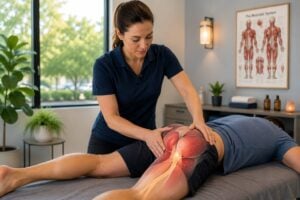
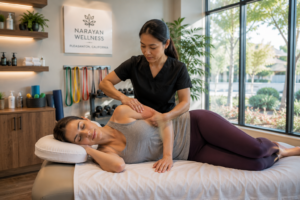
Prenatal massage is a specialized form of massage therapy designed specifically for pregnant women. Unlike traditional massage, prenatal sessions are adapted to accommodate the physical and physiological changes that occur during pregnancy.
The techniques used are generally gentler and more supportive, with careful positioning and attention to areas commonly affected during pregnancy, including:
- Lower back
- Hips
- Pelvis
- Legs
- Feet
- Neck and shoulders
Special cushions or side-lying positions are often used to ensure safety and comfort throughout the session.
The goal is not simply relaxation although relaxation is certainly a major benefit. Prenatal massage aims to support circulation, reduce muscular tension, calm the nervous system, and improve physical comfort during each stage of pregnancy.
Why Pregnancy Places Unique Stress on the Body
Pregnancy changes nearly every major system in the body.
As the baby grows, the mother’s center of gravity shifts forward. This creates increased strain on the:
- Lumbar spine
- Hip flexors
- Glutes
- Pelvic floor
- Abdominal muscles
Hormonal changes also affect connective tissue. Increased levels of relaxin help prepare the pelvis for childbirth, but they can also create joint instability and muscular compensation patterns that contribute to discomfort.
Meanwhile, blood volume increases dramatically during pregnancy, placing added demands on circulation and cardiovascular function.
It’s no surprise that many pregnant women experience symptoms such as:
- Lower back pain
- Hip pain
- Leg cramps
- Sciatica
- Neck and shoulder tension
- Swelling in the feet and ankles
- Fatigue
- Difficulty sleeping
- Stress and anxiety
Prenatal massage addresses many of these discomforts simultaneously by working with both the muscular system and the nervous system.
Is Prenatal Massage Safe?
One of the biggest concerns surrounding massage during pregnancy is safety.
According to major health organizations and clinical studies, prenatal massage is generally considered safe for most pregnancies when performed by a qualified therapist trained in prenatal techniques.
However, prenatal massage differs significantly from standard massage therapy. Certain pressure points, positions, and techniques may need to be modified or avoided altogether depending on the trimester and the individual’s health status.
A properly trained prenatal massage therapist understands how to:
- Position pregnant clients safely
- Avoid excessive pressure in sensitive areas
- Adapt techniques based on trimester
- Monitor comfort and circulation
- Support the body without overstimulation
Many providers recommend avoiding massage during the first trimester unless approved by a healthcare provider, although policies vary.
Women with high-risk pregnancies or medical complications should always consult their physician before beginning massage therapy.
The Science-Backed Benefits of Prenatal Massage
Prenatal massage is not simply a wellness trend. Research suggests it may provide measurable physiological and psychological benefits during pregnancy.
Several studies have linked prenatal massage therapy to improvements in:
- Stress hormone regulation
- Mood stability
- Sleep quality
- Muscular pain reduction
- Circulation
- Anxiety levels
Massage stimulates the parasympathetic nervous system, often called the “rest and digest” state, which helps counterbalance chronic stress responses.
This matters because prolonged stress during pregnancy may influence:
- Sleep quality
- Blood pressure
- Emotional health
- Muscle tension
- Immune function
For expecting mothers balancing work, family responsibilities, hormonal changes, and physical discomfort, this nervous system support can be especially meaningful.
How Prenatal Massage Helps Reduce Pregnancy Pain
Pain management is one of the most common reasons women seek prenatal massage therapy.
Lower Back Pain
As the abdomen expands, the lower back absorbs increasing biomechanical stress. Tight spinal muscles and pelvic imbalance can create persistent aching or sharp discomfort.
Prenatal massage may help:
- Relax overworked muscles
- Improve pelvic alignment
- Reduce tension patterns
- Support posture adaptation
Hip and Pelvic Tension
Hip pain often develops as stabilizing muscles compensate for ligament laxity and weight distribution changes.
Massage therapy can help reduce:
- Glute tightness
- Piriformis tension
- Pelvic discomfort
- Sacroiliac joint strain
Sciatic Nerve Irritation
Sciatica during pregnancy is often caused by muscular compression rather than spinal injury.
Targeted massage techniques may reduce pressure around the sciatic nerve pathway, easing:
- Radiating leg pain
- Tingling
- Burning sensations
- Muscle tightness
Prenatal Massage and Better Sleep Quality
Sleep disruption becomes increasingly common throughout pregnancy.
Many women struggle with:
- Frequent urination
- Hip discomfort
- Leg cramps
- Anxiety
- Difficulty finding comfortable sleeping positions
Poor sleep can quickly affect energy levels, mood, immune function, and emotional resilience.
Massage therapy may support better sleep by:
- Lowering stress hormones
- Relaxing tense muscles
- Improving circulation
- Encouraging parasympathetic nervous system activity
Some studies have shown that massage therapy may increase serotonin and dopamine levels, which are closely linked to mood regulation and sleep quality.
For exhausted mothers-to-be, even small improvements in sleep can have a major impact on overall well-being.
Stress, Anxiety, and Nervous System Support During Pregnancy
Pregnancy is emotional as well as physical.
Even joyful pregnancies can bring:
- Anxiety about labor
- Emotional overwhelm
- Mood swings
- Mental fatigue
- Increased sensitivity to stress
The body’s stress response system directly influences muscle tension, breathing patterns, digestion, sleep, and emotional regulation.
Prenatal massage offers a structured opportunity for the nervous system to slow down.
During massage, heart rate and cortisol levels may decrease while relaxation-promoting neurotransmitters increase. This shift can create a profound sense of calm that extends beyond the session itself.
Many women describe prenatal massage as one of the few times during pregnancy when they feel fully supported, grounded, and physically comfortable.
That emotional benefit should not be underestimated.
Improving Circulation and Reducing Swelling
Swelling in the feet, ankles, and legs is extremely common during pregnancy.
As the uterus expands, it places pressure on blood vessels and lymphatic pathways, slowing fluid movement throughout the lower body.
Prenatal massage may help support:
- Blood circulation
- Lymphatic drainage
- Fluid movement
- Tissue oxygenation
Gentle massage techniques can sometimes reduce feelings of heaviness and discomfort in swollen extremities.
Improved circulation may also contribute to:
- Reduced fatigue
- Better tissue recovery
- Improved comfort during prolonged standing or sitting
Because circulation changes are complex during pregnancy, pressure must always be adjusted carefully and appropriately.
Prenatal Massage by Trimester: What Changes?
Each stage of pregnancy creates different physical demands.
First Trimester
During early pregnancy, fatigue and nausea are often dominant symptoms.
Massage approaches are typically conservative and focused on:
- Relaxation
- Gentle tension relief
- Stress reduction
Some providers postpone massage until the second trimester depending on medical history and practitioner policies.
Second Trimester
This is often the most comfortable stage for prenatal massage.
As posture changes become more noticeable, massage may focus more heavily on:
- Lower back pain
- Hip tension
- Shoulder strain
- Leg fatigue
Third Trimester
In later pregnancy, mobility limitations and pressure-related discomfort usually increase.
Massage sessions may emphasize:
- Circulation support
- Pelvic comfort
- Swelling reduction
- Sleep support
- Nervous system calming
Positioning adjustments become especially important during this stage.
Conditions Prenatal Massage May Help Support
Although massage is not a cure or replacement for medical care, many women use prenatal massage to help manage symptoms associated with:
- Pregnancy-related back pain
- Sciatica
- Hip tension
- Neck and shoulder pain
- Headaches
- Stress
- Anxiety
- Insomnia
- Swelling
- Muscle fatigue
- Postural strain
Some women also find massage beneficial during emotionally stressful pregnancies or periods of heightened nervous system activation.
Final Thoughts on Prenatal Wellness and Therapeutic Massage
Pregnancy asks an incredible amount from the human body.
From postural strain and muscular discomfort to emotional stress and sleep disruption, expecting mothers often carry a tremendous physical and mental load throughout each trimester.
Prenatal massage therapy offers a gentle, evidence-informed way to support both body and mind during this important transition.
When performed safely and thoughtfully, prenatal massage may help:
- Reduce muscular pain
- Improve sleep quality
- Support circulation
- Ease stress and anxiety
- Promote relaxation
- Enhance overall comfort during pregnancy
For many women, it becomes more than just a wellness appointment. It becomes an opportunity to reconnect with their body, slow down the nervous system, and create moments of relief during a physically demanding season of life.
As interest in holistic maternal wellness continues to grow, prenatal massage in Pleasanton remains an increasingly valuable option for women seeking natural support throughout pregnancy.
FAQs
Is prenatal massage safe during pregnancy?
Yes, prenatal massage is generally considered safe when performed by a trained prenatal massage therapist and approved by your healthcare provider.
When should you start prenatal massage?
Many women begin prenatal massage during the second trimester, although timing depends on medical history and provider recommendations.
Can prenatal massage help with lower back pain?
Prenatal massage may help relieve lower back tension caused by posture changes, muscle strain, and pregnancy-related stress on the spine.
Does prenatal massage help reduce swelling?
Gentle prenatal massage may support circulation and lymphatic flow, helping reduce swelling in the legs, ankles, and feet.
How often should pregnant women get massages?
Frequency varies based on symptoms and wellness goals. Some women schedule monthly sessions, while others benefit from biweekly care later in pregnancy.
Can prenatal massage improve sleep?
Massage therapy may help relax the nervous system, reduce muscular discomfort, and support better sleep quality during pregnancy.