Modern office jobs promise convenience and stability, but they also come with a hidden price: physical discomfort. If you’re an office worker in Pleasanton, chances are you’ve experienced neck stiffness, back pain, or fatigue caused by long hours at a desk. The good news? Massage therapy offers a natural, effective way to relieve this growing epidemic of desk-related discomfort.
The Office Worker’s Dilemma: How Desk Jobs Harm Your Body
Sedentary work environments often lead to repetitive strain, poor posture, and muscle imbalances. Prolonged sitting compresses spinal discs, shortens hip flexors, and weakens the core, setting off a chain reaction that affects the entire body. Over time, these issues can lead to chronic pain, reduced mobility, and even nerve impingement.
Why Office Workers in Pleasanton Need Specialized Massage Therapy
Pleasanton’s tech-savvy and professional community is no stranger to high-stress desk jobs. Local professionals, whether working in corporate offices or remotely from home, are increasingly seeking massage therapy not as luxury, but as a necessity for productivity and wellness. Therapeutic massage in Pleasanton isn’t just about relaxation, it’s about restoring function and preventing injury.
Common Physical Issues from Prolonged Sitting
- Tech Neck: A modern syndrome caused by constantly looking down at screens, resulting in neck strain and spinal misalignment.
- Lower Back Pain: Often caused by weak glutes and tight hip flexors.
- Carpal Tunnel Symptoms: Tingling and numbness from repetitive typing.
- Shoulder Tension: Hunched shoulders from poor posture lead to tight traps and headaches.
How Massage Therapy Alleviates Desk Job Discomfort
Massage therapy improves circulation, relaxes overworked muscles, and stimulates the lymphatic system. For office workers, it can:
- Break up adhesions in connective tissue
- Restore blood flow to compressed areas
- Reduce inflammation in soft tissue
- Improve posture through muscle rebalancing
Best Massage Techniques for Office Workers
Deep Tissue Massage
Ideal for chronic tension, this technique targets deeper muscle layers to release knots and tension.
Trigger Point Therapy
Focuses on releasing tight, painful muscle spots that often cause referred pain in office workers.
Myofascial Release
Gently stretches and rehydrates the fascia, the connective tissue surrounding muscles, to improve mobility and comfort.
Chair Massage
Perfect for quick office relief. It targets upper body tension without requiring full undressing or long appointments.
Swedish Massage
Uses long, flowing strokes to increase circulation and reduce stress, especially helpful during high-pressure work periods.
Target Areas: Where Office Workers Feel It Most
Neck and Shoulders
These areas bear the brunt of screen time and poor posture. Massage helps reduce tension headaches and improve range of motion.
Lower Back
Desk jobs often weaken the core and overload the lumbar spine. Massage helps decompress and relieve tightness.
Wrists and Forearms
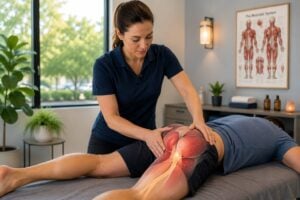
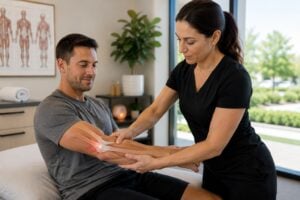
Typing and mouse usage strain these muscles. Focused massage can ease repetitive motion pain and support carpal tunnel relief.
Hips and Glutes
Sitting shortens the hip flexors and under-activates glutes. Massage helps restore muscle balance and improve pelvic alignment.
Workplace Wellness: On-Site and Preventative Massage Options
Pleasanton companies are embracing wellness initiatives like:
- On-site chair massage programs
- Employee wellness packages
- Flexible massage membership plans
These programs reduce sick days, boost morale, and improve focus — making them a smart investment in employee health.
Choosing the Right Massage Therapist in Pleasanton
Look for a licensed therapist with experience in:
- Occupational strain and repetitive stress injuries
- Ergonomics and posture correction
- Modalities like trigger point therapy, deep tissue, and myofascial work
Reviews, credentials, and a clear consultation process are essential for best results.
Internal Support: Pairing Massage with Ergonomic Changes
Massage therapy works even better when paired with:
- Adjustable standing desks
- Lumbar support chairs
- Monitor risers
- Stretching and mobility exercises
Educating employees about posture and movement hygiene can extend the benefits of massage well beyond the table.
Real Results: Testimonials from Pleasanton Professionals
“After just a few sessions, I was finally sleeping better and no longer needed Advil for my lower back pain.” – Jason K., Accountant
“My productivity has gone way up since starting regular chair massages at work. Total game changer.” – Linda R., Software Engineer
“As a remote worker, I didn’t realize how much my body was hurting until I started getting weekly massages. I feel like a new person.” – Amir D., UX Designer
Beyond Massage: Complementary Therapies for Office Wellness
Acupuncture, chiropractic care, and physical therapy can enhance the benefits of massage. Combining modalities creates a holistic treatment plan that addresses the root causes of tension and stress.
The Science of Sedentary Stress: What Research Says
Studies from sources like the Mayo Clinic and NIOSH confirm that prolonged sitting is linked to metabolic disorders, musculoskeletal pain, and reduced life expectancy. Massage therapy is recognized as a proven intervention to reduce these risks.
Creating a Self-Care Plan for Desk Job Employees
A successful self-care routine includes regular massage, hydration, scheduled breaks, ergonomic adjustments, and mindfulness practices. Planning these into a weekly schedule can dramatically improve long-term wellness.
The Role of Breathing and Mindfulness in Muscle Relief
Breathing exercises paired with massage increase oxygen delivery and reduce cortisol. Mindfulness also encourages body awareness, helping office workers notice early signs of strain before they escalate.
Movement Matters: Microbreaks and Stretching Techniques
Encouraging office workers to stand, stretch, and move every 30 minutes can combat the effects of sitting. Simple desk-side stretches and microbreaks can be integrated into the workday to maintain flexibility and circulation.
Remote Work Realities: Addressing At-Home Office Strain
With many Pleasanton residents working remotely, poor home setups have become common. Massage therapy helps mitigate the unique strains of makeshift workstations, while therapists can offer tips to improve posture and setup.
Educating Employers: Building a Culture of Preventative Health
Well-informed employers are starting to see massage as a strategic benefit. When companies invest in preventative wellness like massage, they see improved retention, lower healthcare costs, and more engaged employees.
Personalized Plans: Tailoring Massage to Individual Needs
No two office workers have the same pain profile. Personalized massage plans that account for posture, daily routines, and specific strain patterns yield the most effective results. Skilled therapists adjust pressure, technique, and frequency based on client feedback and evolving goals.
How Diet and Hydration Impact Muscle Recovery
Office workers often overlook the connection between nutrition and muscle health. Hydration flushes toxins released during massage, while anti-inflammatory foods (like leafy greens, berries, and omega-3s) support tissue repair. A nutrient-rich diet enhances the effectiveness of massage therapy.
Navigating Insurance and Wellness Benefits for Massage
Some health insurance plans and employer-sponsored wellness programs in Pleasanton cover therapeutic massage. It’s important to:
- Check with HR about eligible wellness reimbursements
- Ask therapists for superbill receipts
- Explore FSAs and HSAs for coverage
Making massage therapy financially accessible encourages consistency and long-term commitment.
Building a Wellness Culture in Pleasanton’s Business Community
When Pleasanton companies embrace employee well-being, productivity and morale improve. Hosting wellness workshops, encouraging workday breaks, and offering massage memberships foster a culture where physical and mental health are prioritized.
Conclusion
Desk jobs don’t have to mean discomfort. With targeted massage therapy, office workers in Pleasanton can reclaim their bodies, reduce pain, and restore energy. From deep tissue to chair massage, the right techniques can reverse the damage of sedentary work, one session at a time.
FAQs
What type of massage is best for office workers in Pleasanton?
Deep tissue and trigger point therapy are especially effective for addressing chronic tension and postural issues caused by long desk hours.
Can massage help tech neck from working on a computer all day?
Yes, massage improves neck mobility, releases trapped tension, and can help realign posture to reduce tech neck symptoms.