Imagine a gentle, rhythmic massage that not only soothes your body but also stimulates one of its most essential systems which is your lymphatic system. That’s what lymphatic drainage massage offers: a powerful, non-invasive technique designed to detoxify your body, reduce swelling, and enhance immunity through light, purposeful touch.
Unlike deep tissue or sports massage, lymphatic drainage uses featherlight, repetitive movements that mirror the natural flow of lymph. It’s less about kneading muscles and more about supporting your internal ecosystem such as your immune system, detox organs, and cellular health.
The Lymphatic System: Your Body’s Natural Detox Network
To appreciate the benefits of lymphatic massage, you first need to understand the lymphatic system. It’s a vast network of vessels, nodes, and organs (like the spleen and thymus) that transport lymph fluid throughout the body. This clear fluid carries away toxins, waste, pathogens, and excess fluids.
Think of it as your body’s drainage and defense system rolled into one. However, unlike your circulatory system, the lymphatic system doesn’t have a pump like the heart. It relies on muscle movement, breathing, and, yes, external stimulation like massage.
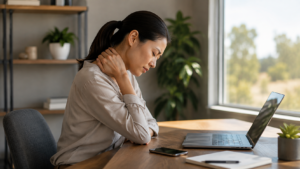
When your lymphatic system becomes sluggish, you may experience:
- Frequent colds or infections
- Bloating or water retention
- Skin breakouts
- Fatigue or brain fog
- Swollen lymph nodes
That’s where lymphatic drainage massage comes in.
How Lymphatic Drainage Massage Works
Manual lymphatic drainage (MLD) was developed in the 1930s by Dr. Emil Vodder. The technique involves light, rhythmic strokes applied in the direction of lymph flow, particularly near lymph node clusters (like those in the neck, armpits, and groin).
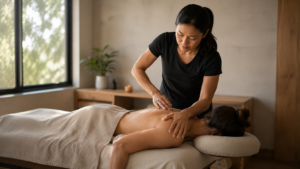
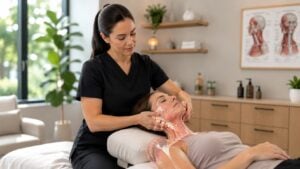
Practitioners use their hands to create wave-like motions, helping push stagnant lymph fluid toward areas where it can be properly filtered and eliminated.
Key characteristics of the massage include:
- Gentle, sweeping motions (not deep pressure)
- Working close to the skin’s surface
- A structured sequence to encourage drainage from extremities toward the heart
In some cases, therapists may also use specialized tools like dry brushes, cups, or vibration plates to enhance results.
Proven Health Benefits of Lymphatic Massage
4.1 Detoxification & Waste Removal
Lymphatic massage helps flush out toxins, cellular waste, and excess fluids. It’s especially helpful for people exposed to environmental toxins, those recovering from illness, or anyone seeking a holistic detox approach.
4.2 Immune System Boosting
A sluggish lymph system means weakened immunity. By stimulating lymph flow, this massage helps white blood cells travel more efficiently, strengthening your body’s defense against infection, inflammation, and chronic illness.
4.3 Swelling and Lymphedema Relief
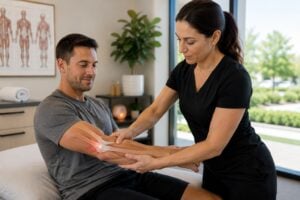
Lymphatic drainage is a frontline treatment for lymphedema which is a chronic swelling due to lymphatic obstruction. It’s also effective for:
- Post-injury swelling
- Pregnancy-related water retention
- Facial puffiness or under-eye bags
4.4 Post-Surgical Recovery Support
After cosmetic or orthopedic surgery, many clients are advised to receive post-surgical lymphatic massage. It:
- Reduces swelling and bruising
- Accelerates tissue repair
- Prevents fluid buildup (seroma)
- Enhances comfort and mobility
This is especially valuable for procedures like liposuction, tummy tucks, or joint replacements.
4.5 Hormonal & Digestive Balance
By reducing inflammation and stimulating the parasympathetic nervous system, lymphatic massage can also help:
- Ease PMS and perimenopause symptoms
- Support thyroid function
- Relieve constipation and bloating
Lymphatic Drainage vs. Other Massage Techniques
| Technique | Pressure Level | Focus Area | Benefits |
|---|---|---|---|
| Lymphatic Drainage | Very light | Lymph flow & immune system | Detox, swelling relief, immune support |
| Swedish Massage | Light-medium | Muscles & circulation | Relaxation, general wellness |
| Deep Tissue Massage | Deep | Muscle tension & fascia | Pain relief, posture, athletic recovery |
| Sports Massage | Variable | Injury-prone areas | Performance boost, injury prevention |
Lymphatic massage is ideal for clients who want therapeutic effects without intense pressure.
Who Should Consider Lymphatic Massage?
Lymphatic massage isn’t just for those with health issues. It’s beneficial for:
- Individuals with sluggish metabolism or chronic fatigue
- People prone to infections or seasonal illness
- Post-surgical or post-cosmetic patients
- Athletes seeking faster recovery
- Anyone wanting to detox gently and naturally
Note: People with certain medical conditions (e.g., active infections, congestive heart failure, blood clots) should consult their physician before scheduling.
What to Expect During a Session
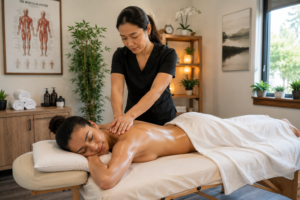
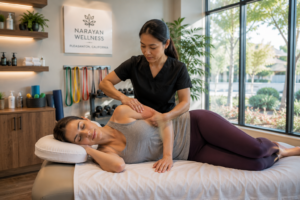
In a typical session at Narayan Wellness Inc. in Pleasanton, here’s what clients can expect:
- A calm, serene setting that promotes deep relaxation
- The therapist will ask about health history and goals
- Treatment begins with opening key lymph nodes (neck, armpits)
- Gentle strokes follow a precise, medically-informed rhythm
- Most clients report feeling lighter and more energized afterward
Sessions typically last 45 to 90 minutes and may be part of a larger wellness plan.
Aftercare: How to Support Your Results at Home
To maximize results, we recommend the following post-massage practices:
- Hydrate generously — your body needs water to flush toxins
- Light movement — gentle walking stimulates lymph flow
- Dry brushing — boosts skin health and circulation (external link)
- Avoid alcohol or processed food for 24-48 hours
- Use herbal teas like dandelion or nettle for gentle detox support
Why Lymphatic Drainage Massage Is Gaining Popularity in Pleasanton
Pleasanton residents are increasingly turning to lymphatic drainage as part of a preventative and holistic lifestyle. With growing awareness around gut health, inflammation, and immune resilience, this technique is now seen as more than just a beauty treatment, it’s a therapeutic essential.
Whether you’re recovering from surgery, managing stress, or simply want to glow from the inside out, this massage offers a non-invasive, deeply effective solution.
Finding a Certified Lymphatic Drainage Massage Therapist
Not all massage therapists are trained in lymphatic techniques. Look for:
- Certification in Manual Lymphatic Drainage (MLD) or Vodder technique
- Knowledge of anatomy, inflammation, and immune function
- Clean, supportive environment (like Narayan Wellness Inc.)
- Positive reviews and client testimonials
At Narayan Wellness, our therapists are trained in both traditional and medical massage protocols to offer safe, personalized treatments.
The Science Behind Manual Lymphatic Drainage (MLD)
Manual Lymphatic Drainage (MLD) is grounded in medical science, originally pioneered by Dr. Emil Vodder in the 1930s. The technique operates on the understanding that the lymphatic system is a low-pressure system that needs external support to function optimally, especially in stagnant or congested states. MLD uses a sequence of specific hand movements that stimulate lymph flow by increasing the frequency and amplitude of lymphatic vessel contractions, enhancing lymphangiomotoricity.
Research published in the “Journal of Lymphology” shows that MLD improves both superficial and deep lymphatic movement, reduces edema, and activates parasympathetic nervous response, making it a dual-action therapy that addresses both physical and neurological health. By combining anatomical knowledge with a precise rhythm, therapists can direct lymph flow from overloaded areas to healthy regions for filtration.
MLD has also been integrated into European medical protocols for treating lymphedema, chronic venous insufficiency, and post-cancer recovery, further legitimizing it in both clinical and wellness settings.
Lymphatic Drainage for Skin Health & Anti-Aging
A growing number of clients seek lymphatic drainage massage for aesthetic purposes, particularly to enhance skin health and delay visible signs of aging. When lymph becomes stagnant, waste materials and fluid retention can accumulate in the skin’s interstitial spaces, leading to puffiness, dull complexion, and even acne flare-ups.
By promoting detoxification and circulation, lymphatic massage brightens the skin, tightens connective tissue, and reduces under-eye bags. Increased oxygenation nourishes skin cells, while reduced inflammation can help manage rosacea, eczema, and hormonal breakouts.
In cosmetic clinics, lymphatic massage is often paired with facials or post-surgical aesthetic procedures to enhance healing, reduce scarring, and achieve a lifted, radiant appearance naturally. This non-invasive technique serves as an inside-out skincare strategy.
Integrating Lymphatic Massage into a Detox Program
Lymphatic drainage can be a cornerstone of any structured detox or cleanse protocol. When paired with dietary adjustments, herbal support, infrared sauna, and colon hydrotherapy, lymphatic massage helps mobilize and remove toxins that may otherwise recirculate.
During detoxification, the liver, kidneys, and skin work overtime to process metabolic waste. The lymphatic system acts as a filtration network but can become congested, slowing progress and causing symptoms like headaches, fatigue, or breakouts. A series of MLD sessions can mitigate these side effects by accelerating waste removal.
Optimal detox programs that include lymphatic therapy often feature:
- Clean eating or juice fasting
- Liver-supportive herbs like milk thistle
- Hydration with electrolytes
- Epsom salt baths
- Breathwork and movement (e.g., yoga, rebounding)
Adding lymphatic drainage helps tie all these elements together into a cohesive healing plan.
Lymphatic Health and Chronic Inflammation
Chronic inflammation is at the root of numerous modern diseases, from arthritis and fibromyalgia to cardiovascular and autoimmune conditions. When lymph flow is sluggish, inflammatory cytokines accumulate in tissues, perpetuating discomfort and dysfunction.
Lymphatic drainage massage plays a role in modulating the immune system by clearing these waste products and reducing tissue congestion. Studies have shown that regular MLD can decrease pro-inflammatory markers like C-reactive protein (CRP) and improve overall cytokine balance.
Clients dealing with chronic pain often find lymphatic therapy provides relief beyond conventional massage. By focusing on systemic inflammation rather than just muscular tightness, MLD addresses a deeper layer of wellness. This is especially impactful for clients managing multiple inflammatory triggers such as diet, stress, and environmental exposure.
Massage for Lymphatic Health in Autoimmune Conditions
Autoimmune disorders like lupus, rheumatoid arthritis, Hashimoto’s, and multiple sclerosis can severely affect the lymphatic system. Immune system dysregulation often leads to swollen lymph nodes, systemic inflammation, and toxin buildup which are factors that lymphatic drainage massage directly addresses.
Many clients with autoimmune conditions report:
- Reduced joint swelling
- Improved energy levels
- Better sleep
- Decreased frequency of flare-ups
Therapists working with autoimmune clients must use gentle protocols and consider flare-up cycles, energy reserves, and co-occurring sensitivities. Consistent lymphatic support is often used as a maintenance therapy alongside integrative approaches like functional medicine, nutritional therapy, and acupuncture.Lymphatic Drainage and Women’s Health
The female lymphatic system plays a crucial role in hormonal balance, reproductive health, and monthly detoxification. Conditions such as endometriosis, fibrocystic breasts, menstrual irregularities, and menopausal transitions can all benefit from lymphatic massage.
MLD is particularly effective in easing:
- Breast tenderness and swelling
- PMS symptoms
- Water retention during the luteal phase
- Pelvic congestion and cramping
Prenatal and postnatal lymphatic massage is also becoming popular as a gentle way to reduce swelling, improve circulation, and support the body’s natural transitions during and after pregnancy. In perimenopausal women, MLD can alleviate hot flashes, mood swings, and fatigue by improving endocrine resilience.
Lymphatic Massage for Athletes & Recovery
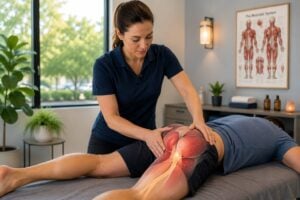
Athletes undergo significant physiological stress from training, competitions, and injuries. Lymphatic massage helps accelerate recovery by:
- Clearing metabolic waste (lactic acid, urea)
- Reducing inflammation
- Preventing overuse injury swelling
- Enhancing nutrient delivery to tissues
When used between training cycles or during deload weeks, MLD helps maintain high performance while preventing burnout. It’s also used as a recovery strategy in physical therapy programs for post-ACL repair, rotator cuff injuries, or surgery-related downtime.
Professional sports teams and Olympians increasingly integrate MLD into recovery protocols, recognizing that lymphatic health supports both performance and resilience.
DIY Lymphatic Support: Tips & Tools for At-Home Wellness
In between sessions, clients can support their lymphatic system at home using simple, natural techniques:
- Dry brushing: Stimulates lymph flow and exfoliates skin
- Rebounding: Gentle jumping on a mini-trampoline to activate lymphatic valves
- Hydration: Adequate water intake keeps lymph fluid thin and mobile
- Contrast showers: Alternating hot and cold improves circulation
- Self-massage: Using light strokes on neck and collarbone area
- Herbal teas: Nettle, dandelion, and red clover promote lymph flow
These self-care rituals enhance the effects of professional MLD and make lymphatic health a daily habit.
The Mind-Body Connection: Lymphatic Flow and Stress
Stress constricts lymphatic flow just as it does with blood circulation. Cortisol and adrenaline can reduce the movement of lymph and impair detoxification. Lymphatic massage promotes relaxation, activates the parasympathetic nervous system, and signals the body it’s safe to release stored tension and toxins.
This neurolymphatic feedback loop explains why many clients feel not only physically lighter but also emotionally clearer after a session. Chronic stress-related symptoms like insomnia, anxiety, and brain fog often improve as lymphatic movement increases.
Some practices combine MLD with breathwork, meditation, or aromatherapy to maximize this mind-body synergy and create a deeply restorative experience.
The Future of Lymphatic Therapy in Integrative Medicine
Lymphatic massage is poised to become a key pillar in future wellness protocols, especially as more research confirms its systemic benefits. Functional medicine doctors, naturopaths, and integrative oncologists are beginning to include MLD in treatment plans for detox, immune regulation, and recovery.
Emerging innovations may include:
- AI-guided lymphatic mapping for personalized massage protocols
- Wearable tech to track lymphatic flow and inflammation
- Integrative recovery centers offering MLD alongside IV therapy, PEMF, and hyperbaric oxygen
As the wellness industry shifts toward root-cause healing and preventative care, lymphatic therapy will continue to rise as a gentle but powerful tool for whole-body health.
Final Thoughts: A Holistic Boost for Body & Mind
In a world filled with toxins, stress, and overstimulation, your lymphatic system often bears the burden. Lymphatic drainage massage is a gentle yet powerful way to press reset, reducing inflammation, boosting immunity, and clearing stagnant energy that weighs you down.
Whether you seek better health, beauty from within, or simply a deeper state of wellness, this modality offers something truly transformative.
FAQs
Is lymphatic drainage massage good for immune system health?
Yes, by increasing lymph flow, this massage enhances white blood cell circulation, strengthening immune defenses naturally.
How often should you get lymphatic drainage massage?
For general wellness, 1–2 times per month is effective. Post-surgical or detox plans may require weekly sessions.
Can lymphatic massage help with water retention?
Absolutely. It reduces bloating and fluid buildup by stimulating your body’s natural drainage pathways.
Is lymphatic drainage safe after surgery?
Yes, when performed by a trained professional, it’s one of the most recommended recovery therapies for cosmetic and orthopedic surgeries.