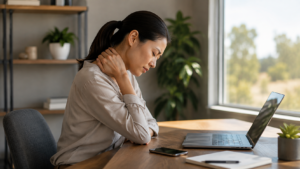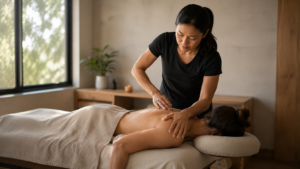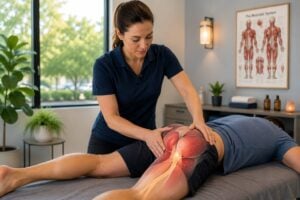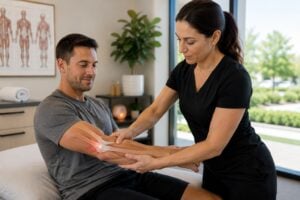
Cupping therapy is an ancient healing modality that’s rapidly gaining traction in modern wellness circles. Once viewed as an alternative treatment, it’s now embraced by professional athletes, celebrities, and health-conscious individuals seeking natural pain relief and relaxation. At Narayan Wellness in Pleasanton, cupping therapy is offered as a powerful, holistic tool to reduce muscle tension, detoxify the body, and promote deep healing.
A Brief History: From Ancient Practice to Modern Healing
Cupping has deep roots in Traditional Chinese Medicine (TCM), dating back over 2,000 years. Ancient texts describe its use in Egypt, Greece, and the Middle East. In each culture, the goal was the same: to move stagnant blood and energy, or “qi,” to restore balance and vitality. Today, modern therapists blend traditional techniques with contemporary tools to bring time-tested healing into today’s wellness spaces.
How Cupping Therapy Works
Cupping involves placing special cups on the skin to create suction. This negative pressure gently pulls skin and underlying tissue upward, drawing blood to the surface, improving circulation, and stimulating lymphatic drainage. The therapy works on both a physical and energetic level, helping to loosen fascia, release muscle knots, and unblock energetic stagnation.
Types of Cupping Techniques Used Today
Dry Cupping
Dry cupping uses suction alone and is the most common form. Cups may be made of glass, plastic, or silicone and are applied for 5–20 minutes to targeted areas.
Wet Cupping
Wet cupping involves small skin incisions followed by cupping to remove a small amount of blood. This technique is believed to remove toxins and is typically used in traditional medical settings under sterile conditions.
Fire Cupping
In fire cupping, a flame is used briefly inside a glass cup to create suction as the flame consumes the oxygen. The warm glass is then placed on the skin, drawing the skin upward. It requires expert hands and is prized for its warming, invigorating effect.
Silicone & Vacuum Cupping
Modern tools include vacuum pumps and silicone cups, which allow better control of pressure and movement. These are often used in massage therapy for gliding techniques and less intense applications.
Health Benefits of Cupping Therapy
Pain Relief
Cupping increases blood flow to sore areas, helping relieve chronic pain, particularly in the neck, shoulders, back, and legs.
Improved Circulation
Enhanced circulation boosts healing and reduces inflammation, speeding up recovery from injuries.
Reduced Inflammation
By drawing out stagnant fluids and encouraging lymphatic movement, cupping helps manage inflammatory conditions.
Detoxification
Cupping supports the body’s natural detox systems by promoting lymphatic drainage and cellular waste removal.
Muscle Recovery
Athletes use cupping to ease soreness and speed muscle repair post-workout.
Stress and Anxiety Relief
The relaxing nature of the treatment and its effect on the nervous system makes it helpful for managing mental tension.
What to Expect During a Cupping Session at Narayan Wellness in Pleasanton
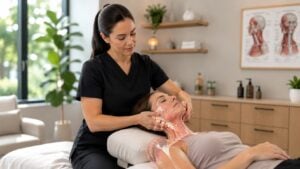
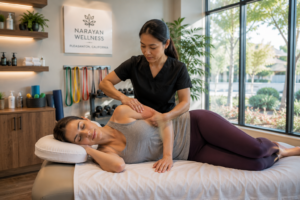
A cupping session begins with a wellness consultation to identify your health goals. You’ll lie comfortably while cups are applied to target areas. Sessions may be quiet and still or incorporate gentle movement. Afterward, circular marks may appear but typically fade in a few days. Clients often report feeling lighter, looser, and more relaxed.
Common Conditions Treated with Cupping
Back and Neck Pain
Cupping loosens tight muscles and relieves pressure on nerves, offering relief from chronic pain.
Migraines and Headaches
Strategic placement on the neck and shoulders can ease headache frequency and severity.
Fibromyalgia
Clients with fibromyalgia may experience reduced muscle pain and improved sleep quality after regular sessions.
Sports Injuries
Cupping is used to treat strains, sprains, and overuse injuries by promoting healing and reducing inflammation.
Respiratory Issues
Used on the chest or upper back, cupping can help clear congestion and ease breathing in conditions like asthma and bronchitis.
Cupping Therapy vs. Other Bodywork Modalities
Unlike massage, which compresses tissue, cupping lifts and separates it, providing a unique decompressive effect. It pairs well with massage therapy, acupuncture, and physical therapy, enhancing outcomes and deepening the body’s response to healing.
Safety, Side Effects, and Aftercare
Cupping is generally safe when performed by trained professionals. Possible side effects include temporary bruising, mild discomfort, or fatigue. Aftercare may involve staying hydrated, avoiding strenuous activity, and keeping the area warm. At Narayan Wellness, safety and hygiene are paramount, ensuring a clean and therapeutic environment.
Cupping in Pleasanton: A Local Wellness Trend
As more people in Pleasanton seek natural and effective ways to manage stress and pain, cupping therapy has become a go-to solution. Narayan Wellness Inc. is at the forefront, offering personalized sessions tailored to your health journey. Whether you’re new to cupping or a seasoned fan, the team ensures a welcoming and supportive experience.
Is Cupping Right for You? Who Should Try It
Cupping is suitable for most adults, especially those with chronic pain, stress, or sports-related concerns. However, it’s not recommended for individuals with certain health conditions like bleeding disorders or severe skin sensitivities. A consultation helps determine if cupping fits your needs.
The Science Behind Cupping: What Research Shows
Modern research into cupping has revealed its effectiveness for chronic pain, myofascial release, and sports recovery. Several studies published in peer-reviewed journals indicate significant improvements in musculoskeletal complaints. Mechanisms suggested include enhanced blood flow, immune modulation, and neurological benefits through activation of sensory pathways.
Cupping and Fascia: Releasing Restrictions and Improving Mobility
Fascia, the connective tissue surrounding muscles and organs, can become stiff and restricted. Cupping helps lift and separate fascial layers, breaking down adhesions and promoting greater mobility. This makes it a powerful tool for treating stiffness, postural imbalances, and long-standing restrictions.
Combining Cupping with Massage Therapy: A Synergistic Approach
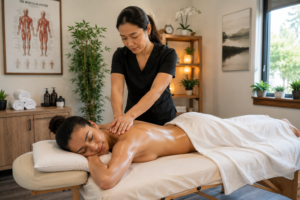
At Narayan Wellness, combining cupping with massage amplifies healing. Massage relaxes and warms the muscles, while cupping decompresses tissues and increases blood flow. Together, they address tension from multiple angles, offering a deeper and longer-lasting result.
Energy Flow and Qi: The Traditional Chinese Medicine Perspective
From a TCM standpoint, cupping clears blocked qi (energy) pathways, restoring flow and harmony. Areas of stagnation are seen as causes of pain or illness. By removing these energetic blockages, the body returns to its natural state of balance.
Cultural Practices: How Cupping Differs Around the World
In the Middle East, cupping (Hijama) is a spiritual and detoxifying practice. In Korea, it’s part of Sasang typology. In Latin America, “ventosas” are used for colds. Exploring cultural differences reveals cupping’s adaptability and shared healing goals across civilizations.
Cupping for Women’s Health: PMS, Menopause, and Fertility Support
Cupping supports hormonal regulation, making it beneficial for menstrual discomfort, menopausal symptoms, and fertility challenges. Strategically placed cups can stimulate reproductive reflex zones, improve circulation to the pelvic region, and reduce systemic inflammation.
The Psychological Impact: Mind-Body Benefits of Cupping
Beyond physical relief, cupping can reduce anxiety, support emotional release, and promote body awareness. The stillness and therapeutic touch help regulate the nervous system, fostering deep mental and emotional shifts.
Athlete Spotlight: Why Pro Sports Embrace Cupping
From Michael Phelps to Olympic sprinters, athletes use cupping for performance optimization, muscle recovery, and injury prevention. Its ability to boost circulation and clear metabolic waste makes it a staple in many training regimens.
Beyond the Physical: Energetic Blockages and Emotional Release
Practitioners often observe emotional release during cupping, especially in areas associated with trauma or chronic tension. These somatic experiences reflect the deep mind-body connection cupping can facilitate.
Cupping for Immune Support and Seasonal Health
Cupping stimulates the lymphatic system, helping the body fend off infections and seasonal illness. It’s particularly useful in early fall and spring to boost immunity and clear congestion.
Pediatric Cupping: Safe Applications for Children
With proper adjustments, cupping can be used to treat pediatric conditions like asthma, colic, and growing pains. Gentle suction and brief application times make it safe and effective under expert care.
Gua Sha vs. Cupping: Which Is Right for You?
Gua Sha involves scraping the skin to release stagnation, while cupping lifts tissue through suction. Both techniques have their merits, and choosing depends on treatment goals, sensitivity, and personal preference.
Exploring Wet Cupping: Hijama and Its Cultural Significance
Wet cupping is deeply rooted in Islamic healing traditions and is believed to remove “bad blood.” It’s regulated in many countries and used for both spiritual and physical health purposes. Hijama is typically done on specific dates following lunar calendars.
Preparing for Your First Cupping Appointment: Tips & Expectations
Stay hydrated, avoid heavy meals beforehand, and arrive relaxed. Wear comfortable clothing, and communicate openly with your therapist. Afterward, rest and hydrate to support your body’s healing response.
Myths and Misconceptions About Cupping Therapy
Common myths include: “It’s painful,” “It’s pseudoscience,” or “Only athletes use it.” In reality, cupping is safe, evidence-supported, and suitable for many people, not just elite performers.
Creating a Wellness Plan with Cupping as a Core Modality
Cupping fits beautifully into a broader wellness strategy. Combined with nutrition, movement, and stress management, it enhances body resilience and prevents disease. Regular sessions can become an anchor in your self-care routine.
The Role of Breathwork During and After Cupping Sessions
Breathing deeply during cupping enhances its benefits by oxygenating tissues and calming the nervous system. Post-session breathwork integrates the experience and helps maintain a relaxed state.
Future of Cupping: Innovation, Trends, and Integration in Modern Clinics
The future of cupping includes digital tracking tools, smart cups with pressure sensors, and growing acceptance in integrative medicine. As demand grows, expect more innovations blending ancient wisdom with modern tech.
Final Thoughts: Integrating Cupping into Your Wellness Routine
Cupping therapy offers a compelling blend of ancient wisdom and modern healing. From pain relief to detoxification, it supports the body’s innate ability to restore balance. At Narayan Wellness in Pleasanton, cupping is more than a trend, it’s a trusted therapeutic path for those seeking lasting wellness in a holistic, nurturing space.
FAQs
What does cupping therapy do for the body?
Cupping therapy boosts circulation, reduces muscle tension, promotes detoxification, and helps alleviate pain and inflammation naturally.
Is cupping therapy painful?
Most clients describe cupping as relaxing. Some mild discomfort may occur from suction or post-session marks, but it typically subsides quickly.
How long do cupping marks last?
Cupping marks usually fade within 3 to 7 days. They are not bruises but signs of increased blood flow and healing activity.
How often should I get cupping therapy?
For chronic pain or stress, weekly sessions may be recommended. For general wellness, monthly treatments can be beneficial.
Can cupping therapy help with anxiety or stress?
Yes! Cupping activates the parasympathetic nervous system, promoting deep relaxation and emotional calm.