Cancer recovery extends far beyond chemotherapy, surgery, and radiation. It’s a multidimensional journey that involves restoring physical strength, emotional balance, and inner peace. As medical treatments become more sophisticated, the need for integrative, human-centered support grows and massage therapy is emerging as a powerful ally in this space.
In Pleasanton and beyond, cancer survivors are discovering that touch-based therapy offers more than comfort. It provides deep relief, helps regulate the nervous system, and supports the body’s natural healing mechanisms. This blog explores how massage therapy can safely and effectively support cancer recovery.
What is Oncology Massage?
Oncology massage is a specialized form of therapeutic massage designed specifically for people undergoing or recovering from cancer treatment. Unlike deep tissue or sports massage, oncology massage uses modified techniques that account for:
- Fragile immune systems
- Lymph node removal
- Tumor sites or surgical scars
- Chemotherapy ports or radiation burns
- Fatigue and emotional vulnerability
These sessions are gentle, highly individualized, and delivered by therapists trained to work with cancer patients at all stages.
Why Massage Matters in Cancer Recovery
Cancer survivors face numerous physical and emotional aftereffects, including:
- Chronic pain
- Anxiety or depression
- Poor circulation
- Fatigue
- Insomnia
- Lymphedema
Massage therapy can help address these issues naturally. According to research published in the Journal of Pain and Symptom Management, massage significantly reduced pain, nausea, and anxiety in cancer patients. But beyond symptom relief, massage can offer patients a renewed sense of body ownership and peace.
Gentle Techniques Tailored for Cancer Patients
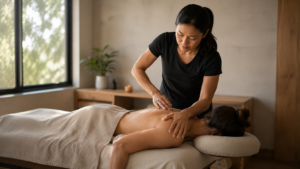
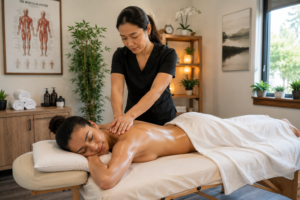
The goal is not pressure, but presence. Massage therapists trained in oncology methods use:
- Light effleurage strokes to promote circulation without stressing tissues
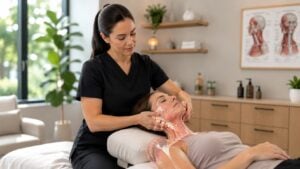
- Manual lymphatic drainage to assist detoxification and reduce swelling
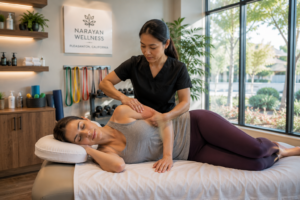
- Gentle stretching to improve mobility
- Comfort positioning with bolsters and pillows
- Breathwork syncing to calm the nervous system
Each session is tailored to the patient’s current state whether they’re newly diagnosed, in remission, or years post-treatment.
Emotional Healing and Human Connection
One of the most underrated benefits of massage therapy is emotional support. After cancer, many patients feel disconnected from their bodies. Some experience body image issues or medical PTSD.
Massage can gently reintegrate the body-mind connection. The act of being touched with care and without judgment fosters:
- Trust and safety
- Grounded presence
- Emotional expression
- Self-acceptance
Therapists often act as emotional anchors, offering a calm, compassionate presence that encourages relaxation and healing.
Lymphatic Support and Immune Function
Cancer treatments often compromise the lymphatic system. Surgical removal of lymph nodes or radiation can cause lymphedema which is a painful swelling in the limbs. Oncology massage incorporates lymphatic drainage techniques that:
- Reduce lymphedema
- Encourage fluid movement
- Support detoxification
- Promote immune resilience
This is especially important in post-treatment recovery when the body is trying to recalibrate and flush out toxins.
Addressing Fatigue, Pain, and Sleep Issues
Fatigue is one of the most common and debilitating side effects of cancer treatment. Unlike normal tiredness, cancer-related fatigue doesn’t always improve with rest.
Massage helps by:
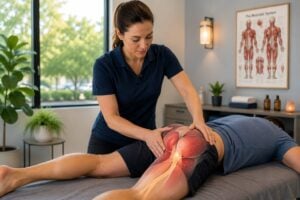
- Enhancing blood flow to fatigued muscles
- Stimulating parasympathetic nervous system (“rest and digest”)
- Reducing cortisol and increasing serotonin
- Easing muscle tension and neuropathic pain
Patients often report better sleep, fewer pain episodes, and a deeper sense of calm after just a few sessions.
Safety Considerations: What Patients Need to Know
While massage is generally safe, it must be adapted carefully for oncology patients. Important precautions include:
- Avoiding deep pressure near tumor sites
- Not massaging directly over chemotherapy ports or radiation areas
- Adjusting session length for energy levels
- Monitoring for lymphedema symptoms
- Ensuring open communication with medical providers
Always work with a therapist who is certified in oncology massage and communicates openly with your healthcare team.
Real Stories: How Clients Benefit from Massage Post-Cancer
Clients of Narayan Wellness in Pleasanton often share powerful stories of transformation:
“Massage helped me reclaim my body after months of feeling like a medical object. It reminded me I was still human, still whole.”
“After each session, I slept better and felt lighter—not just physically, but emotionally too.”
These testimonials reflect the multidimensional healing massage offers not just to the body, but to the soul.
Choosing a Qualified Oncology Massage Therapist
Not all massage therapists are trained to work with cancer survivors. Look for:
- Certification in oncology massage
- Experience working with cancer patients
- Good communication skills and gentle demeanor
- Willingness to collaborate with your healthcare team
At Narayan Wellness, our therapists are not only technically skilled but deeply compassionate, providing a safe, nurturing space for healing.
Integrating Massage with Holistic Cancer Care in Pleasanton
Massage therapy complements other holistic treatments such as:
- Acupuncture
- Nutrition counseling
- Mindfulness and meditation
- Gentle movement therapy (like yoga or tai chi)
Together, these therapies create a more comprehensive support system for recovery. At Narayan Wellness, we believe healing involves the whole person not just the illness.
The History of Massage in Cancer Support
Massage has ancient roots in healing traditions worldwide from Traditional Chinese Medicine to Ayurvedic therapies. However, its role in cancer care began gaining recognition in the late 20th century as Western medicine slowly embraced integrative therapies. Early research by pioneers like Tiffany Field helped bring massage into hospitals, paving the way for its adoption in oncology settings.
Understanding the Mind-Body Connection in Recovery
Scientific studies now validate what holistic healers have long known: the mind and body are deeply interconnected. Massage influences the vagus nerve, promotes parasympathetic activity, and reduces stress hormones linking emotional states with immune and nervous system function.
Pediatric Oncology Massage: Supporting Young Warriors
Children undergoing cancer treatment face immense physical and emotional stress. Pediatric oncology massage uses soft, playful, and nurturing touch to reduce fear, manage pain, and provide emotional comfort. Techniques are age-appropriate and often include parental involvement for added reassurance.
Touch Deprivation After Treatment: Reconnecting Through Massage
Many cancer survivors report feeling isolated or disconnected from their bodies post-treatment. Massage can help address touch deprivation, a real, underrecognized issue, by offering safe, intentional contact that restores a sense of presence, embodiment, and safety.
Aromatherapy & Massage for Cancer Survivors
Essential oils like lavender, chamomile, and frankincense are commonly used during oncology massage to enhance relaxation and mood. When used carefully and appropriately, aromatherapy can amplify the emotional and psychological benefits of massage, helping survivors feel nurtured and calm.
Navigating Grief and Trauma With Therapeutic Touch
Massage therapy offers a non-verbal pathway for expressing and releasing stored grief or trauma related to cancer experiences. For some, tears may flow during a session. This is welcomed as part of emotional release, and skilled therapists create space for whatever arises without judgment.
Massage and Caregiver Burnout: Supporting the Supporters
Caregivers often neglect their own wellbeing while tending to loved ones. Massage helps reduce their physical tension, mental fatigue, and emotional exhaustion, restoring resilience and preventing burnout. Many clinics offer discounted caregiver sessions to support this essential role.
Massage for Chemotherapy-Induced Neuropathy
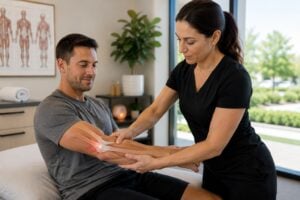
Neuropathy, often a side effect of chemotherapy, causes numbness, tingling, and pain in the hands and feet. Specialized massage techniques can stimulate nerve endings, improve circulation, and reduce discomfort, offering natural relief and hope for those dealing with long-term nerve damage.
Role of Massage in Palliative and End-of-Life Care
In hospice or palliative settings, massage becomes a profoundly compassionate tool. It eases pain, reduces anxiety, and provides meaningful connection in the final stages of life. Gentle touch affirms humanity and dignity when words or treatments fall short.
Adapting Massage for Post-Mastectomy Recovery
After a mastectomy, survivors may experience scarring, tightness, and emotional trauma. Massage helps soften scar tissue, improve range of motion, and rebuild positive body awareness. Therapists work around reconstructed areas and lymph removal sites with great care.
Research Highlights: What Science Says About Oncology Massage
Numerous peer-reviewed studies confirm the benefits of oncology massage, including reduced pain, nausea, and fatigue. Studies from institutions like Memorial Sloan Kettering and Mayo Clinic validate its use as part of evidence-based integrative cancer care.
Cultural Perspectives on Healing Touch in Cancer Care
Different cultures hold diverse beliefs about healing touch. From Reiki in Japan to reflexology in Egypt, massage intersects with spiritual and traditional practices. Honoring these perspectives can help therapists deliver culturally sensitive care that respects individual beliefs and traditions.
Financial Accessibility and Insurance Options for Oncology Massage
Cost is a common barrier to regular massage. While insurance rarely covers it directly, some cancer centers offer subsidized programs or include it under integrative health services. Patients should explore flexible spending accounts (FSAs), grants, and community-based wellness resources.
How to Create a Safe, Healing Environment for Recovery Massage
The physical setting for oncology massage matters deeply. Soft lighting, warm linens, soothing music, and aromatherapy help create a sanctuary where patients feel safe and held. Safety also includes hygiene practices, intake protocols, and emotional boundaries.
The Therapist’s Perspective: Holding Space for Healing
Oncology massage therapists often describe their work as sacred. They are witnesses to vulnerability, strength, and transformation. Their role extends beyond technique—into presence, intuition, and the ability to hold space for whatever arises in the client’s healing journey.
Future of Integrative Oncology: Where Massage Fits In
The future of cancer care is integrative. As more hospitals adopt holistic models, massage therapy will play an even larger role in patient recovery, survivorship, and palliative support. Collaboration between oncologists and massage therapists will be key to evolving cancer care paradigms.
Final Thoughts: Nurturing the Body, Heart, and Spirit
Cancer may leave scars, but it also reveals strength. Recovery isn’t about returning to who you were—it’s about becoming someone new, whole, and deeply connected to yourself.
Massage therapy supports this process not just by easing symptoms, but by reminding you that you are worthy of care, presence, and peace.
FAQs
Is massage safe for cancer patients?
Yes, when performed by a trained oncology massage therapist, it’s safe and beneficial for managing pain, fatigue, and emotional stress.
What are the benefits of lymphatic massage after cancer treatment?
Lymphatic massage helps reduce swelling, support detoxification, and promote immune system balance.
Can massage help with cancer-related fatigue?
Absolutely. It increases circulation, relaxes the nervous system, and improves sleep—all of which help reduce fatigue.
How often should a cancer survivor get a massage?
This depends on the individual’s condition, but many benefit from weekly or bi-weekly sessions during recovery.