In an age of digital overload, relentless schedules, and emotional burnout, many are seeking natural, non-invasive ways to restore balance. While meditation apps and fitness fads come and go, one ancient healing modality has quietly persisted which is Shiatsu massage.
More than just a relaxation technique, Shiatsu integrates the wisdom of Traditional Chinese Medicine (TCM) with hands-on therapeutic pressure, promoting balance, vitality, and calm. In places like Pleasanton, California, where wellness and technology intersect, Shiatsu massage is making a powerful comeback as a tool for resilience in modern life.
What Is Shiatsu Massage?
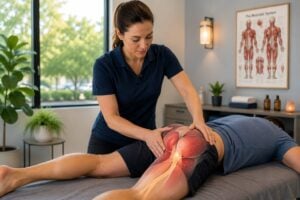
Shiatsu (指圧), meaning “finger pressure” in Japanese, is a form of bodywork rooted in Japanese massage therapy and Traditional Chinese Medicine. Rather than rubbing muscles like in Swedish massage, Shiatsu practitioners apply firm, rhythmic pressure along specific energy meridians using thumbs, palms, elbows, and even knees.
This pressure stimulates the body’s natural healing ability by:
- Improving energy flow (Qi)
- Releasing muscular tension
- Restoring emotional equilibrium
- Encouraging overall wellness
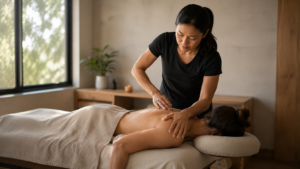
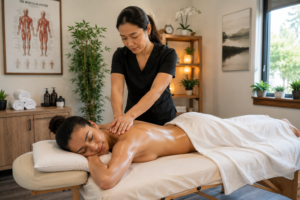
Shiatsu is performed fully clothed on a mat or low massage table, emphasizing stillness, breath, and presence.
The Philosophy Behind Shiatsu: Energy, Meridians & Balance
At the heart of Shiatsu lies the concept of Qi (life energy). Qi flows through pathways called meridians, each connected to specific organs and emotional states. When this flow is disrupted, due to stress, poor diet, lack of sleep, or trauma, we feel out of sync, emotionally and physically.
Shiatsu aims to:
- Unblock stagnant Qi
- Tonify deficient areas
- Sedate overactive regions
By restoring energetic balance, the body and mind can return to their natural state of harmony — a principle called homeostasis in Western terms.
How Shiatsu Massage Works: Core Techniques
Unlike more mainstream massage techniques, Shiatsu is precise, minimal, and intentional. Some of its techniques include:
- Static pressure: Sustained pressure on meridians to stimulate energy flow
- Joint mobilization: Gentle rocking or stretching to increase flexibility
- Palm kneading: Soft yet deep pressure using the palms
- Thumb pressing: Targeting acupressure points to relieve blockages
- Rotational stretches: Improving circulation and range of motion
Sessions typically follow a diagnostic flow, where the practitioner senses where Qi is unbalanced, through touch, posture, and pulse, and customizes treatment accordingly.
Shiatsu for Stress Relief: A Mind-Body Approach
In Pleasanton and other bustling urban communities, chronic stress has become a silent epidemic. Shiatsu offers a holistic antidote.
Here’s how Shiatsu addresses stress on multiple levels:
| Level | Impact of Shiatsu |
|---|---|
| Physical | Eases muscle tension, reduces cortisol |
| Emotional | Calms anxiety, soothes emotional unrest |
| Energetic | Unblocks Qi, restores flow and vitality |
| Mental | Increases clarity, reduces overthinking |
Regular Shiatsu sessions can:
- Improve sleep quality
- Reduce anxiety and panic attacks
- Enhance emotional regulation
- Support adrenal health
Unlike one-off treatments, Shiatsu’s effects are cumulative, making it an ideal therapy for those dealing with burnout or chronic tension.
Shiatsu vs. Other Massage Types: What Makes It Unique?
Shiatsu isn’t just a different technique — it’s a different philosophy.
| Type of Massage | Focus | Tools Used | Style |
|---|---|---|---|
| Swedish | Muscle relaxation | Lotion, long strokes | Flowing, gentle |
| Deep Tissue | Fascia and knots | Elbows, fingers | Intense, targeted |
| Thai | Flexibility, energy | Stretching, pressure | Rhythmic, passive yoga |
| Shiatsu | Energy balance, stress | Fingers, palms | Pressure point-based |
Shiatsu’s root in Eastern medicine makes it not just a body treatment, but a whole-person experience, ideal for those seeking healing beyond the physical.
Benefits of Shiatsu Massage Beyond Stress Reduction
While stress relief is the headline, Shiatsu offers a broad range of benefits:
- Digestive support: By stimulating meridians related to the stomach and intestines
- Immune system boost: Via lymphatic drainage and circulation
- Hormonal balance: Especially useful during PMS, menopause, or thyroid imbalance
- Headache relief: Particularly for tension and sinus headaches
- Improved posture: Through awareness and muscle rebalancing
Clients often report feeling centered, grounded, and more resilient after a session.
Is Shiatsu Right for You? Contraindications & Considerations
Shiatsu is generally safe for most people, but some considerations apply:
Avoid Shiatsu if you:
- Have infectious skin conditions
- Are in the early stages of pregnancy (consult your provider)
- Have uncontrolled cardiovascular conditions
- Are undergoing chemotherapy (without MD approval)
Always choose a certified, experienced Shiatsu practitioner, especially when dealing with chronic conditions.
What to Expect During a Shiatsu Massage Session
If it’s your first Shiatsu massage in Pleasanton, here’s what the experience might look like:
- Clothed session: Wear loose, comfortable clothing
- Mat or low table: Expect to lie on a padded mat or futon
- No oil used: Pure pressure techniques only
- Quiet setting: No music, minimal conversation to encourage introspection
- Session length: Typically 60 to 90 minutes
Afterward, clients may feel:
- Deeply relaxed
- Slightly “floaty” or lightheaded
- More aware of posture and breath
Drinking water and resting are encouraged post-session to maximize integration.
Shiatsu Massage in Pleasanton: Local Wellness Insights
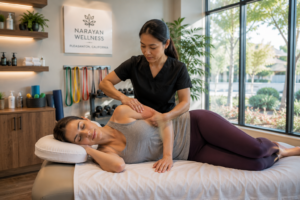
Pleasanton’s health-conscious community is increasingly embracing Shiatsu as part of a broader integrative wellness lifestyle. Many clients at Narayan Wellness Inc. seek Shiatsu to complement:
- Acupuncture treatments
- Functional medicine plans
- Yoga or Tai Chi practice
- Emotional wellness therapies
With rising awareness of the mind-body connection, Shiatsu is positioned as both preventative care and therapeutic relief, particularly for professionals, parents, and caregivers managing high levels of ongoing stress.
The Origins of Shiatsu: A Cultural and Historical Perspective
Shiatsu’s roots lie in Japanese Anma massage, which dates back over 1,000 years. Influenced by Chinese acupuncture theory, Anma involved rhythmic tapping, kneading, and energy-focused handwork.
In the early 20th century, Tokujiro Namikoshi developed what we now recognize as Shiatsu, a more structured, therapeutic system based on Western anatomy and Eastern meridian theory. His student Shizuto Masunaga further refined it, integrating psychological and energetic depth, laying the foundation for Zen Shiatsu.
By blending Eastern philosophies of Qi with Western anatomy, Shiatsu became a bridge between two worlds: appealing to both science-minded clients and holistic healers.
The Meridian System: Unlocking the Body’s Energy Map
Shiatsu’s effectiveness lies in its use of the 12 classical meridians, channels that correspond to vital organ systems and emotional states.
| Meridian | Organ | Associated Emotion |
|---|---|---|
| Lung | Breath, skin | Grief, detachment |
| Liver | Detox, muscle tone | Anger, frustration |
| Stomach | Digestion | Worry, anxiety |
| Heart | Circulation | Joy, connection |
| Kidney | Hormones, adrenals | Fear, fatigue |
These energetic highways are mapped across the body. A Shiatsu practitioner presses along these lines to stimulate or sedate energy — tuning the body’s internal orchestra.
Scientific Evidence: What Research Says About Shiatsu Massage
While Shiatsu may sound esoteric, its effects are backed by growing clinical research:
- A 2015 study in Journal of Integrative Medicine found Shiatsu significantly reduced anxiety and blood pressure after just one session.
- A 2020 study in BMC Complementary Medicine and Therapies showed improvements in sleep quality, emotional regulation, and chronic fatigue.
- Neuroscientific evidence confirms that acupressure stimulates parasympathetic activity, reducing stress hormones like cortisol.
This convergence of tradition and science gives Shiatsu credibility in functional medicine and integrative care models.
Zen Shiatsu vs. Namikoshi Shiatsu: Styles and Differences
There are several styles of Shiatsu, each with unique emphasis:
- Namikoshi Shiatsu: More anatomical and Westernized. Focuses on structure and pain relief.
- Zen Shiatsu (Masunaga style): Deeply intuitive and energetic. Incorporates breath, meridians, and emotional resonance.
- Ohashiatsu: Blends Eastern principles with a more meditative, flowing style. Emphasizes practitioner self-care.
- Five Element Shiatsu: Based on Chinese Five Elements (Wood, Fire, Earth, Metal, Water). Aligns treatment with emotional and seasonal cycles.
In Pleasanton, clients can request specific styles based on whether they want emotional support, injury recovery, or general relaxation.
Shiatsu Massage for Chronic Conditions: Pain, Fatigue & Beyond
Shiatsu isn’t just for stress, it’s gaining traction in managing chronic conditions:
- Fibromyalgia: Reduces hypersensitivity and muscle tension
- Arthritis: Improves joint function without forceful manipulation
- Chronic Fatigue Syndrome (CFS): Supports adrenal regulation and nervous system rest
- IBS and Digestive Issues: Stimulates gut-related meridians
- Endometriosis and PMS: Balances reproductive energy
Shiatsu provides relief without side effects, making it ideal for clients seeking complementary care.
Emotional Intelligence in Shiatsu: The Practitioner’s Role
The best Shiatsu practitioners act as emotional interpreters. They feel for tension, listen to breath rhythms, and observe micro-responses to touch much like reading body language.
This sensitivity helps them:
- Sense energetic stagnation
- Choose points that unlock emotional memories
- Avoid re-traumatization
- Empower clients to feel safe and heard
In this way, Shiatsu becomes more than massage, it becomes a sacred space for emotional processing.
The Breath-Touch Connection: Enhancing Energy Flow
A unique feature of Shiatsu is how it encourages clients to breathe into each point of contact. Practitioners may guide you to inhale deeply as they press, or exhale as tension releases.
Why is this powerful?
- Breath regulates autonomic nervous system
- Breath fuels oxygenation of tissues
- Breath synchronizes with Qi movement
This coherence between breath and touch magnifies Shiatsu’s healing effects.
Integrating Shiatsu with Other Therapies: A Holistic Wellness Plan
Shiatsu fits beautifully into broader wellness plans, especially at integrative clinics like Narayan Wellness Inc. Clients may combine Shiatsu with:
- Acupuncture for energy flow and hormone regulation
- Chiropractic care for structural realignment
- Herbal therapy for internal support
- Therapeutic massage for muscular relief
- Breathwork or Yoga for grounding and expansion
Together, these therapies form a multi-layered defense against stress and illness.
Shiatsu and the Seasons: Adapting to Nature’s Cycles
In Five Element theory, each season relates to a different organ system:
- Spring: Liver & Gallbladder — time for detox, growth
- Summer: Heart & Small Intestine — joy, expansion
- Late Summer: Stomach & Spleen — grounding, digestion
- Autumn: Lung & Large Intestine — grief, letting go
- Winter: Kidney & Bladder — rest, introspection
Shiatsu sessions can be tailored seasonally, helping the body stay in rhythm with nature, just as our ancestors did.
Shiatsu and Trauma Healing: Gentle Somatic Release
Trauma lives in the body, and Shiatsu offers a non-verbal, non-invasive path to release. For trauma survivors:
- Shiatsu avoids direct muscular confrontation
- The touch is slow, stable, and grounding
- Sessions respect body boundaries
- Emotional reactions are held without judgment
Clients often release tears, sighs, or tension which are signs of deep nervous system reorganization.
Shiatsu and Hormonal Balance: Thyroid, PMS & Menopause
The endocrine system thrives on balance and Shiatsu helps regulate:
- Thyroid function by stimulating neck and Kidney meridians
- Menstrual cycles via Liver and Spleen pathways
- Perimenopause and menopause symptoms by calming hot flashes, anxiety, and insomnia
- Cortisol regulation to ease adrenal fatigue
For Pleasanton women navigating hormonal shifts, Shiatsu offers gentle, drug-free support.
Shiatsu for Children and Teens: Emotional Regulation Starts Early
Shiatsu is safe for kids and teens especially those dealing with:
- Anxiety or ADHD
- Sleep disturbances
- Digestive issues
- Academic stress or social overwhelm
Children respond quickly to touch-based therapy. Short, playful sessions help them reset nervous system patterns early, building lifelong resilience.
Corporate Wellness: Shiatsu for Employee Burnout
Progressive companies in Pleasanton are introducing Shiatsu into their employee wellness programs.
Benefits include:
- Reduced absenteeism
- Increased focus and productivity
- Lower healthcare costs
- Improved workplace morale
Chair Shiatsu sessions can be conducted during breaks or as part of wellness retreats, offering ROI-backed stress management.
Shiatsu for Athletes: Recovery, Performance & Injury Prevention
Athletes benefit from Shiatsu in ways beyond relaxation:
- Enhances proprioception
- Reduces delayed-onset muscle soreness (DOMS)
- Boosts flexibility without overstretching
- Supports pre-competition mental clarity
It’s particularly useful before or after events, as Shiatsu works with energetic alignment, not just muscle strain.
Choosing a Shiatsu Practitioner in Pleasanton: What to Look For
Not all massage therapists are trained in Shiatsu. When choosing a practitioner:
- Check for certification (e.g., from AOBTA or NAMT)
- Ask about their training lineage (Namikoshi, Zen, etc.)
- Look for experience with your condition
- Ensure the clinic environment feels safe and peaceful
At Narayan Wellness Inc., clients benefit from integrated care and therapists trained in holistic modalities, not just technique.
FAQs
What is Shiatsu massage good for?
Shiatsu massage is beneficial for stress relief, anxiety, poor circulation, hormonal imbalances, fatigue, and digestive issues. It works by restoring energy flow and balancing the nervous system.
How is Shiatsu different from deep tissue massage?
Shiatsu focuses on energy meridians and uses acupressure techniques, while deep tissue targets muscle knots and fascia with intense pressure. Shiatsu is holistic; deep tissue is muscular.
Is Shiatsu massage painful?
No, Shiatsu uses firm but comfortable pressure. It should feel grounding, not painful. Communication with your practitioner is key to adjusting pressure.
Can Shiatsu help with anxiety and depression?
Yes, Shiatsu promotes parasympathetic activation, calms the mind, and regulates mood through touch, breathwork, and energy balancing.
How often should I get a Shiatsu massage?
For stress management, once every 2–4 weeks is ideal. For chronic issues, weekly sessions may be recommended.