Walking into your first massage appointment can feel a little like stepping into the unknown.
Will it hurt?
Do you have to talk?
What if it’s awkward?
These are completely normal thoughts and you’re not alone in having them.
The truth is, your first massage is less about perfection and more about experience. It’s the beginning of understanding how your body responds to therapeutic touch, how tension melts away, and how intentional relaxation can transform both your physical and mental well-being.
Whether you’re seeking relief from pain, stress reduction, or simply curiosity, this guide will walk you through exactly what to expect during your first massage, so you can walk in feeling confident and walk out feeling renewed.
What Is Massage Therapy? A Quick Overview
Massage therapy is the practice of manipulating soft tissues, muscles, fascia, tendons, and ligaments, to improve overall health and well-being.
Think of it as a reset button for your body.
From relieving chronic tension to improving circulation and calming your nervous system, massage therapy blends science and human touch in a way few treatments can.
Common First-Time Concerns (And Why They’re Normal)
Let’s address the elephant in the room, which is first-time anxiety.
Many clients worry about:
- “What if I don’t know what to do?”
- “Do I have to take all my clothes off?”
- “What if I feel uncomfortable?”
Here’s the reality: massage therapists are trained professionals whose job is to make you feel safe, respected, and comfortable at all times.
You are always in control of your experience.
How to Prepare for Your First Massage
Preparation is simple, but it can make a big difference.
Before You Go:
- Stay hydrated
- Avoid heavy meals right before your session
- Arrive 10–15 minutes early
- Wear comfortable clothing
Mental Preparation Matters Too
Think of your massage like entering a quiet space where your only job is to let go.
No performance. No expectations.
What Happens When You Arrive
When you arrive at a wellness center like Narayan Wellness in Pleasanton, you’ll notice something immediately:
The environment is intentionally calming.
Soft lighting. Gentle music. A slower pace.
You’ll typically:
- Check in at the front desk
- Fill out a short health intake form
- Wait briefly before your therapist greets you
The Consultation: Customizing Your Experience
Before your session begins, your therapist will ask questions like:
- What brings you in today?
- Are you experiencing pain or tension?
- What pressure do you prefer?
This is your opportunity to be honest.
The more your therapist knows, the more personalized, and effective, your massage will be.
During the Massage: Step-by-Step Walkthrough
Let’s walk through what actually happens.
Step 1: Getting Settled
Your therapist will leave the room while you:
- Undress to your comfort level
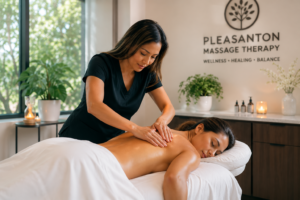
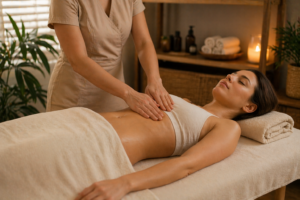
- Lie on the massage table under a sheet
You are always fully draped except for the area being worked on.
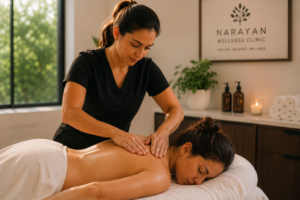
Step 2: The Massage Begins
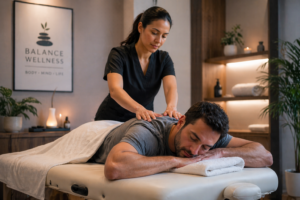
The session usually starts gently, allowing your body to relax.
As the massage progresses:
- Pressure may increase depending on your preference
- Muscles begin to release tension
- Your breathing naturally slows
Many people enter a deeply relaxed, almost meditative state.
Step 3: Focus Areas
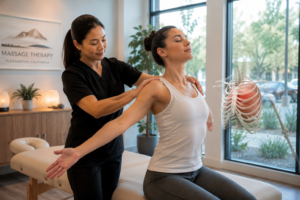
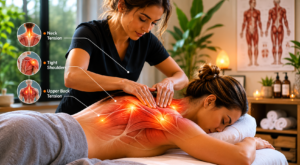
Your therapist may spend more time on areas like:
- Neck and shoulders
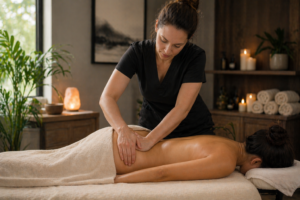
- Lower back
- Legs and hips
Especially if you mentioned discomfort during consultation.
Step 4: Finishing the Session
The massage gradually slows, giving your body time to transition out of deep relaxation.
This gentle ending is intentional, it helps your nervous system recalibrate.
Understanding Different Massage Techniques
Not all massages feel the same.
Here are a few you might encounter:
Swedish Massage
- Light to moderate pressure
- Ideal for relaxation
Deep Tissue Massage
- Focuses on deeper muscle layers
- Great for chronic tension
Sports Massage
- Targets performance and recovery
Your therapist may blend techniques based on your needs.
Communication: What You Should (and Shouldn’t) Say
Communication is key.
You should absolutely speak up if:
- The pressure is too strong or too light
- You feel discomfort
- You’re too hot or cold
This is your session so your comfort matters.
After the Massage: What to Expect Physically & Mentally
After your session, you may feel:
- Deep relaxation
- Slight soreness (similar to a workout)
- Increased mobility
- Mental clarity
Pro Tip:
Drink water afterward to help flush out metabolic waste released during the massage.
Massage Etiquette for First-Timers
Let’s clear up a few unspoken rules:
- Arrive on time
- Silence your phone
- Respect the therapist’s professionalism
- Tipping is appreciated but not mandatory
How Often Should You Get a Massage?
It depends on your goals.
- For stress relief: once a month
- For chronic pain: weekly or bi-weekly
- For maintenance: every 3–6 weeks
Consistency is where the real benefits begin.
Key Benefits You’ll Notice After Your First Session
Even after one massage, many people experience:
- Reduced muscle tension
- Better sleep
- Lower stress levels
- Improved mood
Massage is not just a luxury, it’s a powerful wellness tool.
What NOT to Do Before Your First Massage
While preparation can enhance your experience, there are also a few things you’ll want to avoid to ensure your massage is as effective and comfortable as possible.
Avoid Eating a Heavy Meal
A full stomach can make lying face down uncomfortable. Instead, opt for a light meal at least 1–2 hours before your session.
Don’t Arrive Rushed or Stressed
If you rush in, your nervous system is already heightened. Arriving early allows your body to begin relaxing before the session even starts.
Skip Alcohol Before Your Appointment
Massage increases circulation and lymphatic flow. Alcohol can interfere with this process and may leave you feeling dehydrated or lightheaded.
Avoid New Skincare Products
If you’re sensitive, new lotions or oils could react with massage oils or friction.
How to Choose the Right Massage Therapist in Pleasanton
Not all massage experiences are the same and choosing the right therapist makes all the difference.
Look for Proper Licensing and Experience
Ensure your therapist is certified and trained in multiple modalities. This ensures both safety and effectiveness.
Read Reviews and Testimonials
Look for consistent mentions of:
- Professionalism
- Cleanliness
- Results
Consider Specializations
Some therapists focus on:
- Pain relief
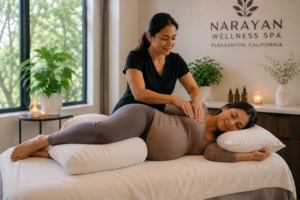
- Prenatal care
- Sports recovery
- Stress reduction
Choosing someone aligned with your goals enhances your outcome.
Understanding Your Body Type and Pressure Preferences
Every body responds differently to touch.
If You’re Highly Sensitive
You may prefer:
- Swedish massage
- Lighter pressure
- Slower techniques
If You Have Chronic Tension
You might benefit from:
- Deep tissue techniques
- Trigger point therapy
- Focused work on problem areas
If You’re Athletic or Active
Your body may respond well to:
- Sports massage
- Stretching techniques
- Faster-paced work
The key is communication and customization.
First Massage for Specific Needs
Your first massage experience can vary depending on your health goals.
For Stress & Anxiety
Expect:
- Gentle, rhythmic strokes
- A calming environment
- Deep nervous system relaxation
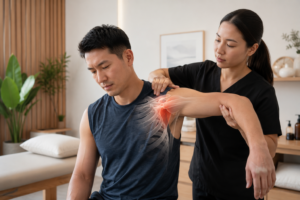
For Pain Relief
Expect:
- Focused work on problem areas
- Occasional discomfort (but never pain beyond tolerance)
- Gradual release of tight muscles
For Injury Recovery
Your therapist may:
- Avoid certain areas
- Use targeted, therapeutic techniques
- Recommend follow-up sessions
Red Flags to Watch For (And When to Speak Up)
A professional massage should always feel safe and respectful.
Red Flags Include:
- Lack of proper draping
- Ignoring your comfort level
- Poor communication
- Unclean environment
If anything feels off, you have every right to end the session immediately.
How Your Nervous System Responds to Massage
Massage is not just physical, it’s neurological.
It activates the parasympathetic nervous system, also known as the “rest and digest” state.
What This Means for You:
- Lower heart rate
- Reduced cortisol (stress hormone)
- Improved digestion
- Better sleep
This is why massage often feels like a full-body reset.
The Emotional Release You Might Not Expect
Some first-time clients are surprised to feel emotional during or after a massage.
This is completely normal.
Your body stores stress not just physically but emotionally.
You Might Experience:
- A sense of lightness
- Sudden calm
- Even tears (rare, but natural)
Massage can unlock more than tight muscles, it can release what your body has been holding onto.
How to Maximize Results After Your First Massage
Your session doesn’t end when you leave the table.
Post-Massage Best Practices:
- Drink plenty of water
- Avoid intense workouts immediately after
- Take a warm shower or bath
- Rest if your body asks for it
Bonus Tip:
Pay attention to how your body feels over the next 24–48 hours. This helps guide future sessions.
Creating a Personalized Massage Routine
One massage feels great. But consistency creates transformation.
Build a Routine Based on Your Goals:
For Stress Relief:
→ Every 3–4 weeks
For Chronic Pain:
→ Weekly or biweekly
For Maintenance & Wellness:
→ Monthly
Think of massage as part of your long-term health strategy, not just an occasional treat.
Why First-Time Clients in Pleasanton Are Turning to Massage Therapy
In fast-paced areas like Pleasanton, stress, long work hours, and sedentary lifestyles are common.
Massage therapy offers a natural, drug-free solution for:
- Chronic tension
- Burnout
- Sleep issues
- Postural strain
More people are realizing that wellness isn’t optional, it’s essential.
Final Thoughts: Turning Your First Massage Into a Wellness Habit
Your first massage is more than just a one-time experience.
It’s an introduction to a new way of caring for your body.
Once you understand what to expect during your first massage, the uncertainty fades and what’s left is something far more powerful:
Relief. Awareness. Balance.
And often, the realization that your body has been asking for this all along.
FAQs
What should I wear to my first massage?
Wear comfortable clothing. You’ll undress to your comfort level during the session.
Will my first massage hurt?
Not necessarily. You can request light, moderate, or deep pressure based on your comfort.
Do I need to talk during the massage?
No. You can relax silently or communicate as needed.
How long is a typical massage session?
Usually 60–90 minutes, depending on your preference.
Is it normal to feel sore after a massage?
Yes, especially after deep tissue work. It typically fades within 24–48 hours.