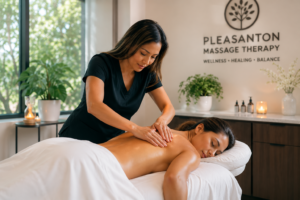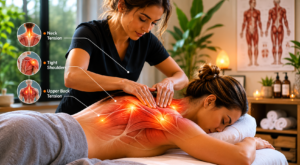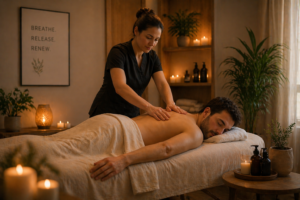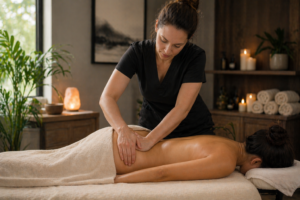
As awareness of neurodiversity grows, so does the demand for alternative therapies that support the unique needs of individuals with conditions like ADHD (Attention-Deficit/Hyperactivity Disorder) and Sensory Processing Disorder (SPD). While traditional treatments such as medication and behavioral therapy remain central, many are turning to complementary approaches that support the mind-body connection. Among the most promising is massage therapy, a hands-on, natural modality that offers deep benefits for both adults and children managing attention and sensory challenges.
This article explores how massage therapy can improve focus, regulate sensory input, and provide lasting relief for neurodivergent individuals.
Understanding ADHD and Sensory Processing Challenges
ADHD is a neurodevelopmental condition that affects executive function, attention span, impulsivity, and often emotional regulation. It’s estimated that over 6 million children in the U.S. alone have been diagnosed with ADHD, and many carry these traits into adulthood.
Sensory Processing Disorder (SPD), though not an official diagnosis in the DSM-5, is widely recognized by occupational therapists. Individuals with SPD may be hypersensitive or under-responsive to sensory input such as touch, sound, or movement. This can lead to overwhelm, meltdowns, or shutdowns in both children and adults.
When these two conditions co-occur, as they often do, the effects can be particularly disruptive. Fortunately, therapeutic massage offers a unique, non-invasive intervention.
The Science Behind Massage Therapy’s Calming Effects
Massage therapy is more than just relaxation; it’s a neurologically informed practice. Touch activates the parasympathetic nervous system, the body’s rest-and-digest mode, by reducing cortisol (the stress hormone) and increasing serotonin and dopamine levels.
For individuals with ADHD or SPD, this means:
- Improved mood regulation
- Lowered anxiety and agitation
- Increased body awareness and proprioception
- Enhanced sleep quality
Massage also helps desensitize the nervous system through structured, predictable input. For sensory-seeking individuals, this can satisfy tactile needs in a safe environment; for sensory-avoidant individuals, it can gently retrain the nervous system to accept touch without distress.
How Massage Therapy Supports ADHD in Children
Children with ADHD often struggle with hyperactivity, emotional dysregulation, and poor sleep all areas where massage has shown benefits. Studies have found that regular massage can help children:
- Increase attention span in school settings
- Reduce impulsive behaviors
- Fall asleep faster and stay asleep longer
- Experience fewer mood swings
For parents, massage becomes a valuable tool to support emotional connection and regulation at home. In many cases, therapists also teach basic calming techniques to caregivers, reinforcing the effects of professional sessions.
Important techniques for children with ADHD include:
- Gentle Swedish massage to activate relaxation
- Rhythmic compression to create a calming sensory pattern
- Deep pressure touch (without pain) for grounding
Consistency is key, weekly sessions over several months show the greatest impact.
Massage for Adults with ADHD: Reclaiming Calm and Focus
While ADHD is often viewed as a childhood condition, millions of adults live with its symptoms. These can include mental fatigue, restlessness, anxiety, and poor sleep, issues massage is uniquely suited to address.
Benefits of massage for adults with ADHD include:
- Reduction in physical tension from chronic restlessness
- Improved ability to focus post-session due to lower cortisol
- Greater body awareness, which enhances emotional regulation
- Reduced reliance on stimulants or sedatives
Deep tissue massage, myofascial release, and craniosacral therapy can all be customized to adult ADHD needs, offering both physical relief and mental clarity.
Massage and Sensory Processing Disorder (SPD): What Practitioners Need to Know
Working with SPD clients requires nuance, consent, and communication. Not all touch is welcome, and preferences may vary dramatically from session to session.
Therapists must be aware of:
- Sensory aversion zones (some clients dislike scalp, foot, or abdominal work)
- Tactile defensiveness (triggered by unexpected or rapid touch)
- Sensory-seeking tendencies (desire for firm pressure or repetitive movement)
Massage rooms should be free of overwhelming scents, bright lights, and loud noises. Weighted blankets, compression wraps, and silent timers can enhance comfort.
Most importantly, allow clients to co-create their session, choice fosters safety.
Techniques That Work: Best Massage Approaches for Neurodivergent Clients
There is no one-size-fits-all approach. However, these techniques are commonly effective:
- Deep Pressure Therapy: Ideal for calming overstimulation
- Joint Compression: Enhances proprioceptive input
- Slow Rhythmic Stroking: Regulates the autonomic nervous system
- Craniosacral Therapy: Balances cerebrospinal fluid flow, calming the brain
- Shiatsu: Uses pressure points to regulate energy flow and grounding
Customizing pressure, pace, and environment ensures maximum benefit.
Case Studies and Client Experiences
Case 1: Child with ADHD and Sleep Issues After 8 weeks of weekly massage, a 9-year-old boy with severe sleep disturbances began falling asleep within 30 minutes of bedtime, down from over 2 hours previously. His school reported improved focus, and his mother noted fewer tantrums.
Case 2: Adult with ADHD and Anxiety A 38-year-old woman used massage as a substitute for afternoon stimulant medication. After regular biweekly sessions, she reported improved focus at work and reduced panic attacks.
Case 3: Teen with SPD and Autism Spectrum Diagnosis Massage helped this client tolerate grooming and haircuts without meltdown. The therapist used only arms and legs for the first month before gradually introducing full-body work.
Safety, Consent, and Communication in Neurodiverse Massage Therapy
Consent isn’t just a form, it’s a practice. For neurodivergent clients:
- Always explain each step before beginning
- Use visual supports or communication boards if needed
- Check in often about pressure and comfort
- Honor the right to say “no” to any technique
Therapists who work with this population should seek continuing education in trauma-informed care and neurodiversity affirming practices.
Integrating Massage Into Holistic ADHD and SPD Care Plans
Massage should be one piece of a comprehensive wellness approach. Collaborating with occupational therapists, mental health counselors, and primary care providers ensures the best outcomes.
Consider pairing massage with:
- Sensory diets and occupational therapy
- Meditation or guided visualization
- Sleep hygiene practices
- Nutritional support
Parents and adults should track symptoms before and after sessions to monitor progress over time.
Complementary Therapies That Enhance Massage Benefits for ADHD & SPD
While massage therapy stands powerfully on its own, integrating complementary therapies can significantly deepen its impact for individuals with ADHD and SPD. These approaches work synergistically, addressing multiple dimensions of neurodivergent health.
Occupational Therapy (OT): Often the first point of support for sensory processing issues, OT helps clients build tolerance to sensory input, develop self-regulation strategies, and create structured routines. Massage can amplify OT outcomes by reducing tactile defensiveness and increasing body awareness.
Chiropractic Care: Some clients find that spinal adjustments improve nervous system regulation. When paired with massage, it can support postural balance and reduce pain points that exacerbate fidgeting and restlessness.
Aromatherapy: Essential oils like lavender, vetiver, and chamomile can calm the nervous system. These can be diffused or applied topically during massage (with consent), offering a multi-sensory experience that supports emotional balance.
Sound Therapy: Binaural beats or soft ambient music can regulate brainwaves during massage sessions. For auditory-sensitive clients, headphones or quiet humming instruments may be more appropriate.
Yoga and Breathwork: Both can be introduced as post-massage practices or part of an integrated wellness program. Deep breathing before or after massage enhances the parasympathetic response.
Biofeedback and Neurofeedback: Though highly specialized, these technologies help clients become aware of and influence their physiological states. Massage prepares the body to respond more effectively to these high-tech interventions by grounding and relaxing the system.
The key to successful integration is personalized planning. Therapists should always collaborate with other practitioners to ensure cohesive care.
Understanding the Polyvagal Theory in Neurodiverse Massage
The Polyvagal Theory, developed by Dr. Stephen Porges, provides a compelling framework for understanding how massage therapy benefits neurodivergent individuals. It explains how the vagus nerve influences emotional regulation, social connection, and the body’s response to stress.
According to the theory, there are three states of the autonomic nervous system:
- Ventral Vagal (Safe and Social): Calm, connected, engaged
- Sympathetic (Fight or Flight): Anxious, hyperactive, overwhelmed
- Dorsal Vagal (Shutdown): Numb, dissociated, withdrawn
Massage therapy aims to guide clients from dysregulated states (sympathetic or dorsal vagal) into a balanced ventral vagal state. Techniques such as slow stroking, deep pressure, and craniosacral work stimulate the vagus nerve and promote safety and connection.
For neurodivergent individuals, especially those with trauma or sensory trauma, this understanding is critical. Therapists can use Polyvagal-informed practices like:
- Maintaining a calm tone and pace
- Allowing eye contact to emerge naturally
- Structuring sessions to reduce unpredictability
Recognizing the cues of nervous system shifts helps therapists adjust in real time and co-regulate with their clients.
Creating Sensory-Friendly Massage Environments: A Step-by-Step Guide
A sensory-friendly space can be the difference between therapeutic success and shutdown for a neurodivergent client. Here’s how to build an environment that invites calm:
1. Lighting: Use warm, dimmable lights. Avoid fluorescents. Offer an eye mask as an option.
2. Sound: Choose ambient nature sounds or soft instrumental music. Have noise-canceling options available.
3. Scent: Use essential oils sparingly. Always ask about scent sensitivities.
4. Touch: Offer a variety of textures for clients to touch before their session (fabrics, balls, pillows). Use weighted blankets or bolsters for grounding.
5. Temperature: Keep the room comfortably warm. Offer heated blankets or pads.
6. Transitions: Avoid sudden changes. Give verbal cues before moving to new body areas.
7. Visual Input: Reduce visual clutter. Use earth tones or blues. Consider a calm focal object.
8. Equipment: Use hypoallergenic sheets and adjustable tables. Have extra support pillows.
These thoughtful adjustments show respect for the client’s nervous system and create a space where true healing can happen.
The Role of Parent and Caregiver Involvement in Pediatric Massage
Caregiver involvement is crucial in pediatric massage for ADHD and SPD. Parents are not just observers, they’re essential partners in reinforcing therapeutic benefits at home.
Parent Training: Teaching caregivers basic massage strokes empowers them to provide calming routines. This is especially helpful before bed or after school.
Co-regulation: When parents give massage, it deepens emotional bonds and fosters safety. Touch becomes a communication channel beyond words.
Tracking Progress: Parents can observe behavior changes, sleep patterns, and emotional responses, helping therapists adjust strategies.
Building Routines: Incorporating massage into daily schedules supports consistency and reinforces its regulatory effects.
Massage therapists should offer written guides or video tutorials and create open channels for caregiver feedback. A strong therapist-parent alliance magnifies impact.
Final Thoughts: A Touch of Compassion for the Neurodiverse Mind
Massage therapy offers more than momentary relief, it builds trust, enhances regulation, and honors the whole person. For those living with ADHD or sensory challenges, compassionate touch can become a powerful tool for connection and healing.
By approaching each client with curiosity, respect, and a willingness to adapt, massage therapists can transform lives one session at a time.
FAQs
Can massage therapy help with ADHD symptoms in children?
Yes, regular massage has been shown to help reduce hyperactivity, improve focus, and promote better sleep in children with ADHD.
Is massage therapy safe for individuals with sensory processing disorder?
Yes, when adapted to the individual’s sensory needs, massage can be a powerful tool for regulation and comfort in SPD clients.
What type of massage is best for adults with ADHD?
Deep tissue, myofascial release, and craniosacral therapy are often effective, especially when tailored to reduce stress and enhance body awareness.
Can massage replace ADHD medication?
Massage is not a replacement for prescribed medication, but it can be a supportive therapy that reduces the need for symptom management drugs in some cases.
How often should someone with ADHD or SPD receive massage therapy?
Weekly or biweekly sessions over a consistent period (e.g., 6–12 weeks) tend to yield the best results.