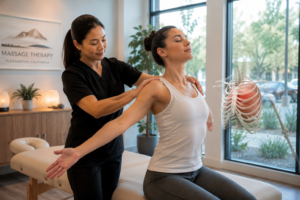
When you think of pain relief or improved mobility, muscles and joints probably come to mind. But there’s another key player working silently beneath the surface: your fascia. This web of connective tissue wraps around muscles, bones, and organs like a 3D spiderweb, providing support, structure, and movement.
When your fascia is healthy, you move with ease. When it’s tight or damaged, pain and stiffness follow. Enter myofascial massage, a powerful therapeutic technique designed to release restrictions in your fascia and restore balance to your body.
In this blog, we’ll explore why your fascia matters more than you think, and how myofascial massage can transform your physical wellbeing.
What Is Fascia? Understanding the Connective Tissue Network
Fascia is a continuous sheath of connective tissue that surrounds and penetrates every muscle, bone, nerve, and organ in the body. It creates a seamless system of structure and communication.
Fascia is:
- Elastic and adaptable, helping your body respond to movement and stress
- Hydrated and dynamic, when healthy
- Capable of transmitting force and tension across body parts
When fascia becomes restricted from injury, poor posture, inflammation, or stress, it can cause pain, limit movement, and disrupt biomechanics.
The Link Between Fascia, Mobility, and Chronic Pain
You might stretch or exercise regularly and still feel tight or limited in motion. The culprit? Stuck fascia.
Restricted fascia can:
- Bind down around muscles, limiting flexibility
- Compress nerves, causing radiating pain
- Pull joints out of alignment
Over time, this can lead to chronic conditions such as:
- Plantar fasciitis
- Frozen shoulder
- Low back pain
- TMJ dysfunction
- Neck and shoulder stiffness
Myofascial massage specifically targets these adhesions and releases tension at the root.
What Is Myofascial Massage?
Myofascial massage (or myofascial release therapy) is a hands-on technique that applies gentle, sustained pressure into the fascia to eliminate restrictions and restore motion.
Unlike typical massages focused on muscles, myofascial massage:
- Works slowly to allow fascia to soften
- Uses little to no lotion to avoid sliding over the tissue
- Feels like a deep stretch or mild pressure that “melts” tension
It’s a powerful yet subtle therapy that often provides relief where other approaches fall short.
How Myofascial Massage Works
Fascia responds to gentle, sustained pressure held for 2–5 minutes at a time. This:
- Warms up the tissue
- Activates cellular hydration
- Releases restrictions
Therapists may use their hands, knuckles, forearms, or tools to follow lines of tension. Sessions often start superficially and progress to deeper areas as the fascia opens up.
Key Benefits of Myofascial Massage
Improved Mobility
When fascia is free, your range of motion increases dramatically. Movements feel smoother, lighter, and more fluid.
Pain Relief
By easing compression on nerves and muscles, myofascial massage can relieve:
- Headaches
- Neck and shoulder pain
- Sciatica
- Chronic muscular tightness
Enhanced Circulation
Releasing fascial restrictions improves blood and lymphatic flow, which accelerates healing and detoxification.
Nervous System Regulation
The slow, intentional pressure calms the nervous system, reduces stress hormones, and helps bring the body into a parasympathetic (rest-and-digest) state.
Fascia and the Modern Lifestyle: Why Tech Neck, Stress, and Sedentary Habits Are Worsening Your Pain
Long hours at a desk, scrolling on phones, and stress-related tension all wreak havoc on your fascia. The result? Patterns of restriction that cause pain in seemingly unrelated areas.
For example:
- Tech neck tightens fascia from your jaw to your mid-back
- Sitting all day binds fascia in the hips and thighs
- Chronic stress causes global fascial contraction
Myofascial massage addresses these root causes, not just the symptoms.
Myofascial Massage vs. Deep Tissue: What’s the Difference?
Many confuse myofascial massage with deep tissue massage. Here’s the key difference:
| Feature | Myofascial Massage | Deep Tissue Massage |
|---|---|---|
| Focus | Fascia | Muscle fibers |
| Pressure | Gentle, sustained | Firm, targeted |
| Technique | Stretching, holding | Kneading, stroking |
| Lubrication | Minimal | Oils or lotions |
| Sensation | Slow tension release | Deep pressure pain |
Both are effective but serve different purposes. Myofascial massage is ideal when pain is persistent or not relieved by traditional massage.
Who Can Benefit from Myofascial Massage?
Myofascial massage helps a wide range of people, including those with:
- Chronic pain syndromes (fibromyalgia, myofascial pain syndrome)
- Postural imbalances
- Sports injuries or overuse
- Stress and anxiety
- Limited mobility or stiffness
It’s also effective for:
- Pre/post-surgery recovery
- Pregnancy support
- TMJ and jaw pain
What to Expect During a Session
Sessions typically involve:
- Assessment: The therapist identifies fascial restrictions and postural patterns
- Hands-on work: Gentle, static pressure is applied along fascial lines
- Client participation: You may be asked to breathe deeply or move lightly to assist the release
It’s common to feel both physical and emotional release during or after treatment.
How Often Should You Get Myofascial Massage?
It depends on your goals and condition:
- Acute issues: 1–2 times per week initially
- Chronic pain: Weekly or bi-weekly sessions
- Maintenance: Monthly visits to support alignment and prevent issues
Like any wellness practice, consistency is key.
Complementary Therapies and Lifestyle Support
To maximize the benefits of myofascial massage, consider combining it with:
- Stretching and mobility exercises
- Foam rolling or self-myofascial release
- Chiropractic care or acupuncture
- Hydration and anti-inflammatory diet
Mind-body practices like yoga and meditation also help regulate the nervous system and keep fascia supple.
The Science Behind Fascia: What Research Tells Us
Fascia has only recently become a serious focus of medical and scientific research. Once dismissed as “packing material,” fascia is now recognized as a complex communication system filled with mechanoreceptors, proprioceptors, and interstitial fluid that supports the immune and nervous systems. Research reveals its role in pain signaling, posture, and even cellular repair.
Fascia’s viscoelastic properties allow it to change shape in response to sustained tension, and myofascial massage leverages this feature to reset postural patterns. Advanced imaging now shows fascial adhesions where traditional diagnostics see nothing, explaining “mystery pain” that previously went untreated.
Emotional Trauma and Fascia: The Mind-Body Connection
Emotions are not just in the mind, they’re also stored in the body, especially in the fascia. Clients often experience emotional releases during myofascial sessions, such as sudden crying or memories surfacing. This is due to the fascia’s neurological and energetic role in holding unresolved stress and trauma.
Myofascial massage offers a gentle path to healing by physically releasing stored tension. When fascial restrictions ease, the nervous system resets, and emotional clarity often follows. This is particularly helpful for clients dealing with anxiety, PTSD, or long-term stress.
Self-Myofascial Release: Tools and Techniques You Can Use at Home
Not every fascial issue needs a therapist. With tools like foam rollers, massage balls, and even yoga blocks, you can perform effective self-myofascial release (SMR) at home.
Key techniques include:
- Foam rolling quads, IT band, and thoracic spine
- Using a lacrosse ball on glutes, hamstrings, and feet
- Gentle sustained pressure instead of rapid movements
SMR is most effective when done slowly and with intentional breathing. It helps extend the benefits of professional massage between visits.
Fascia and Athletic Performance: Why Pro Athletes Love Myofascial Work
Top athletes from Olympic swimmers to NFL players rely on myofascial therapy to stay competitive. Why? Healthy fascia improves:
- Agility and range of motion
- Injury prevention and recovery
- Energy efficiency during movement
Tight fascia slows down reflexes and power output. By keeping it supple, athletes gain a performance edge and reduce time on the injured list.
Myofascial Massage for Seniors: Aging Gracefully and Pain-Free
As we age, our fascia becomes less elastic and more prone to adhesions. This contributes to stiffness, pain, and even fall risk. Myofascial massage helps:
- Improve joint mobility
- Reduce pain from arthritis or past injuries
- Enhance balance and coordination
It’s a safe, drug-free way to maintain independence and comfort into your golden years.
Fascia and Hormonal Health: A Surprising Connection
Fascia is rich in hormone receptors and directly affected by fluctuations in estrogen, cortisol, and thyroid hormones. During menopause, for example, fascial stiffness often increases.
Myofascial massage helps regulate hormone levels by reducing systemic inflammation, promoting lymphatic flow, and improving nervous system balance.
Pediatric Myofascial Therapy: Helping Kids with Mobility and Growth
Children can benefit from myofascial therapy too, especially those with developmental delays, growing pains, or orthopedic conditions. Gentle techniques adapted for young bodies can:
- Improve motor skills
- Ease discomfort from growth spurts
- Support neurological development
It’s non-invasive, comforting, and often fun for kids when approached creatively.
Myofascial Release After Surgery: Enhancing Recovery and Reducing Scar Tissue
Surgery often leads to scar tissue and fascial binding that limits mobility. Myofascial massage:
- Softens adhesions
- Reduces swelling
- Restores motion
Ideal for C-section recovery, joint replacements, or abdominal surgeries, it speeds healing and prevents long-term stiffness.
Fascia and Autoimmune Disorders: Can Massage Help?
Autoimmune conditions like lupus and rheumatoid arthritis often come with pain, fatigue, and inflammation. While not a cure, myofascial massage can:
- Decrease pain sensitivity
- Improve circulation and lymph flow
- Support immune resilience
It also offers a sense of control and relief when chronic illness feels overwhelming.
Hydration and Fascia: Why Water Matters
Fascia is over 70% water. Dehydration leads to dry, sticky fascia that doesn’t glide. Staying hydrated is essential for:
- Elasticity and flexibility
- Preventing injuries
- Enhancing the effects of massage
Post-massage, drinking water helps flush out released toxins and supports tissue repair.
Workplace Wellness: Myofascial Massage for Desk-Bound Professionals
Office life creates fascial dysfunction, especially in the neck, shoulders, and hips. Myofascial massage combats desk-job damage by:
- Releasing tech-neck tension
- Opening compressed hip flexors
- Improving posture and energy
Corporate wellness programs are increasingly incorporating fascial therapy for staff health and productivity.
Fascia Care as Preventive Medicine: Staying Ahead of Pain
Why wait until you’re hurting? Myofascial therapy prevents problems before they start by maintaining optimal tissue health. Benefits include:
- Early detection of tension patterns
- Avoidance of repetitive strain injuries
- A proactive approach to aging
Prevention costs less (and hurts less) than treatment.
Choosing the Right Therapist: Credentials, Questions, and Red Flags
Not all massage therapists are trained in myofascial release. When searching:
- Look for certifications in myofascial therapy
- Ask about their approach and experience
- Avoid anyone who rushes or skips assessments
A good therapist will educate you and tailor each session to your unique needs.
Fascia-Friendly Fitness: Movement Routines That Support Release
Some exercise styles keep fascia healthy, while others create more binding. Fascia-loving movements include:
- Yin yoga
- Pilates
- Functional mobility drills
- Dynamic stretching
Avoid high-intensity repetition without recovery time. Balance is key.
Seasonal Fascia Tips: How Weather Affects Connective Tissue
Cold temperatures stiffen fascia. In winter, warm up slowly and hydrate more. Summer invites more pliability, but beware of overheating.
Seasonal routines help:
- Prevent injuries
- Optimize flexibility
- Align your body with nature’s rhythms
Travel and Fascia: Staying Loose on the Go
Long flights, road trips, and hotel beds wreak havoc on fascia. Pack travel-sized tools and stretch every few hours. After arriving, a quick myofascial tune-up can:
- Reduce jet lag
- Ease body aches
- Restore alignment
Building a Fascia-Centered Wellness Plan
Incorporate fascia care into your weekly routine with:
- Professional massage sessions
- Home rolling and stretching
- Mindful movement practices
- Nutritional support
Your body will reward you with energy, ease, and resilience for life.
Final Thoughts: Making Fascia Health Part of Your Wellness Routine
Your fascia isn’t just structural, it’s deeply connected to how you move, feel, and heal. Ignoring it can lead to chronic pain, limited mobility, and stress-related symptoms.
By integrating myofascial massage into your wellness routine, you’re not just treating symptoms but you’re addressing the root cause of imbalance and unlocking your body’s natural ability to move freely and live pain-free.
Whether you’re an athlete, desk worker, parent, or active senior, taking care of your fascia is a game-changer. It’s time to give this silent system the attention it deserves.
FAQs
What is myofascial massage and how does it work?
Myofascial massage uses gentle, sustained pressure to release restrictions in the fascia—connective tissue that surrounds muscles—helping improve mobility and reduce chronic pain.
How do I know if my fascia is tight or restricted?
Signs include chronic stiffness, limited range of motion, unexplained aches, and pain that persists despite stretching or exercise.
Is myofascial massage painful?
It’s typically not painful. Most clients feel a deep stretch or gentle tension that melts as the fascia releases. Some areas may be sensitive, but discomfort is minimal.
How is myofascial massage different from deep tissue massage?
Myofascial massage focuses on fascia with slow, non-gliding pressure, while deep tissue targets muscle fibers using firm strokes and oils.
Can myofascial massage help with tech neck or posture issues?
Yes. It addresses the fascial restrictions caused by poor posture, screen use, and stress, especially in the neck, shoulders, and upper back.