Your nervous system is your body’s command center. It controls everything, from your heartbeat and breathing to how you respond to stress, danger, and even emotions.
At the core of this system are two primary states:
- Fight-or-flight (sympathetic nervous system)
- Rest-and-digest (parasympathetic nervous system)
In a healthy body, these systems work in harmony. You respond to stress when needed, then return to a calm, balanced state.
But in today’s fast-paced world, many people get stuck in chronic fight-or-flight mode and that’s where problems begin.
Understanding Fight-or-Flight vs Rest-and-Digest
The fight-or-flight response is designed to protect you. When your brain senses danger, your body releases stress hormones like cortisol and adrenaline.
This causes:
- Increased heart rate
- Rapid breathing
- Muscle tension
- Heightened alertness
While helpful in emergencies, this state becomes harmful when it’s constantly activated, like during work stress, emotional strain, or lack of sleep.
On the other hand, the rest-and-digest system promotes:
- Relaxation
- Healing
- Digestion
- Hormonal balance
The goal of nervous system regulation is simple:
Spend less time in survival mode and more time in recovery mode.
Signs Your Nervous System Is Out of Balance
Many people don’t realize their nervous system is dysregulated because the symptoms feel “normal.”
Common signs include:
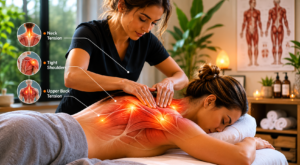
- Chronic muscle tension (especially neck, shoulders, jaw)
- Anxiety or constant worry
- Fatigue despite adequate sleep
- Digestive issues
- Frequent headaches
- Difficulty relaxing or “shutting off”
- Poor sleep quality
- Burnout or emotional exhaustion
If you recognize several of these, your body may be stuck in a prolonged stress response.
How Massage Therapy Regulates the Nervous System
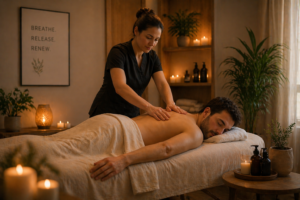
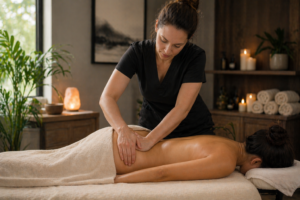
Massage therapy is one of the most effective, natural ways to shift your body out of fight-or-flight mode.
Here’s how it works:
1. Activates the Parasympathetic Nervous System
Massage stimulates pressure receptors in the skin, which send signals to the brain to activate relaxation pathways.
2. Reduces Cortisol Levels
Studies show that massage therapy significantly lowers cortisol which is the body’s primary stress hormone.
3. Increases Feel-Good Neurochemicals
Massage boosts:
- Serotonin (mood regulation)
- Dopamine (pleasure and motivation)
- Oxytocin (connection and trust)
4. Relieves Physical Tension
Tight muscles send stress signals to the brain. Releasing them helps break the stress loop.
The Role of the Vagus Nerve in Healing
The vagus nerve is one of the most important components of your parasympathetic nervous system.
It connects your brain to key organs like the heart, lungs, and digestive system.
When stimulated, it:
- Slows heart rate
- Enhances digestion
- Promotes calmness
- Reduces inflammation
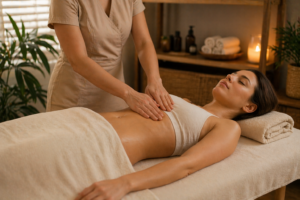
Massage, especially around the neck, shoulders, and abdomen, can indirectly stimulate the vagus nerve, encouraging a deep state of relaxation and healing.
Cortisol, Stress, and the Body’s Response to Touch
Chronic stress keeps cortisol levels elevated, which can lead to:
- Weakened immune function
- Weight gain
- Sleep disturbances
- Hormonal imbalances
Therapeutic touch interrupts this cycle.
When your body experiences safe, intentional touch:
- The brain perceives safety
- Cortisol drops
- The body shifts into repair mode
This is why even a single massage session can leave you feeling calmer, clearer, and more grounded.
Types of Massage That Support Nervous System Regulation
Different massage techniques offer unique benefits for calming the nervous system:
Swedish Massage
Gentle, flowing strokes that promote relaxation and circulation.
Myofascial Release
Targets connective tissue to release deep-seated tension.
Craniosacral Therapy
Subtle, light-touch therapy that directly influences the nervous system.
Lymphatic Drainage Massage
Encourages detoxification and reduces inflammation.
Neuromuscular Therapy
Addresses trigger points that may keep the body in a stress response.
Each of these approaches can be tailored to your specific needs and stress patterns.
Benefits of Nervous System-Focused Massage
When done consistently, massage therapy can lead to:
- Reduced anxiety and stress
- Improved sleep quality
- Enhanced emotional resilience
- Better digestion
- Reduced chronic pain
- Improved focus and clarity
- Increased energy levels
Over time, your body learns how to return to a regulated state more easily.
How Often Should You Get a Massage for Regulation?
Frequency depends on your current stress level and health goals.
General guidelines:
- High stress or burnout: 1x per week
- Moderate stress: Every 2 weeks
- Maintenance: Once per month
Consistency is key. Nervous system regulation is not a one-time fix, it’s a process.
Integrating Massage Into a Holistic Wellness Routine
Massage works best when combined with other supportive habits:
- Deep breathing exercises
- Mindfulness or meditation
- Regular movement or yoga
- Proper sleep hygiene
- Balanced nutrition
Think of massage as a reset button, one that helps your body respond better to all other wellness practices.
Why Consistency Matters for Long-Term Healing
One massage can help you feel better.
But consistent sessions help retrain your nervous system.
Over time:
- Your baseline stress level decreases
- Your recovery time improves
- Your body becomes more resilient
This is where true healing happens and not just relief, but transformation.
The Gut-Brain Axis: Why Nervous System Regulation Impacts Digestion
Your nervous system doesn’t just control stress, it directly influences your digestive system.
When you’re stuck in fight-or-flight:
- Blood flow is diverted away from digestion
- Enzyme production decreases
- Gut motility slows or becomes irregular
This is why stress often leads to:
- Bloating
- Constipation or diarrhea
- Acid reflux
- Irritable bowel symptoms
Massage therapy helps restore the parasympathetic state, which is essential for proper digestion. Abdominal massage techniques, in particular, can stimulate digestive organs and improve gut function.
How Chronic Stress Rewires the Brain and Body
When stress becomes chronic, it doesn’t just feel uncomfortable, it actually changes your brain.
Prolonged activation of the stress response can:
- Strengthen neural pathways associated with anxiety
- Reduce your ability to relax naturally
- Keep your body in a constant state of alertness
Massage therapy helps interrupt this cycle by introducing predictable, safe sensory input, which retrains the brain to recognize relaxation as a normal state again.
The Role of Breath in Enhancing Massage Benefits
Breathing and the nervous system are deeply connected.
Slow, controlled breathing:
- Activates the vagus nerve
- Lowers heart rate
- Enhances relaxation
When combined with massage, breathwork amplifies the effects.
Clients who consciously slow their breathing during sessions often experience:
- Deeper relaxation
- Faster tension release
- Longer-lasting results
Trauma and the Body: Why Touch Can Be Healing
Stress isn’t always just mental, it can be stored physically in the body.
This concept is widely recognized in somatic therapies, where unresolved stress or trauma manifests as:
- Chronic muscle tension
- Pain without clear injury
- Nervous system hypersensitivity
Massage provides a safe, controlled environment for the body to release stored tension.
Over time, this can help:
- Reduce physical symptoms of stress
- Improve emotional regulation
- Restore a sense of safety in the body
Sleep Disorders and Nervous System Dysregulation
If your nervous system is overactive, sleep becomes difficult.
Common patterns include:
- Trouble falling asleep
- Waking up frequently
- Feeling unrefreshed
Massage therapy helps by:
- Lowering cortisol at night
- Increasing serotonin (a precursor to melatonin)
- Promoting physical relaxation
This makes it easier for your body to transition into deep, restorative sleep.
The Connection Between Pain and the Nervous System
Pain isn’t always caused by injury, it’s often amplified by the nervous system.
When your body is in a constant stress state:
- Pain sensitivity increases
- Muscles remain tight
- Inflammation can rise
Massage helps “turn down the volume” on pain signals by calming the nervous system and releasing physical tension.
Digital Overload: How Modern Life Keeps You Stuck in Stress Mode
Constant notifications, screen time, and information overload keep your brain in a heightened state of alertness.
This leads to:
- Mental fatigue
- Eye strain and tension headaches
- Poor posture and muscle tightness
Massage acts as a counterbalance, a dedicated time where your body can fully disconnect and reset.
Hormonal Balance and Nervous System Health
Your nervous system and endocrine system work closely together.
Chronic stress disrupts hormones like:
- Cortisol
- Estrogen
- Progesterone
- Thyroid hormones
Massage supports hormonal balance by reducing stress signals and promoting overall physiological stability.
The Emotional Benefits of Regular Massage Therapy
Massage doesn’t just affect the body, it has profound emotional benefits.
Clients often report:
- Feeling more grounded
- Improved mood
- Greater emotional clarity
This is partly due to increased oxytocin, often called the “bonding hormone,” which promotes feelings of safety and connection.
Creating a Personalized Nervous System Reset Plan
The most effective approach to nervous system regulation is personalized care.
A well-rounded plan may include:
- Regular massage sessions
- Breathwork practices
- Movement (yoga, walking)
- Stress management techniques
Massage becomes the anchor of this routine, a consistent way to bring the body back into balance.
Final Thoughts on Restoring Balance Through Touch
In a world that constantly pushes you into overdrive, learning how to regulate your nervous system is one of the most powerful things you can do for your health.
Massage therapy offers a natural, effective, and deeply restorative way to shift out of stress and into healing.
It’s not just about relaxation, it’s about rewiring how your body responds to life. So, book a massage with Narayan Wellness now.
FAQs
How does massage therapy regulate the nervous system?
Massage activates the parasympathetic nervous system, lowers cortisol, and promotes relaxation and healing.
Can massage help with anxiety and panic attacks?
Yes, massage reduces stress hormones and promotes calming neurotransmitters, helping manage anxiety symptoms.
What type of massage is best for stress relief?
Swedish massage, craniosacral therapy, and myofascial release are especially effective.
How quickly does massage affect the nervous system?
Many people feel immediate relaxation after one session, but long-term regulation requires consistency.
Is massage good for burnout?
Absolutely. Massage helps reset the nervous system, improve sleep, and restore energy levels.